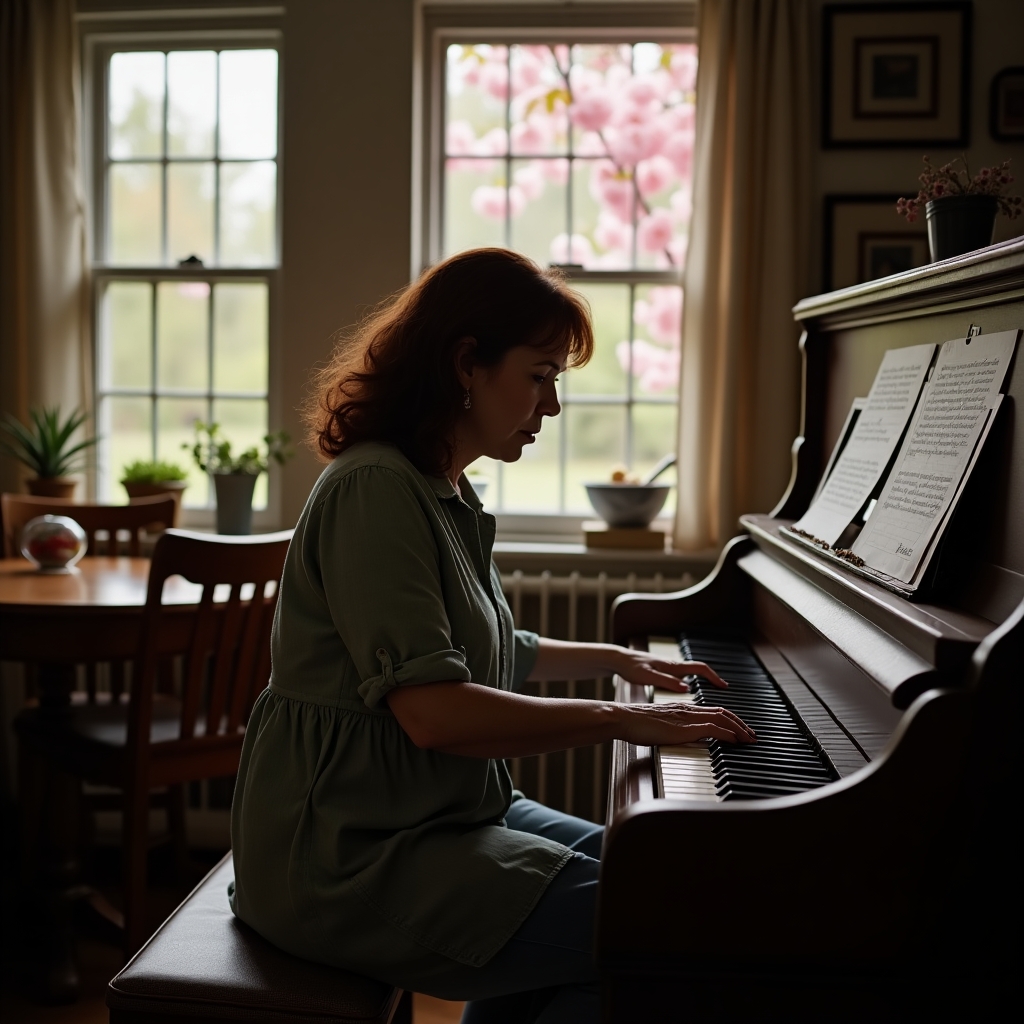
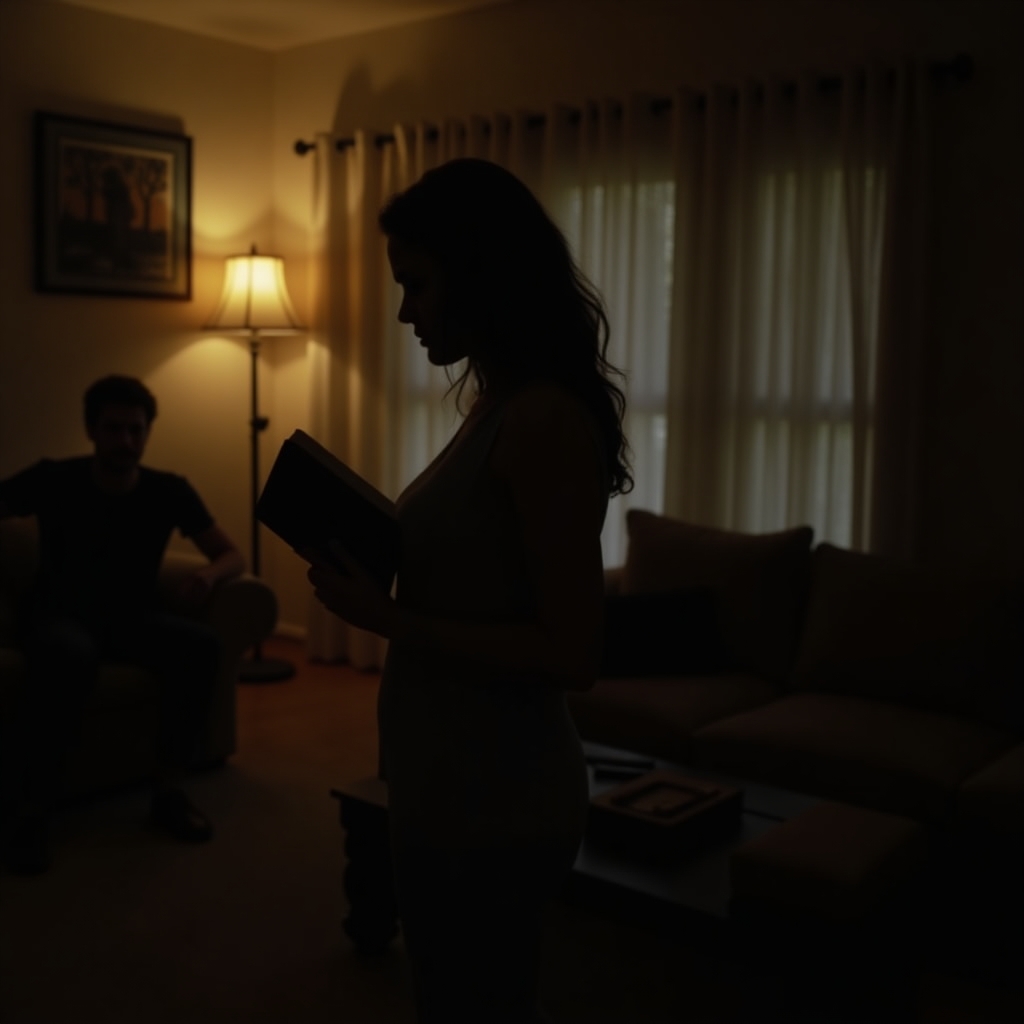




It was one of those gray mornings in early November when everything felt muted, the world wrapped in a thick fog that seemed to mirror the state of Lyla’s life. She stood by the kitchen window, watching the dew settle on the leaves of the old maple tree in the backyard, its branches swaying gently in the breeze. The faint aroma of coffee lingered in the air, mingling with the sound of eggs sizzling in the pan. Her husband, David, was sitting at the dining table, buried in the morning news, as usual.
Lyla poured herself a cup of coffee, the warm mug grounding her. She had been feeling like a ghost in her own home, invisible and unheard, her needs and desires always taking a backseat to others’. For years, she had brushed aside her own feelings, accommodating her family’s every whim, sacrificing her dreams for the sake of peace.
“Did you pick up the dry cleaning?” David asked without looking up from the paper.
“I didn’t have time yesterday,” Lyla replied, her voice barely above a whisper, a habitual response softened by years of treading lightly.
“You need to get more organized, Lyla. It’s not that hard,” he said with a hint of irritation, the words piercing through the silent agreement of their morning routine.
Lyla nodded silently, the familiar sting of inadequacy settling in her chest. She knew his words were meant to be constructive, but they always felt like tiny daggers, each one carving away at her sense of self-worth.
As she cleaned the kitchen, her mind drifted to a conversation she had overheard at the grocery store the other day. Two women, likely in their seventies, had been discussing the small pleasures they allowed themselves every day—an afternoon spent painting, a morning walk by the river, things that brought them joy without needing anyone else’s approval. Lyla realized she couldn’t remember the last time she had done something purely for herself.
The thought lingered as she went about her day, quietly planting seeds of change in the corners of her mind.
Later that afternoon, as she folded laundry and listened to the rhythmic hum of the dryer, she felt a shift within her, a whisper of rebellion against the routine that had bound her for so long. The realization was gradual, like a sunrise breaking through the fog, spreading warmth and clarity.
“Mom, can you drive me to practice?” Her son, Jake, called from the hallway.
“Sure,” she replied, folding the last of the clothes. Yet, even as she agreed, she felt the weight of obligation settle over her shoulders once more. But this time, it came with a question: Why couldn’t she carve out a slice of the day just for herself?
On the drive home from dropping Jake off, Lyla took a detour, her hands gripping the steering wheel as she drove towards the small lake just outside of town. She parked the car, took a deep breath, and stepped out into the crisp autumn air.
The lake was quiet, surrounded by trees whose leaves had turned brilliant shades of orange and red. Lyla walked along the water’s edge, the sound of gravel crunching under her feet echoing her quickening heart. She sat on a bench overlooking the water, the solitude wrapping around her like a comforting embrace.
For the first time in a long time, she allowed herself to feel. The years of emotional suppression bubbled up, a mix of grief for lost time and hope for the future. Tears slipped down her cheeks, a release that felt both foreign and liberating.
As the sun began to set, painting the sky with hues of pink and gold, Lyla realized something profound—she was in control of her life. The understanding unfolded within her, an internal shift that felt both monumental and quietly simple.
She returned home just as David was setting the table for dinner. “Where were you?” he asked, a touch of curiosity in his voice.
“I took some time for myself,” she replied, meeting his gaze with a newfound steadiness. She didn’t offer an apology or an explanation, just the truth.
David paused, surprise flickering in his eyes, but he said nothing more. The silence between them was different this time, filled not with tension but with the potential for understanding.
That evening, as Lyla lay in bed, she felt a sense of peace she hadn’t known for years. It wasn’t the grand gestures or dramatic changes that marked her reclaiming of autonomy but the quiet acceptance of her right to exist and be heard.
In the days that followed, she continued to make small choices that honored her needs. She signed up for a pottery class she had always wanted to try, reconnected with an old friend over coffee, and took solitary walks by the lake.
And though the path to true autonomy was a journey, not a destination, Lyla knew she was on her way, one small but powerful step at a time.