



The late afternoon sun cast a golden hue over the narrow streets of Little Harbor, gently illuminating the age-old brick buildings that had witnessed generations come and go. Inside one of these homes, Sophie sat quietly, enveloped in the familiar scent of brewed tea and her grandmother’s lavender sachets. The house was more than just walls; it was the embodiment of her family’s legacy, the echo of every joy and sorrow they had experienced together.
Sophie, at twenty-three, found herself at a crossroads, a common rite of passage yet deeply personal. Her family had never been overtly oppressive; their expectations were woven into the fabric of everyday life, subtly guiding her choices like the unseen hand that turns the pages of a cherished book. Growing up, she had admired their resilience, their love for tradition and each other, taking comfort in the predictability of family rituals, the unity they promised.
Now, however, the weight of these expectations pressed against her in ways she hadn’t anticipated. Her parents envisioned a future for her that was clear and straight, a path they had laid out with the best intentions: a stable career in law, a good marriage, children who would continue the family story. But the clarity they saw was, for Sophie, a fog through which she could barely see her own desires.
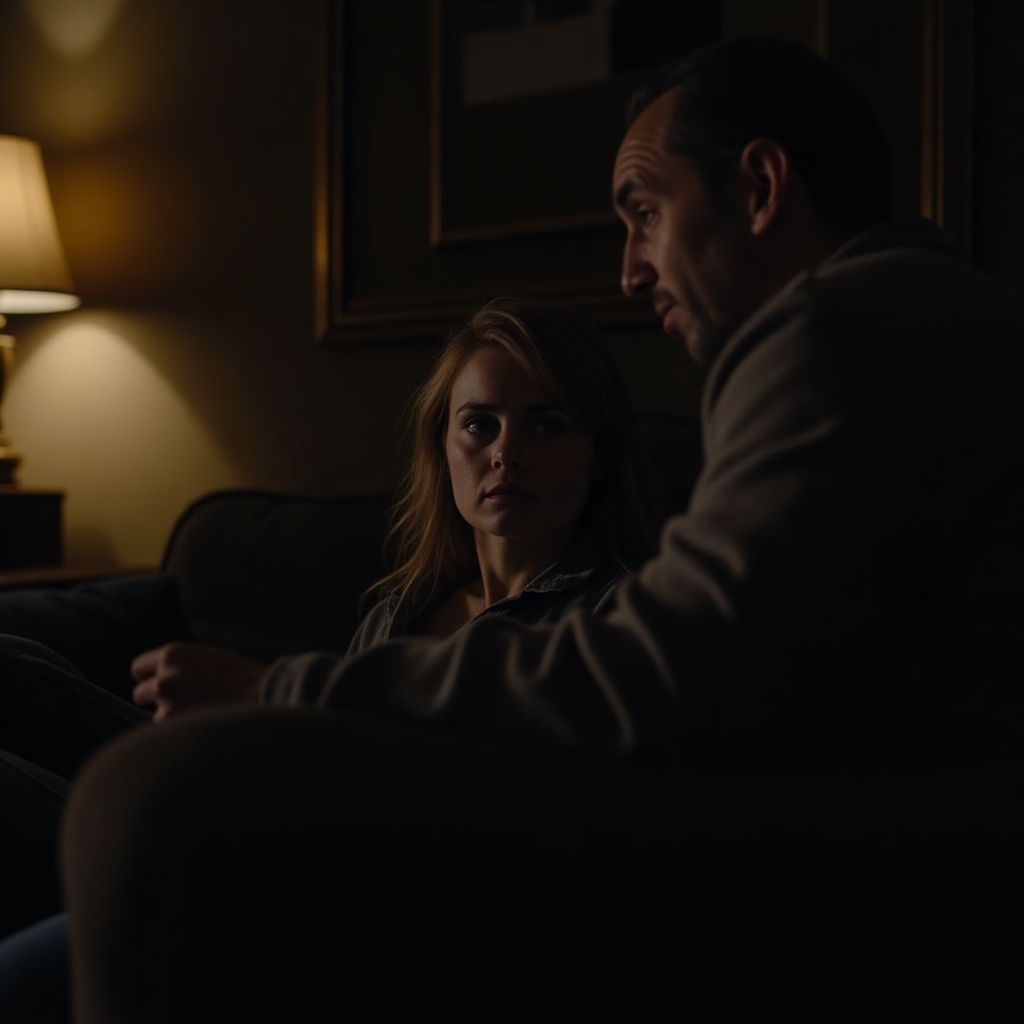
Each family dinner seemed more like a silent play, one where roles were assumed without question. Her father, with his quiet authority, and her mother, the gentle enforcer of unwritten rules, never needed to state their hopes for Sophie directly. They were there in their stories of triumphs and tribulations, in their unwavering dedication to the community and each other.
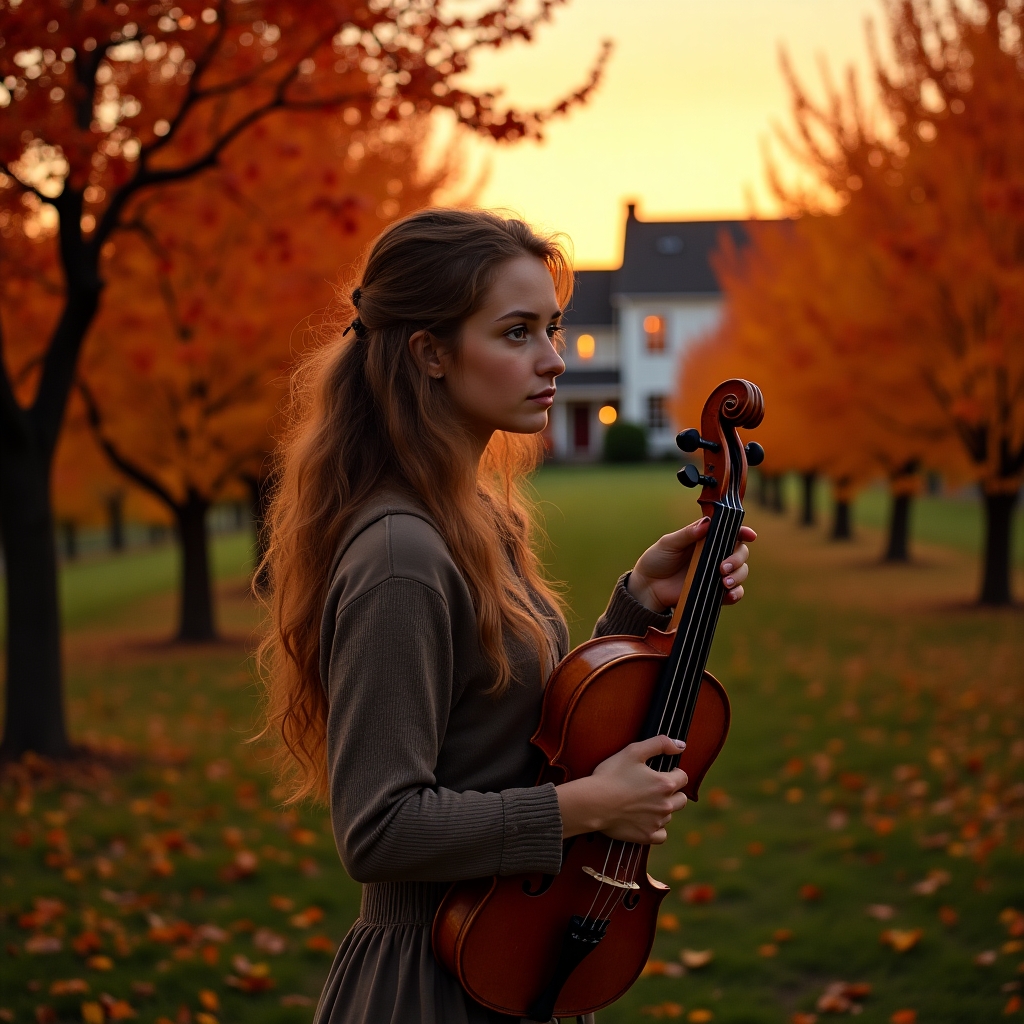
Sophie loved her parents, revered them even, but a part of her longed to explore paths less defined, less secure. She wanted to create art, to write stories, to travel without an itinerary. Yet, the thought of speaking these desires felt like an act of betrayal, a disruption to the delicate balance of family expectations. So, she carried this quiet turmoil within her, a storm beneath a calm exterior.
In the solitude of her room, surrounded by books and half-finished sketches, Sophie felt the tension more acutely. It was here that she allowed herself to dream fully, away from the eyes of her family. The colors she painted were vibrant and chaotic, much like the emotions she carefully kept hidden. Each brushstroke was both a rebellion and a confession, a dance between the life she knew and the life she wished to know.
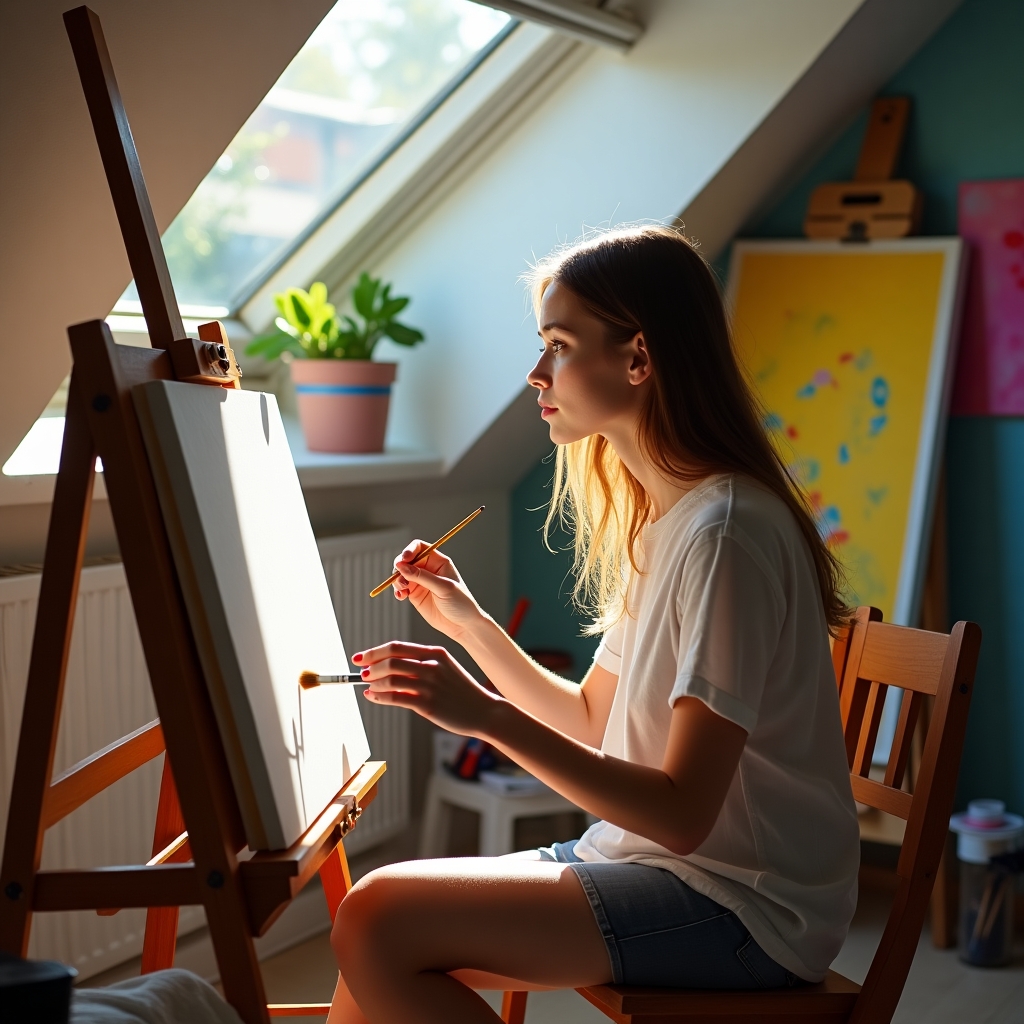
One evening, as the spring breeze whispered through the open window, Sophie found herself staring at a blank canvas. She held the brush loosely, feeling as though her creativity was a tenuous thread winding through her fingers, easily lost to the weight of her indecision.
In her heart, she knew that she couldn’t continue on the path so neatly laid out for her, not without losing a part of herself. But the fear of disappointing her family was a shadow that loomed large. In that moment of stillness, Sophie realized that she didn’t have to choose between love for her family and love for her own dreams; both could coexist, if she had the courage to bridge them.
The epiphany was subtle, like the first light of dawn, a quiet certainty that settled her heart. She placed the brush against the canvas, and with each stroke, she painted the story she had kept inside. It was a landscape of unknown horizons and gentle reminders of home, an intricate blend of chaos and peace.
As she worked, Sophie imagined the conversation she would have with her parents. She saw herself speaking with honesty, her voice steady yet respectful, explaining that their values and her dreams were not opposing forces but complementary parts of a greater whole. The realization brought tears to her eyes — tears not of sadness, but of relief and hope.
Sophie knew it wouldn’t be easy, that acceptance wouldn’t come immediately, but she was willing to try. For her, this was the beginning of a new chapter, one where her personal values and her family’s expectations could write a story together.
The following Sunday, Sophie gathered her courage and her resolve. As she sat with her family over dinner, she saw them not as obstacles but as allies, partners in a dialogue that had yet to begin. Taking a deep breath, she opened her heart to them, painting her words with the same passion and truth she had discovered within herself.
It was the start of an honest journey, one that promised no certainties but offered the hope of understanding and growth. Sophie realized that emotional courage was about more than standing out; it was about standing true, even when the path was uncertain.