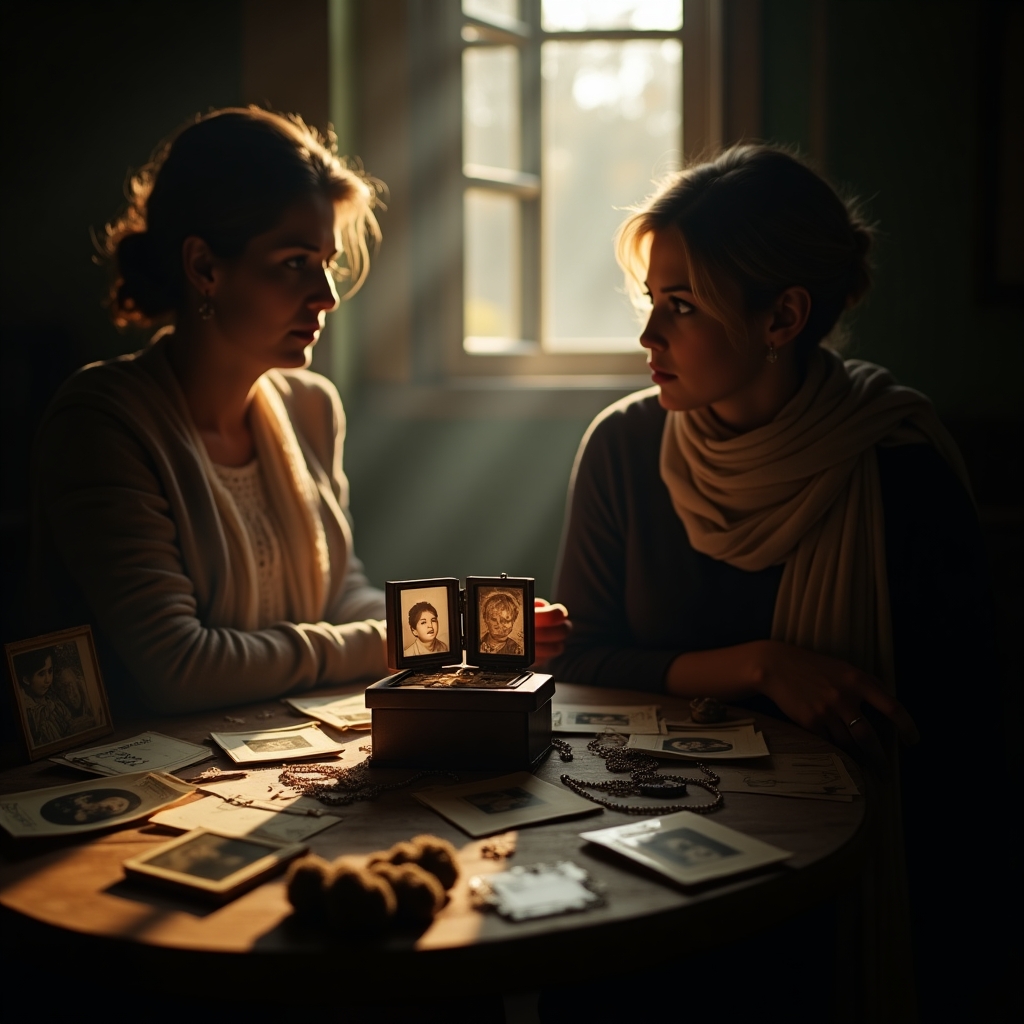




Claire sat on the edge of her bed, the soft, faded quilt beneath her fingers a gentle, worn reminder of countless summer afternoons at her grandmother’s house. Her childhood home. She had returned here, to this modest suburban enclave, after the dissolution of her marriage—a decision she had made more out of necessity than desire. Her parents had welcomed her back with open arms and unsolicited advice.
Once a place of refuge, the house now felt like a well-appointed prison. Each room, familiar yet stifling, bore witness to unspoken expectations that Claire had long since internalized. Her parents, kind but overbearing, filled every silence with reminders of how she should live her life, how she should move on.
“Claire, are you coming down?” Her mother’s voice floated up the stairs, its tone a blend of impatience and concern.
“In a minute, Mom!” Claire replied, her voice steady despite the tightness in her chest.
Downstairs, the aroma of freshly brewed coffee wafted through the air, mingling with the scent of buttered toast. Claire knew what awaited her—another breakfast of scrutiny disguised as love. Her parents meant well, but their care felt like a yoke around her neck, pulling her spirit down each time she tried to stand on her own.
Sitting at the kitchen table, Claire spooned cereal into her mouth, nodding absently as her father detailed yet another article he’d read about resilience. “You know, Claire,” he said between sips of his coffee, “resilience isn’t just about bouncing back; it’s about growing stronger through adversity.”
“I know, Dad,” Claire muttered, forcing a smile.
Her mother, ever the mediator, placed a gentle hand on Claire’s arm. “We just want the best for you, dear. It’s time to start thinking about your future, maybe even meet someone new.”
The words, though well-intentioned, grated against Claire’s burgeoning sense of self. She needed space to breathe, to rediscover who she was outside the shadow of her past and the expectations of her family. But expressing that felt impossible—too audacious for the Claire they knew.
That afternoon, Claire decided to visit the park where she used to play as a child. The air was crisp with early autumn; leaves crunched beneath her feet, their colors, a riot of gold and amber. She sat on an old wooden bench near the duck pond, watching as a family nearby laughed and tossed breadcrumbs into the water.
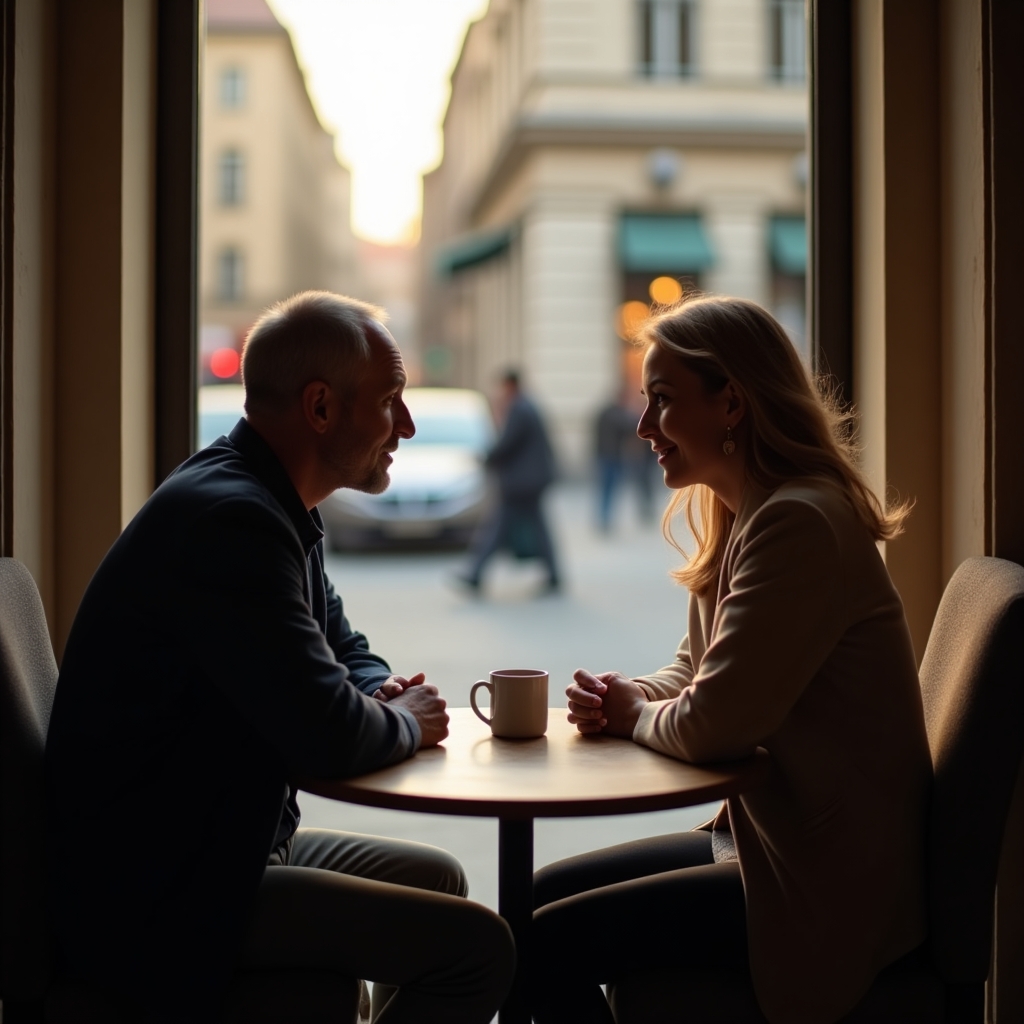
“You look lost in thought,” came a voice beside her. It was Julia, an old friend from high school who had remained in town.
“Just…thinking,” Claire replied, offering a small smile.
Julia sat down, her presence warm and grounding. “It’s hard, isn’t it? Being back here and feeling like you have to fit into their mold.”
Claire nodded, surprised by the sudden comfort of being understood. “I just want to be left alone to figure things out. But it’s like everything I do is under a microscope.”
Julia chuckled softly. “I get it. My parents still believe I should’ve been a doctor. But I chose teaching because it felt right for me, not them.”
Claire listened, her heart quieting in the company of someone who had navigated similar waters. “How did you tell them? That you needed to do your own thing?”
“Honestly? I just stopped asking for permission,” Julia said, looking at Claire with gentle certainty. “It didn’t happen all at once, but little by little. I decided that my life was worth living on my own terms.”
As the sun dipped lower in the sky, Claire walked back home with a sense of purpose she hadn’t felt in a long time. Julia’s words echoed like a mantra in her mind—I just stopped asking for permission.
That evening, Claire sat in her room, the light from her laptop casting a soft glow. Her parents’ voices filtered through the door, discussing tomorrow’s schedule. Claire opened her email and started drafting a message—an application for a job in a nearby city. It was a small act, but symbolized a deeper commitment to herself.
The following morning, as breakfast chatter began anew, Claire took a deep breath. “Mom, Dad,” she said, her voice clearer than she expected, “I’ve applied for a job in the city. I think I need to try living on my own for a while.”
Her parents exchanged glances, surprise etched across their faces. “Claire, are you sure? We just want you to be safe,” her father said.
“I am,” Claire replied. “And I need to do this for me.”
It was a simple declaration, but in that moment, the weight around her heart lightened. For the first time in years, Claire felt the stirrings of autonomy—a quiet, powerful liberation that whispered of possibilities.
She would take it step by step, but the first step was hers alone.