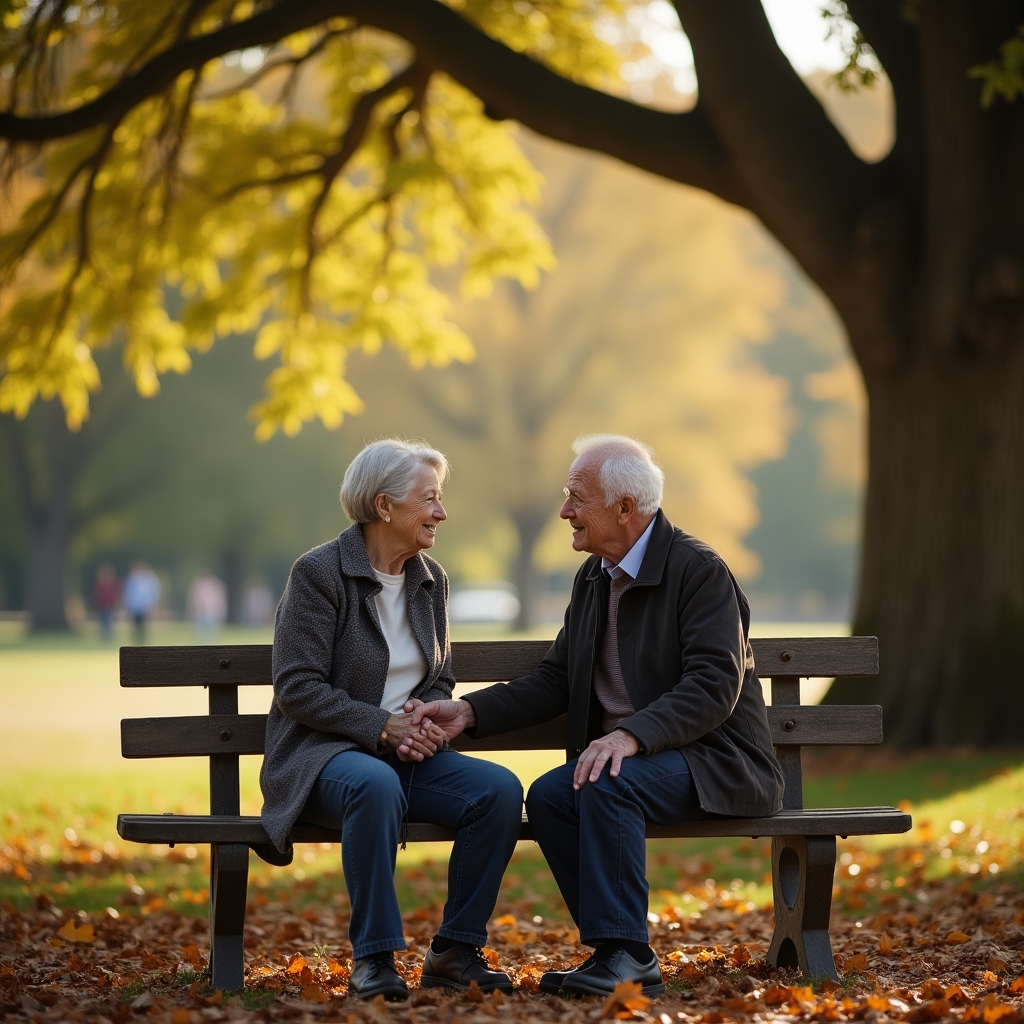
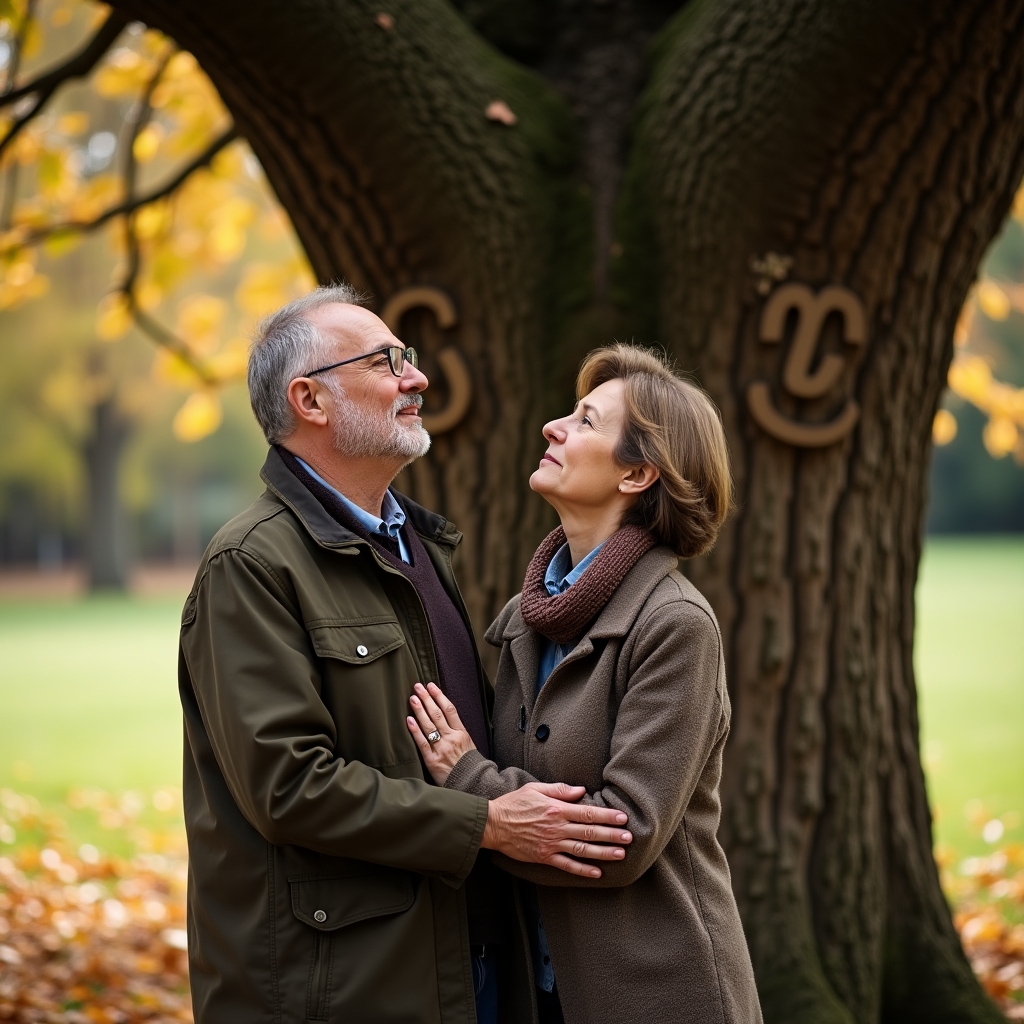


In the heart of an unassuming town, where autumn leaves painted the ground in a mix of amber and gold, lived a young adult named Lena. At 22, she occupied a unique space at the crossroads of her family’s rich Indian heritage and the Western ideals that surrounded her. The clash of these worlds was not loud but rather a persistent whisper that resonated within her, compelling her to choose a path that was true to herself.
Lena’s family had immigrated when she was a child, bringing with them the dreams and traditions of their homeland. Her parents, loving and well-meaning, carried expectations as if they were a precious family heirloom. They imagined a future for Lena that mirrored their own upbringing in an Indian household—values rooted in obedience, respect for elders, and a strong sense of communal belonging.
But as Lena navigated her life, these expectations felt like a garment that was ill-fitting, despite its beauty. Her heart was drawn to the arts—music and painting filled her with a joy that seemed absent in the science degree her parents had nudged her toward. In their eyes, a career in medicine or engineering would be a testament to success, a beacon of stability in an uncertain world.
The gentle tension between Lena’s aspirations and her family’s dreams simmered under the surface of their day-to-day interactions. It was present in the small silences that followed her mother’s questions about her studies, in the way her father’s smile would waver when discussing future plans. Lena felt it most vividly during family gatherings, where the achievements of cousins were celebrated in a way that reminded her of the looming path she was expected to walk.
Despite this, Lena loved her family deeply. She respected their sacrifices and wanted to honor them, but each day her inner restlessness grew. Her art began to reflect this conflict—a series of paintings that depicted figures half-emerged from shadows, caught between light and dark.
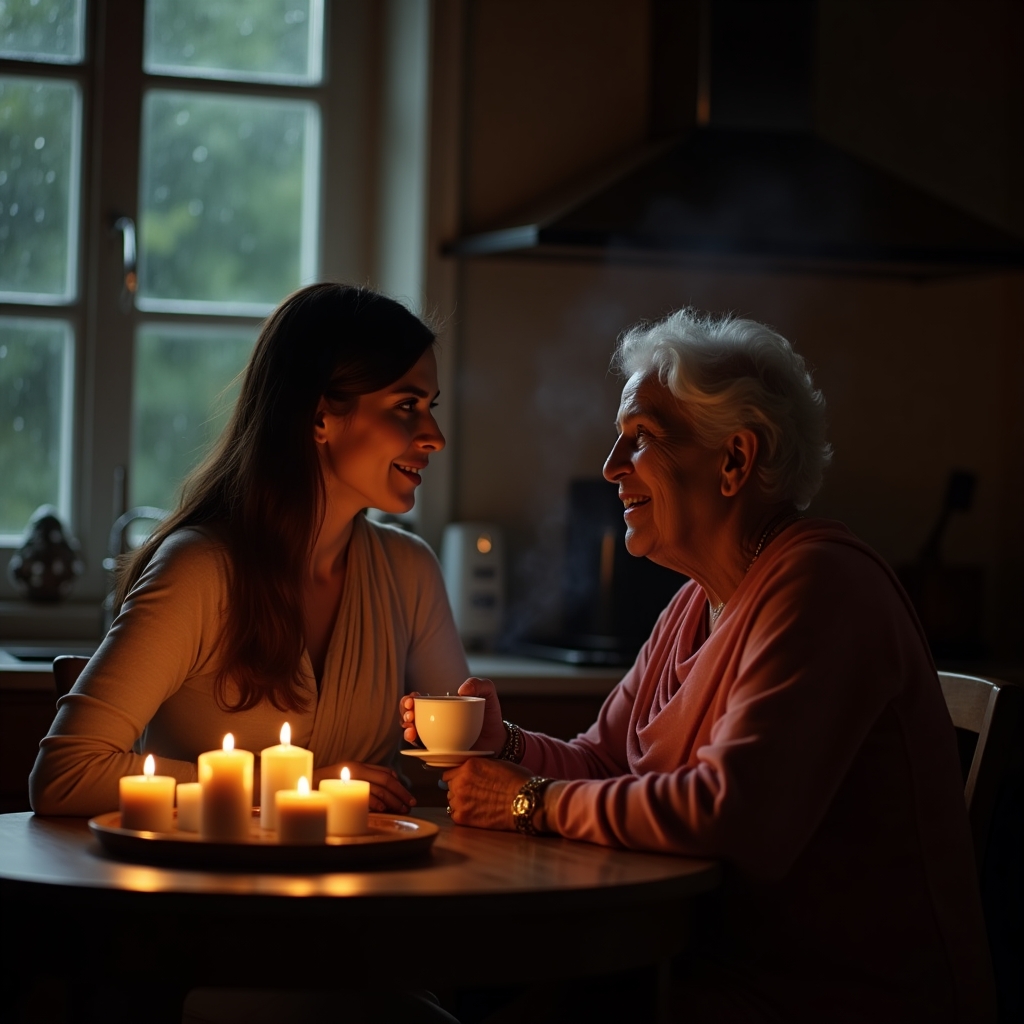
The breakthrough came not with a bang but with a quiet clarity, on a rainy afternoon in November. Lena had spent the morning with her grandmother, who had traveled from India to stay with them for a few weeks. Her grandmother was a figure of warmth and wisdom, her voice a soft reminder of home and history.
Over cups of steaming chai, they spoke of life in India, the stories of their ancestors, and how much the world had changed. There was something about the way her grandmother recounted these tales with such vivid imagery that stirred something within Lena. She realized that, in many ways, her grandmother had also bridged the gap between tradition and modernity, albeit in a different context.
“Beta,” her grandmother said, her eyes full of understanding, “the world outside is vast and ever-changing, but the heart knows its own song. Do not fear to let it sing.”
Those words hung in the air, their weight engulfing Lena in a profound stillness. It was in this moment that Lena saw her path clearly—not as a choice between two worlds, but as a journey that embraced both.
That evening, Lena sat with her parents at the dinner table, their usual routine of conversation about the day. But this time, she spoke with a new resolve. Her voice, though soft, carried the weight of her truth as she shared her dreams of pursuing art.
The reaction was not immediate acceptance, but neither was it outright dismissal. There was surprise, certainly, and a cautious curiosity. Her parents listened, really listened, as Lena described her passion and how she envisioned a future where she could honor both her heritage and her individuality.
The days that followed were not without discussion, but the atmosphere had shifted. There was a new understanding—a mutual willingness to learn from each other. Lena’s quiet courage had sparked a change, an openness that promised healing across generations.
In time, Lena would find her place, not in defiance of her family’s values, but in harmony with them, creating a bridge between the old and the new, tradition and innovation. In their own way, her parents began to see the beauty in her paintings, the potential in her dreams.
As the last leaves fell, Lena felt a peace that she hadn’t known before. Her journey was far from over, but she walked it now with a heart unburdened, guided by the melody of her own making.