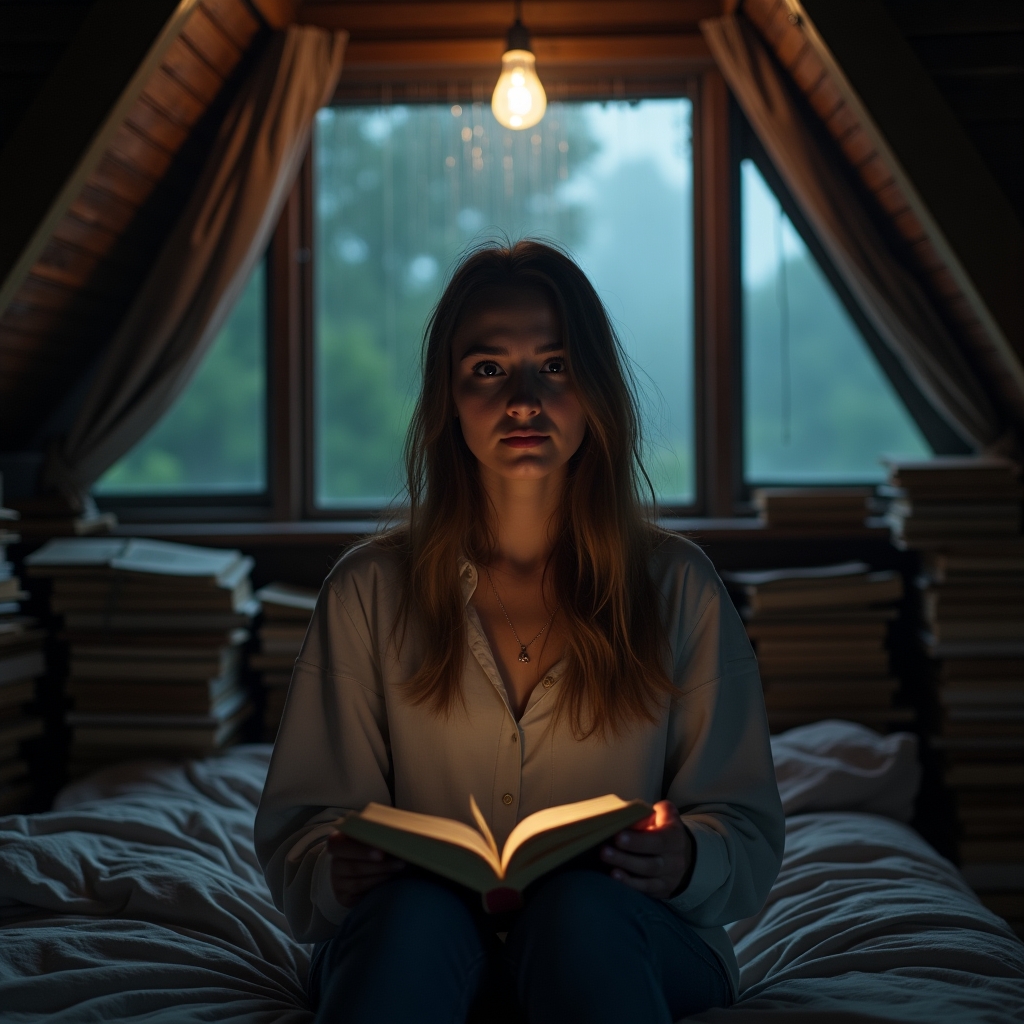

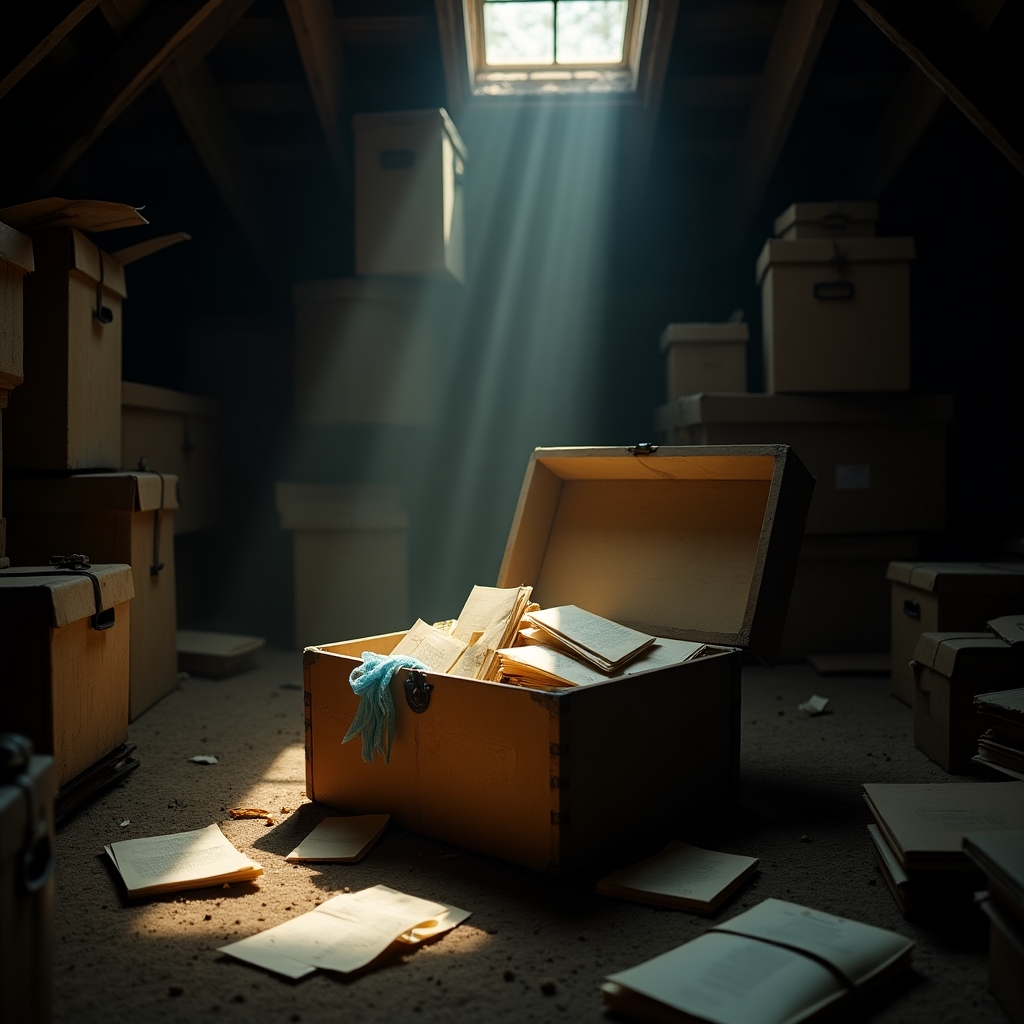
I spent all weekend organizing the attic, a task I had avoided for years, as if I knew it would unearth more than just dusty old boxes. Among the cartons of old clothes and forgotten holiday decorations was a small, wooden box I didn’t recognize. Its surface was worn, as if many hands had passed it between them over the years, yet I couldn’t recall ever seeing it. It was unassuming, but it beckoned me with an almost eerie familiarity.
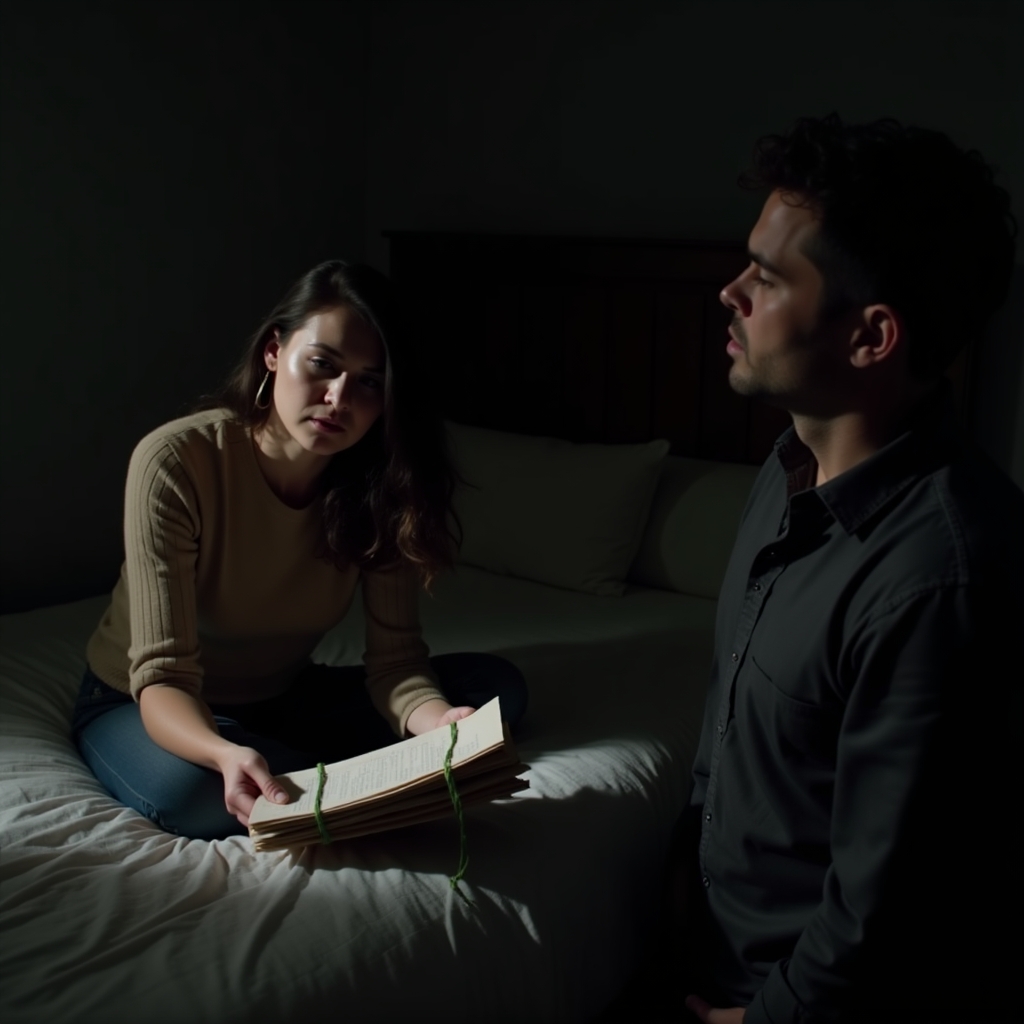
Inside, there were letters wrapped in a faded blue ribbon. They were addressed to my father from someone named Simon. Confused, I glanced at the heading of the one on top. The date was from decades ago. I had never heard my father mention anyone named Simon, yet here was a collection of letters spanning a period of nearly thirty years. My heart felt a pang of something—fear, curiosity, perhaps even betrayal.
I took the letters downstairs, sat in the quiet of the kitchen, and began to read. I don’t remember how long I sat there, but day turned to night as I made my way through them, one by one. The letters spoke of dreams shared, hopes for the future, and challenges faced. They painted a picture of a friendship—or was it more?—that had been a cornerstone in my father’s life, one that I had known nothing about.
The more I read, the more a feeling of loneliness overcame me, as if I were listening to a language I couldn’t understand. Each letter revealed a personal truth, something vital about my father that I had never grasped: his struggle with his identity, his love for a man society wouldn’t allow him to claim publicly, his need to conceal a significant part of who he was.
In a letter dated the year I was born, Simon wrote, ‘I wish the world were different, but I’m grateful for our moments, however fleeting. Your courage gives me courage.’ It hit me like a wave that my father had been fighting silently, carrying a hidden grief alongside the joy of raising a family.
I realized the burden he had borne alone, his loneliness hidden behind the facade of a conventional life. The realization was heavy yet illuminating. My chest felt tight with emotions I couldn’t quickly categorize: anger for what he had to hide, sadness for his lost love, but also a profound respect for his resilience.
Later that evening, as I sat by the window watching the rain paint patterns on the glass, I thought about how much I’ve misunderstood about him. I always believed that there was little we didn’t share, but the letters disclosed a vital truth—he had sacrificed deeply, and silently, so I could grow up in a world he hoped would be better.
Over the next few weeks, I found myself talking to him in my mind, imagining the conversations we could have had, the things I would have liked to ask him. I wished I could tell him it was okay to love who he loved. I wanted to thank him for showing me, however silently, the strength it takes to be true to oneself, even when the world stands against you.
The box now sits on my shelf, a testament to a hidden history, a reminder of the quiet strength that love can carry. From the letters, I learned about courage, but I also discovered a deeper understanding of my father—and myself. It was a step towards forgiving him for the secrets and forgiving myself for not seeing the signs.
Reading Simon’s last letter, written a few months before my father passed, I felt a sense of closure. It ended with, ‘In the end, love is the only thing that matters. Remember that.’ I folded the letter and placed it back in the box, feeling a kind of peace settle around me, as if my father’s voice had reached across time to speak to me.
The journey of discovery had transformed my understanding of him, but also of myself. I had come to realize how deeply love and identity are entwined and how silence can bury truths that are both painful and beautiful.
Now, when I talk about him, I embrace his whole story, not just the parts he chose to share. His love, once hidden and silent, echoes in our family history, a legacy of courage over fear, of truth over silence.