

Aiden sat on the edge of his bed, the moonlight streaming in through the half-open window, casting gentle shadows on the walls of his room. His room was something of a sanctuary, a small space adorned with pieces of his identity—a bookcase overflowing with novels, a well-worn guitar leaning against the wall, and a desk cluttered with sketches and watercolor paintings. But tonight, the space felt constricting, as if his emotions were too big to be contained within these four walls.
His thoughts were a tangled web of obligations, desires, and expectations. Growing up in a family where tradition held the highest esteem often left Aiden feeling like he was living in two worlds. His parents had immigrated to the small town when he was a child, carrying with them the cultural expectations of their homeland, a place of community, familial duty, and defined roles. Aiden loved his family deeply, but as he grew, he found himself increasingly drawn to the arts—a path seen as unreliable and self-indulgent by his kin.
Aiden’s father often spoke of the family’s lineage, the proud history of men who worked with their hands, who provided and protected. It was a narrative that left little room for deviation. Aiden’s mother, though softer in her approach, echoed the same sentiments with gentle reminders of stability and the importance of family unity. The weight of these expectations hung over Aiden like a shroud, a quiet pressure that seeped into his daily life, leaving him feeling like a spectator in his own narrative.
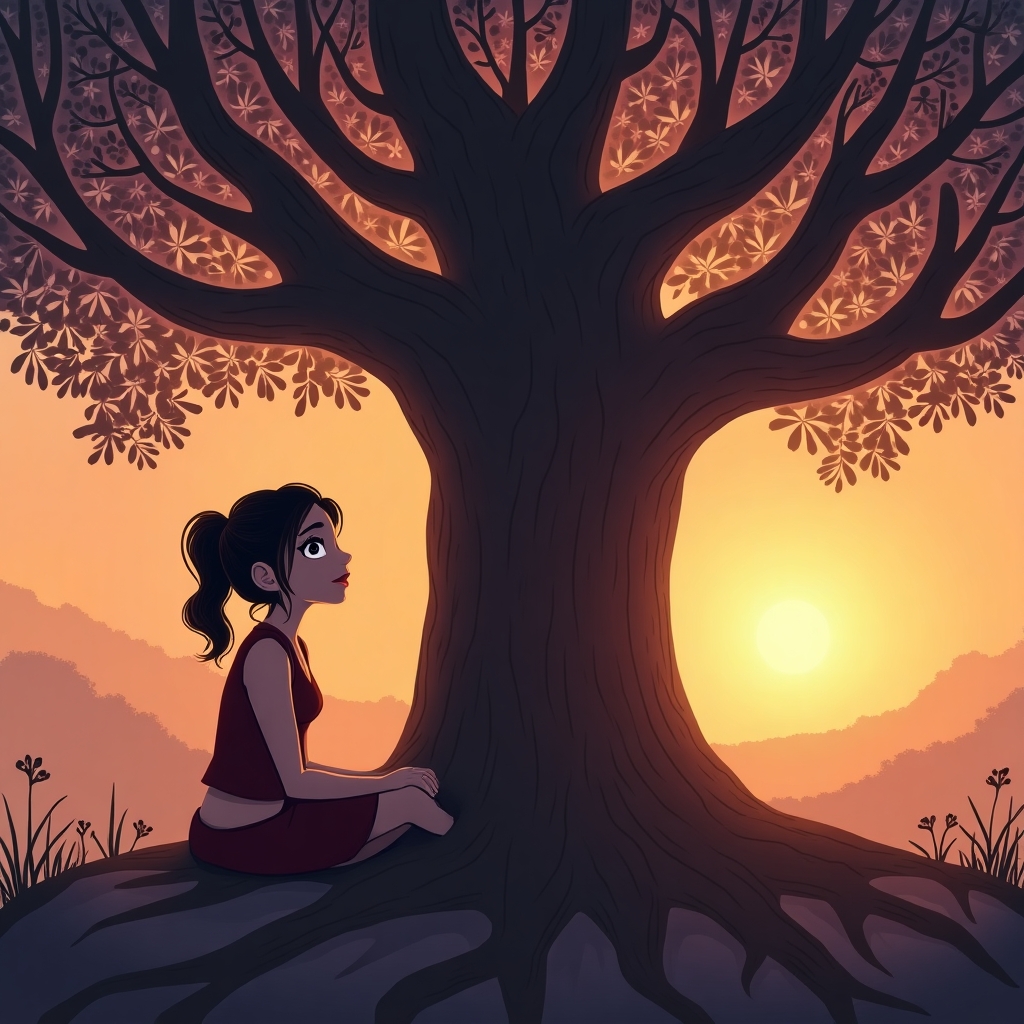
Yet, Aiden’s heart sang a different melody. In the quiet moments, when he painted or strummed his guitar, he felt alive—the colors and notes expressing the unspeakable, rendering the intangible into something beautiful. It was as if his soul was a river, yearning to carve its own path, yet continually redirected by the banks shaped by his family’s dreams for him.
The subtle tension stretched between Aiden’s yearning and his familial duty, pulling at him in every interaction, each conversation a reminder of the expectations he was expected to fulfill. The gentle tug of war played out in silence, in the unspoken words between him and his father during dinner, in the way his mother’s brow furrowed with concern when he spoke of an art exhibit he wished to visit.
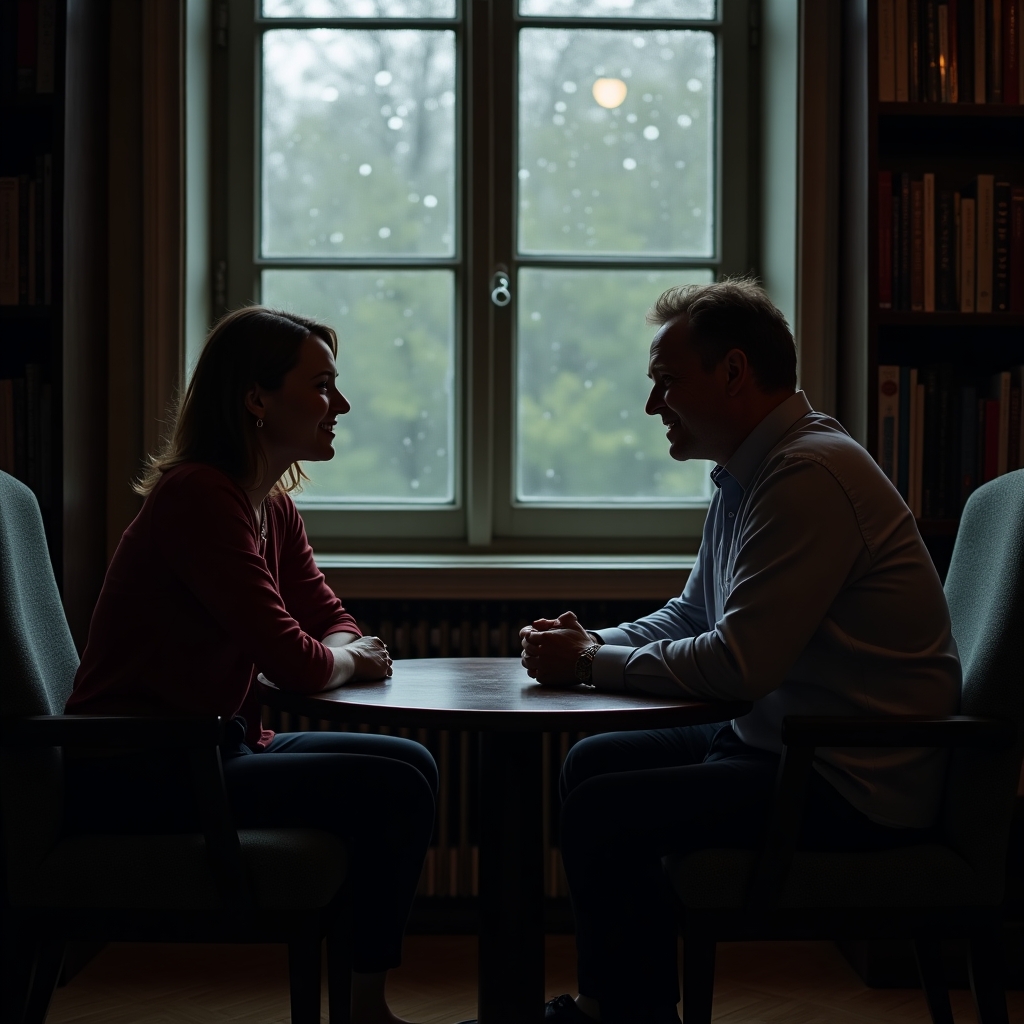
One particular evening, the tension came to a head, not with a confrontational clash, but with quiet realization. Aiden sat in the living room with his father, both engrossed in their own thoughts, the clock ticking softly in the background. His father spoke of the future, of plans that Aiden was expected to follow, each word building a wall that seemed to separate Aiden from his own aspirations.
It was then that Aiden understood the quiet power within himself. He realized he could honor the sacrifices and love of his family while also pursuing his truth. It wasn’t about choosing one over the other, but about finding a way to weave them together. The realization washed over him like a gentle wave, soothing his torn spirit and giving him a newfound strength.
In the days that followed, Aiden began to assert his truth, not with defiance, but with quiet resilience. He started small, sharing his art more openly with his family, inviting them to partake in his world rather than stand apart from it. His father, initially reluctant, began to show a cautious interest, asking questions about his paintings, about the stories behind his art.
It was a gradual process, this weaving together of identities, but as Aiden stood firm, the river of his soul found its course. The love for his family never wavered, but now it was joined by a love for his own dreams, creating a harmony that sang of both past and future.
As the days turned into months, Aiden’s home was no longer just a reminder of the weight of expectations but a testament to the strength found in truth. The generational pressure, though still present, was no longer an insurmountable barrier but a challenge to be negotiated with love and understanding.
Aiden learned that quiet resilience was its own form of emotional courage, a testament to the strength found in authenticity. In weaving his identity from the threads of both personal values and cultural expectations, he not only forged a path for himself but laid the groundwork for generational healing—a story written not in defiance, but in understanding and love.