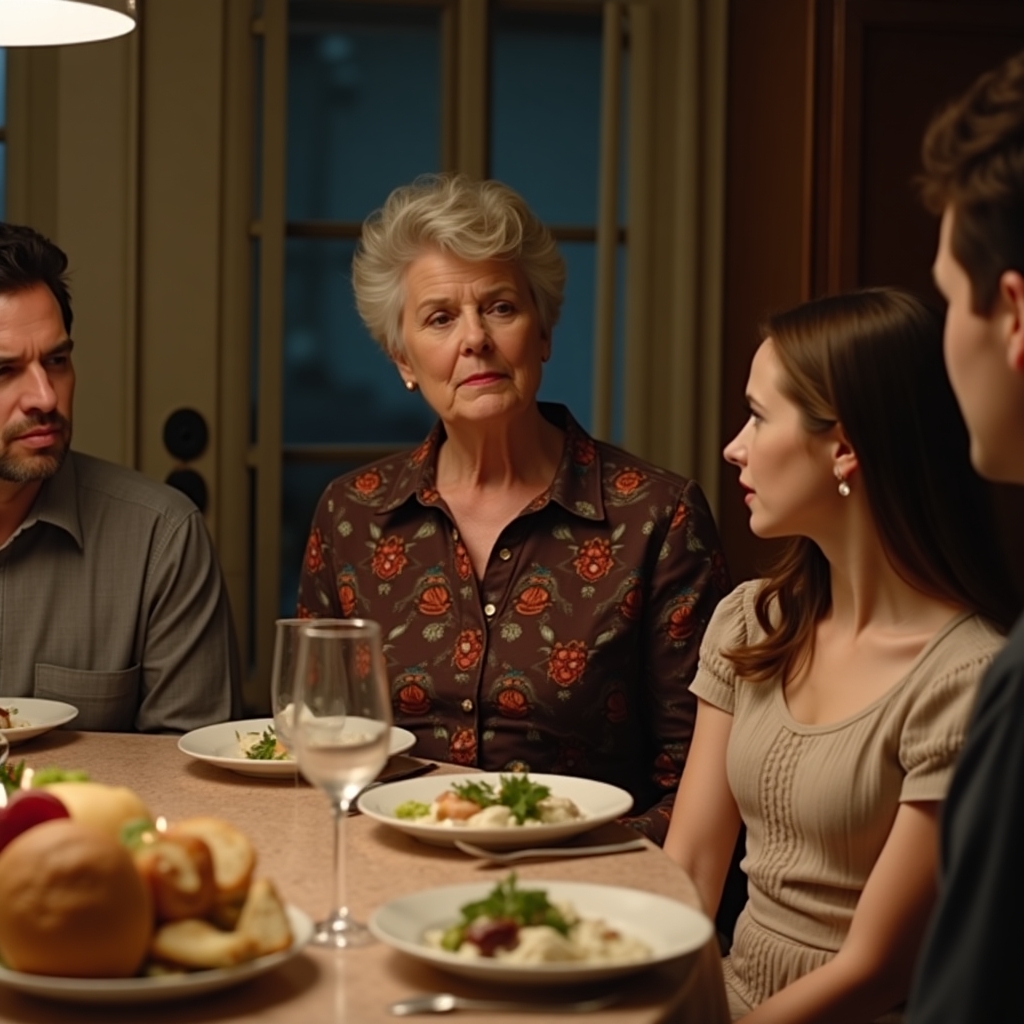





For years, she bent over backwards to please him… until one day something snapped. Kate had always been the peacekeeper in her marriage. From early morning breakfasts to late-night laundry sessions, her day revolved around her husband, Tom, and his ever-growing list of demands. Tom, in his obliviousness, believed that his marriage was perfect, unaware of Kate’s silent suffering.
Every morning, Kate would wake up at dawn, preparing Tom’s breakfast just the way he liked it—sunny side up eggs, toast with precisely spread butter, and freshly squeezed orange juice. But her efforts were met not with gratitude, but with a pointed criticism about the yolks being too runny, the toast too crisp. Kate swallowed her hurt, trying to focus on the good days when Tom would say ‘thank you’ or surprise her with a small gesture of affection.
“Kate, did you pick up my shirts from the dry cleaners?” Tom asked one evening, his eyes glued to the television.
“No, I didn’t have time today,” Kate responded, her voice tinged with fatigue.
“Can’t you manage your time better? You knew I needed them,” he retorted, annoyance evident in his tone.
This was the pattern—Tom’s demands, Kate’s attempts to meet them, and the inevitable criticism when she fell short. The emotional tension simmered beneath the surface, each dismissive comment adding to Kate’s growing sense of inadequacy.
The turning point came one evening when Kate sat alone at the kitchen table, a letter in hand from her long-neglected sketching class. It was an invitation to display her work at a local gallery. She had forgotten the joy of drawing, of expressing herself beyond household responsibilities. When she excitedly told Tom about the opportunity, his response was casual, dismissive: “That’s nice, but can you handle that with everything else?”
Something inside Kate shifted. She realized she had been carrying the weight of expectations alone, her aspirations buried beneath them. That night, as Tom watched television, Kate stood in front of him, her voice steady yet filled with unspoken frustration.
“Tom, we need to talk,” she began, her heart pounding. “I’m not happy with how things are. I feel like I’m living for everyone else, but not for myself.”
“What do you mean?” Tom asked, momentarily pulling his gaze from the screen.
“I need you to understand how much I do, and how little I feel seen. I have dreams too, Tom. I missed that in all the noise of your needs. I want to pursue my art. I want to be more than just your convenient spouse.”
Her words hung in the air, heavy with years of suppressed emotion. Tom, at first bewildered, began to see the cracks in their relationship, the gaps where his understanding should have been.
In the days that followed, they talked more than they had in years. Tom learned to appreciate Kate’s efforts, her passions, and the sacrifices she had made. It wasn’t easy, but they both started to adjust—Tom learning to share responsibilities and Kate reclaiming her sense of self.
Kate’s art found its way to the gallery, and with it, she found a part of herself she had thought was lost forever. The marriage was still there, but it was evolving—a work in progress, grounded in mutual respect and realistic expectations.
The breaking point had been a new beginning, not just for Kate, but for both of them.