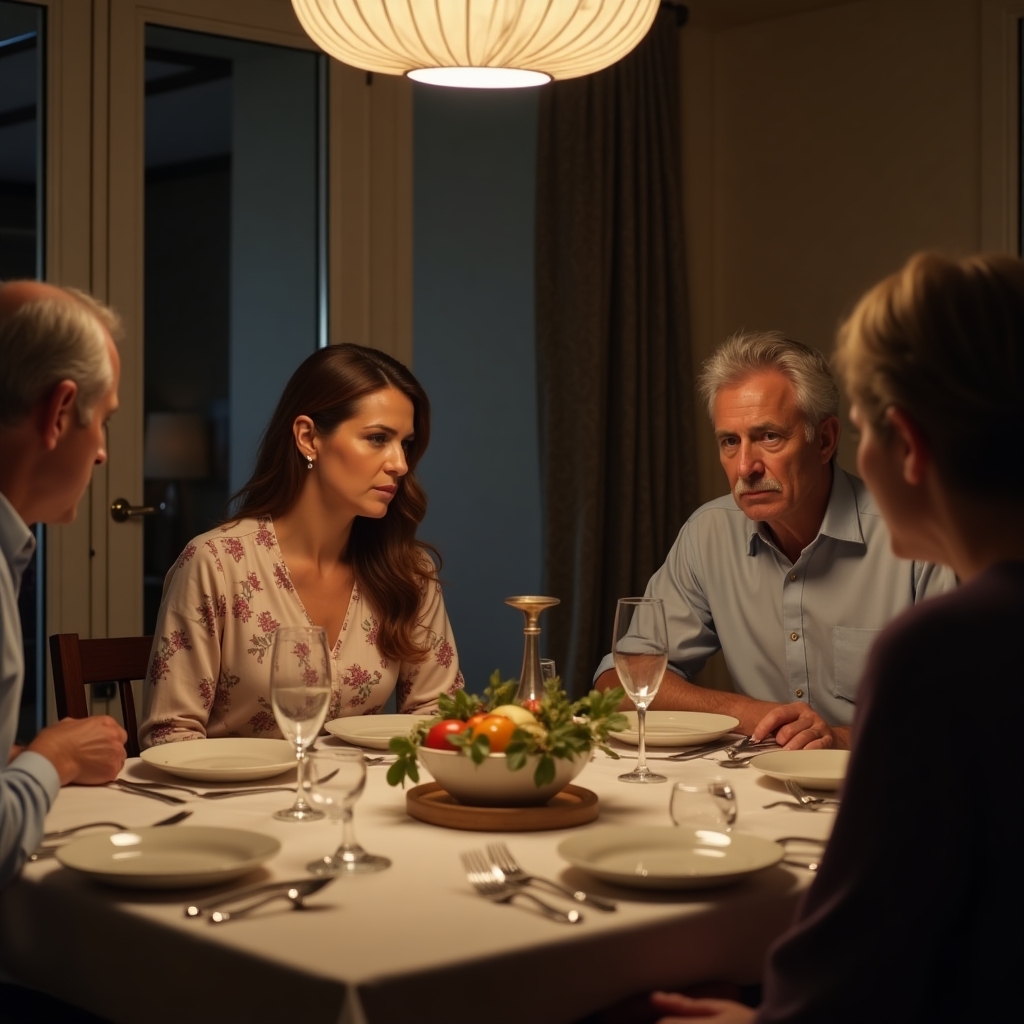


All it took was one canceled holiday for us to finally see Gran’s true colors. The entire family, packed and ready to leave for a much-anticipated beach getaway, was halted by my mother-in-law, Sheila.
“This foolishness must stop,” she declared, standing square in our foyer with an imperious air. Her words cut through the warm bloom of anticipation that had filled the hallway. “You are needed here. Samuel has his exams, and Isabel needs to prepare for her speech contest next month.” Her demands, always cloaked in the guise of concern, were yet another tight loop in the chain she had been binding around us for years.
My husband, James, and I exchanged a familiar glance. A silent conversation passed between us, a blend of helplessness and simmering frustration. We had been compliant for so long, yielding to her whims for peace’s sake, but there was an unspoken agreement between us that this time must be different.
“Mom, the kids deserve a break. We all do,” James said, his voice a mixture of appeasement and weariness. His polite smile was strained, like a rubber band stretched too thin.
Gran pursed her lips, her face the picture of disapproval. “Nonsense, James. You know how important their education is. A little sacrifice now will ensure their success later.”
The words hung heavy in the air, and I noticed Samuel’s shoulders slump, his eager grin faltering, and Isabel’s eyes cloud with disappointment. My heart ached for them.
The week dragged on with the tension thick and palpable. The holiday that had promised laughter and sunshine was replaced with a dull routine of lessons and unspoken resentments. Sheila’s presence was a constant shadow, her footsteps echoing with authority in our home.
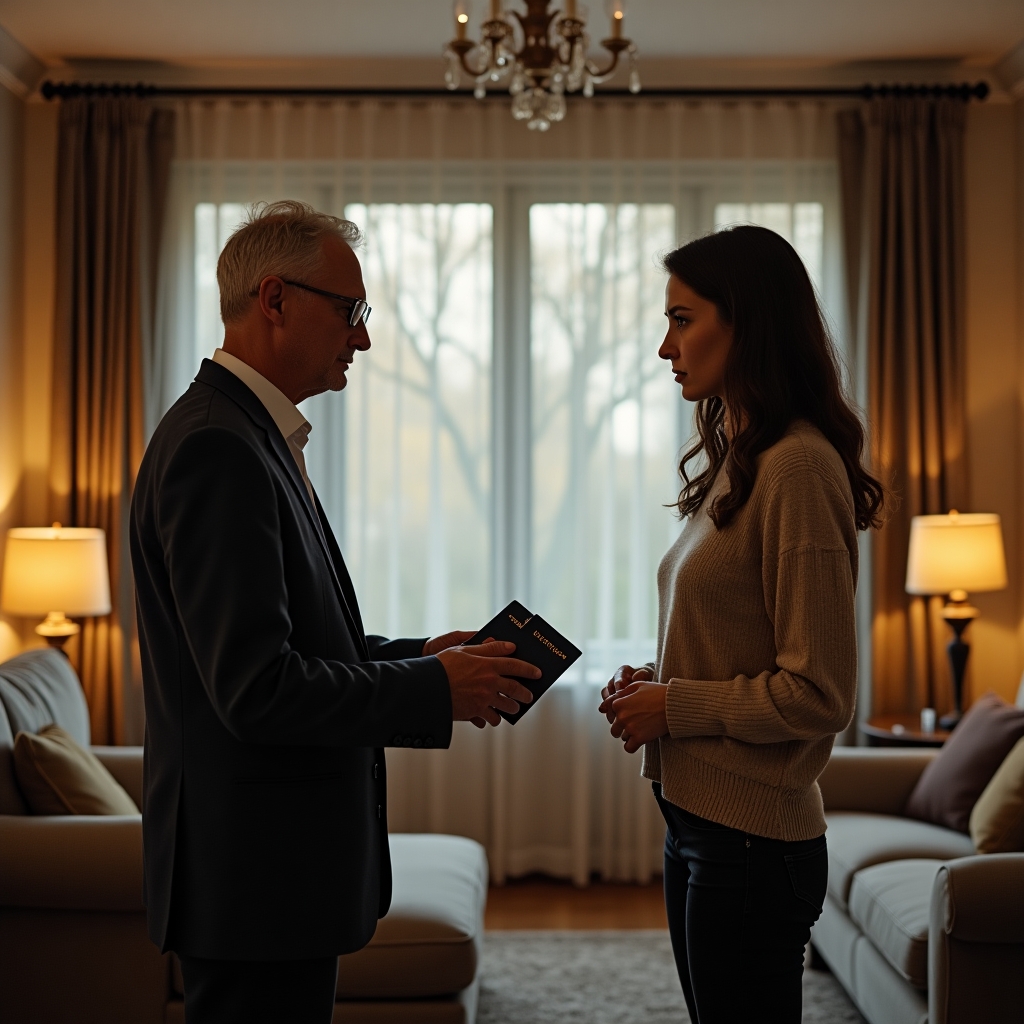
The breaking point came on a Saturday afternoon. I found Sheila in the study, rifling through James’s drawer. My breath caught as I saw her with our passports, a triumphant glint in her eye.
“What are you doing?” My voice was steady, though my heart pounded like a drum in my chest.
“I’m doing what must be done, dear,” she replied without looking up, her calmness infuriating. “Someone has to take control.”
Something snapped inside me then, a chord of resolve that had long been strained. I stepped forward, plucking the passports from her grasp with a firmness that surprised me.
“No more, Sheila,” I said, each word deliberate. “This is our family, our lives. We decide what’s best for us.”
She opened her mouth to protest, but the words were gone, lost to the conviction she saw in my eyes.
“We love you, and we appreciate your concern, but you must let us live our own lives,” I continued, my voice soft but unyielding.
James appeared in the doorway then, standing at my side like a bulwark. Together, we faced her, a united front. It was a momentary standoff, and then something shifted in Sheila’s gaze. Her posture softened, and she turned away, leaving the room without another word.
The air felt lighter, and as James and I stood there, a new sense of freedom unfurled between us. It was a tentative beginning, a reclaiming of the life we had let slip away bit by bit.
Our independence was no longer a distant dream but a tangible reality, and with it came the promise of resilience and mutual respect.
The family was saved not by defiance, but by a gentle assertion of boundaries—a lesson that whispered of hope and steadfast courage.