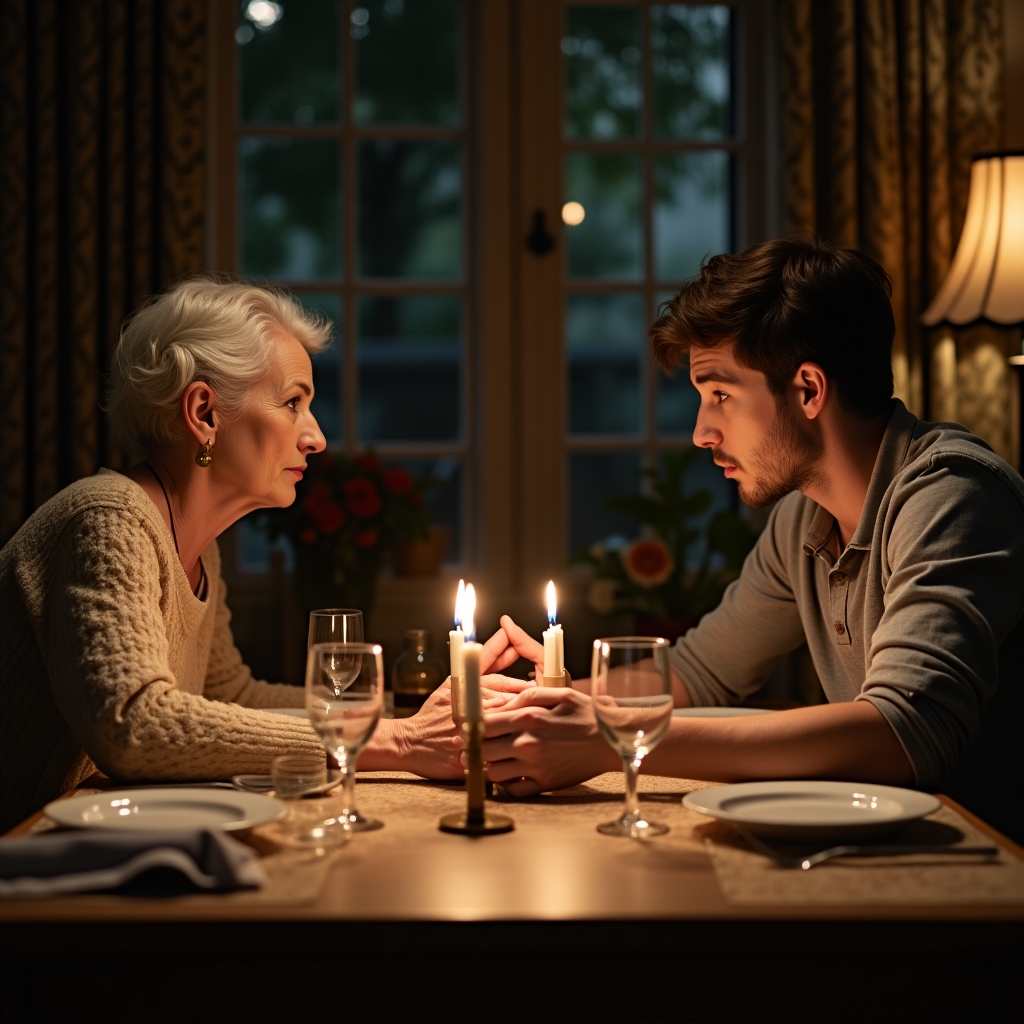




On what was supposed to be the happiest day of her life, Julia stood alone in the flickering candlelight of the grand ballroom, where silence echoed louder than any celebration. Her wedding dress, a cascade of ivory dreams, felt like chains binding her to a reality she could not escape. Edward had left her there, a note placed delicately atop the altar, its few lines tearing through her heart more brutally than any storm.
The betrayal unraveled as she read those words: _”I can’t do this. I’m sorry.”_ Two hours earlier, he had whispered sweet promises in her ear; now, he was gone, vanished as if their years together were nothing more than a fleeting shadow.
Friends and family milled about awkwardly, offering condolences as if she had suffered a death—perhaps she had. Her vision blurred with tears and disbelief, she stumbled out of the ballroom into the cool night, each step weighted with pain. The city lights blurred around her, a mockery of the life she thought she would have.
Days passed in a haze. Her mind was a battleground of questions and shattered hopes. Why hadn’t she seen it coming? Why hadn’t he talked to her about his doubts? Each beat of her heart felt like a reminder of her foolishness.
It was during one of these tormenting soliloquies that she found herself before a reflective surface, an antique mirror handed down from her grandmother. Her own reflection challenged her. The woman staring back was more than a jilted bride; she was someone who had weathered storms before. In that moment, Julia decided she would not let Edward’s betrayal define her.
The following week, she returned to work. Her colleagues were kind, their eyes filled with pity, but Julia moved with a determined grace that dismissed their concerns. She poured herself into her passions—her artwork, the colors and canvases that had always been her refuge and voice.
It was an unexpected encounter with her childhood friend, Liam, that sparked her turning point. Sitting across from her in their favorite café, he listened, really listened, as she unraveled the tangled mess of her emotions.
“You deserve better, Julia,” he said firmly. “Don’t let someone else’s cowardice make you doubt who you are. You’re incredible, and you’ve always been enough.”
His words were a balm to her wounded soul. That night, she stood in front of her mirror once again, this time with a sense of defiance and renewed belief. “I am enough,” she whispered, a mantra that would carry her forward.
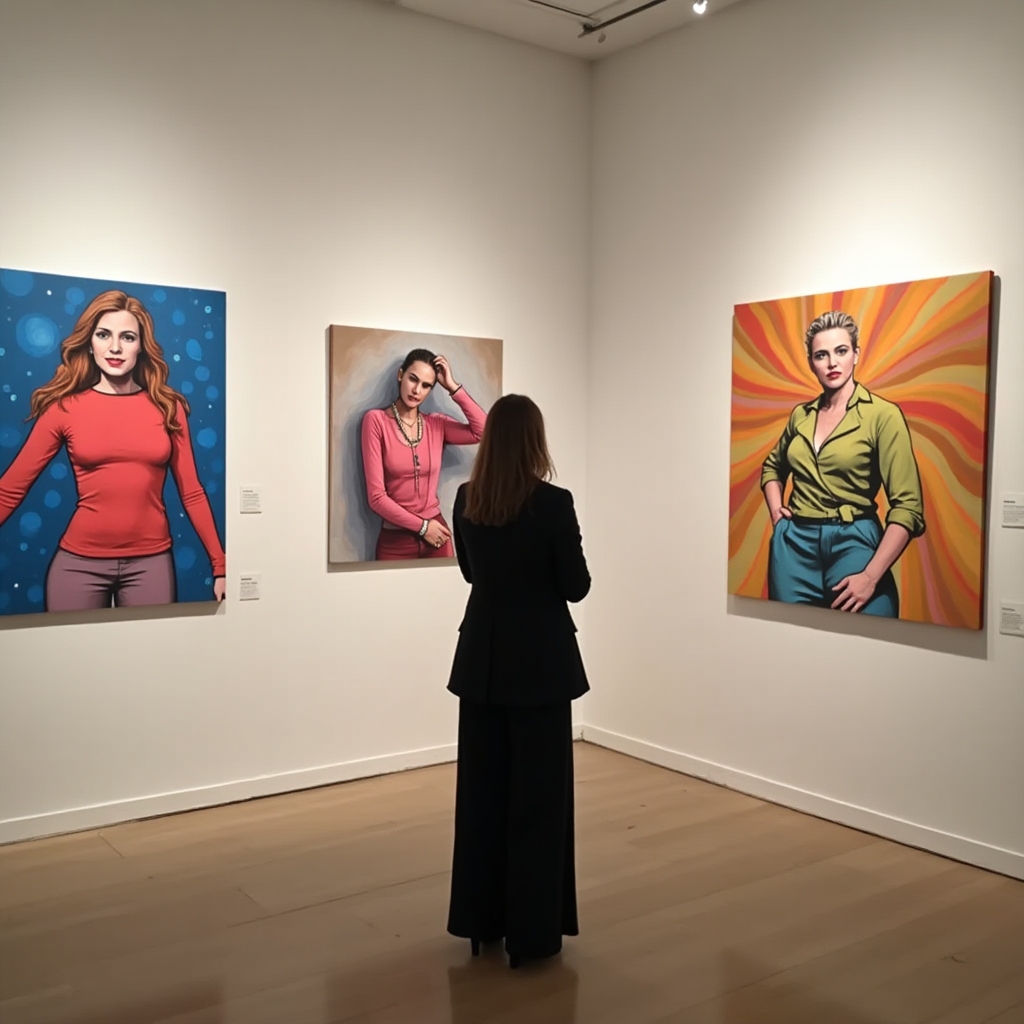
Julia joined a local art exhibit, showcasing pieces that spoke of her journey from despair to empowerment. Her work drew admiration and awe, earning her recognition as a rising talent. She no longer needed Edward’s validation; she had found her own self-worth.
On the day that her exhibit opened, Julia stood tall, no longer defined by a broken promise, but by her strength in overcoming it. As she watched the crowd admire her art, she realized she was free—not just from Edward, but from the shadows of doubt that had long haunted her.
The betrayal that once shattered her now served as the foundation for her newfound strength, a testament to her resilience and capacity to rise above.