

On the day that was meant to mark their new life together, she found herself standing alone at the altar, echoing silence filling the vast cathedral. Friends and family were mere shadows in the periphery as her world spun, the weight of his betrayal crashing down upon her like a tidal wave. Only an hour before, a single text had arrived, a stark confession from him that he could not do it, that he had found solace in someone else’s arms long before this day.
As the whispered disbelief spread among the guests, Lydia’s heart fractured with each breath. She replayed the words over and over, trying to understand how the man who had promised her forever could leave her with nothing but empty air and a shattered soul.
Her voice, when it finally emerged, was a trembling echo of the woman who had once been so assured, so hopeful. “How could you do this to me?” she whispered to the empty space where he should have stood. Her friends gathered around her, a cocoon of support amidst the wreckage of her dreams.
In the days that followed, Lydia spiraled into a world of pain, each morning a reminder of the promises broken, of the love that had turned into deceit. Her apartment, once filled with shared laughter and dreams, became a shrine to what was lost—pictures of happier times now mocking her from the walls.
Yet, amidst the tears, something began to change. Perhaps it was the way her best friend, Sarah, refused to let her languish in despair, dragging her out for long walks and endless cups of coffee. Or maybe it was her reflection—an unrecognizable woman who seemed to be asking, “Where did you go?”
One evening, as dusk painted the sky crimson, Lydia found herself standing before a mirror, the realization dawning like the first light of dawn. She whispered the words she needed to hear, “I deserve better than this.” It was as if saying it aloud imbued them with power, a mantra that began to weave through her consciousness.
The turning point came when she stumbled upon an old journal, its pages filled with dreams and aspirations she had put aside. She spent that night writing, pouring out her heart, her pain, and most importantly, her hopes for the future. It was as if the act of writing became both cathartic and liberating, a bridge over which she began to reclaim her identity.
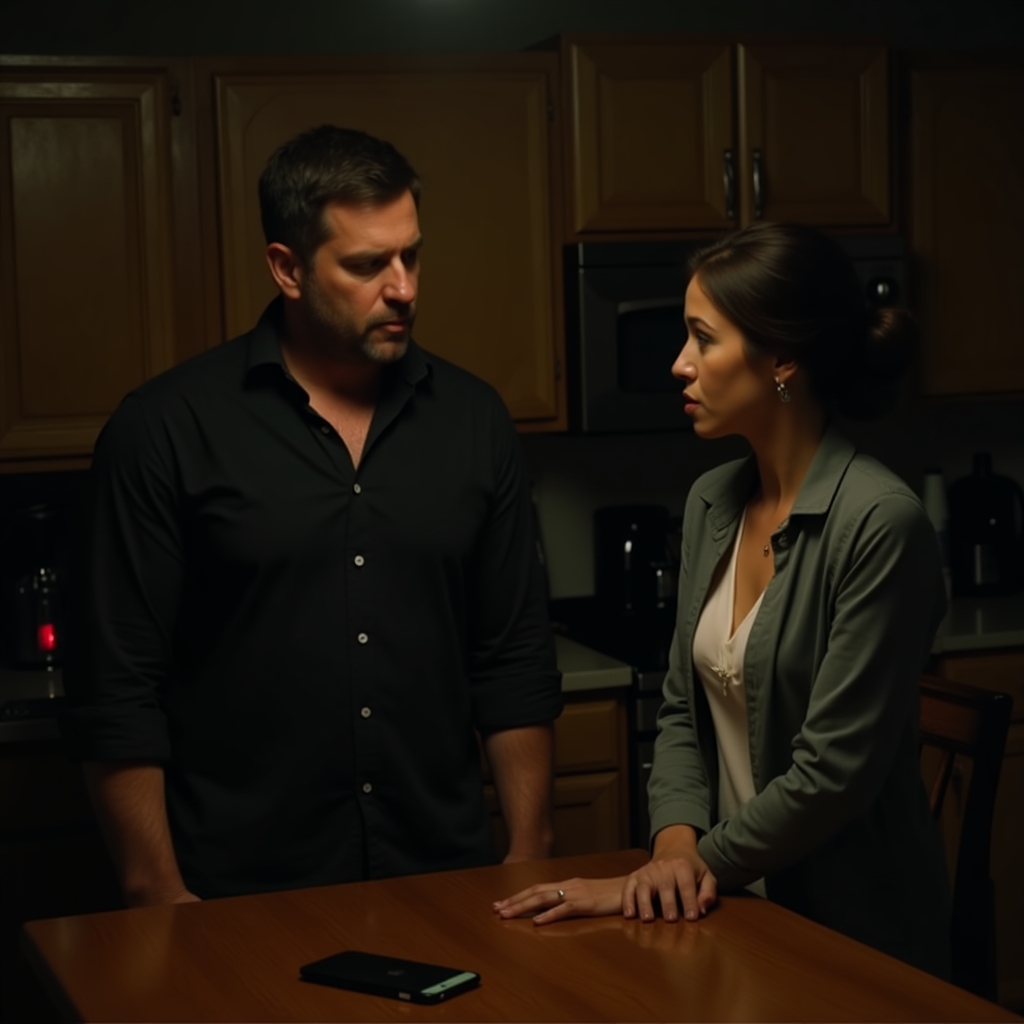
Lydia confronted him once, not for closure, but to declare her independence from the chains he had unknowingly bound her with. She stood before him with an unexpected calm, her voice steady. “I will be fine without you,” she said, and felt the truth of it resonate through her core.
As she walked away, she felt a weight lift from her shoulders. She wasn’t the woman she had been, nor the broken fiancée left at the altar. She was someone stronger, someone who had discovered her worth amidst the rubble.
In the weeks that followed, Lydia started anew. She pursued passions she had long shelved, surrounded herself with people who supported and cherished her. She may not have needed an apology from him, for her strength was apology enough. And as time healed, she realized that the greatest love she’d ever receive was the love she found for herself.
The final scene: Lydia stands atop a cliff at sunrise, the wind in her hair, ready to embrace whatever comes next with open arms. Her past, once a weight, now seemed a distant memory, left behind as she ventured into a future crafted by her own strength.