



On the eve of their anniversary, while searching for a pen in his bag, Julia stumbled upon a crumpled note that wasn’t meant for her. ‘I can’t keep this a secret any longer. Meet me tomorrow. Love, Chloe.’ Her breath caught as the reality sank in, splitting her heart in two.
Confrontation came swiftly, anger roaring in her veins. “How could you, David?” she spat, the betrayal a bitter taste in her mouth.
He stood there, eyes cast down, as if the floor held the answers he couldn’t find. “I’m sorry, Julia,” he whispered, but the words were hollow, vessels of guilt rather than regret.
Her mind spiraled through their shared memories, now tainted with lies. She remembered the beach at dawn, their laughter echoing on the waves, promises made under a pastel sky. Now, each recollection felt like a shard of glass lodged deeper into her soul.
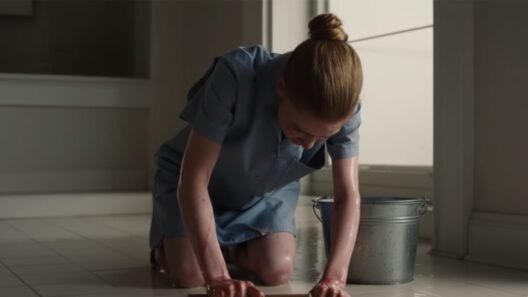
The days that followed were a blur of anguish. Julia wandered through her routines in a fog, each step like dragging her heart across a field of thorns. Her friends tried to console her, but their words were muffled, distant.
One evening, as twilight cast long shadows across her living room, Julia found herself staring at the mirror. Hollow eyes stared back. “Who am I without him?” she whispered.
But then, as if answering a question she hadn’t realized she’d asked, her reflection seemed to shift. She saw the woman who had dreams before David, the woman who had once laughed with abandon, loved deeply, and stood tall. A flicker of determination sparked within her.
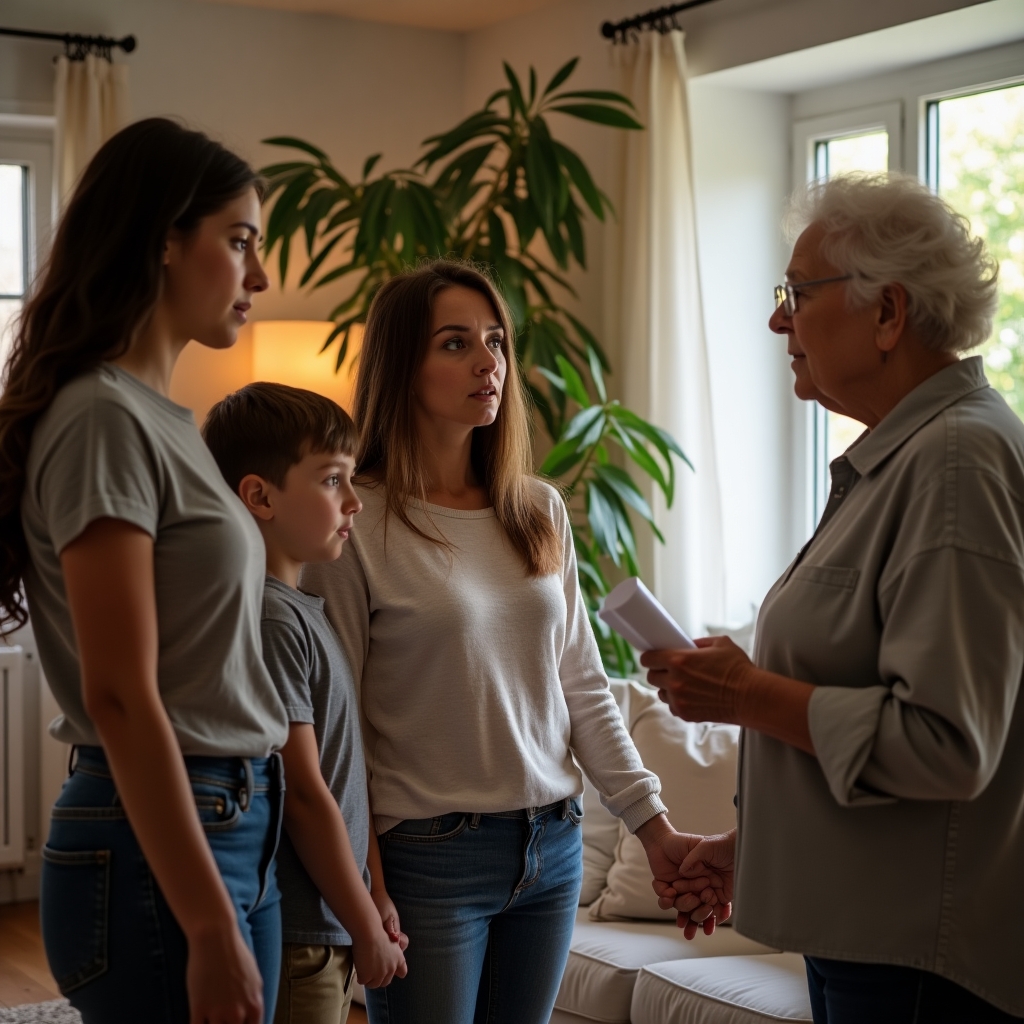
The next day, armed with that vision, Julia sought out the only person who could help her make sense of the chaos—her grandmother, Eleanor. In the cozy warmth of Eleanor’s kitchen, surrounded by the aroma of brewing tea, Julia spoke of the betrayal, her voice trembling.
Eleanor listened quietly, her wise eyes filled with understanding. When Julia finished, Eleanor placed a gentle hand over hers. “Heartbreak feels like the end, but it’s really a beginning,” she said softly. “You have a strength in you that isn’t defined by anyone else’s love.”
Her grandmother’s words were a balm, soothing the raw edges of her wounds. Julia realized she had been looking for herself in David, but now she needed to find herself within.
The turning point came when she penned a letter to David—words flowing not of anger or desperation, but of closure. She wrote of pain, of lessons learned, and of the strength she found in the storm’s eye.
Standing before his mailbox, she took a deep breath before slipping the envelope inside. With that act, Julia felt something she hadn’t in weeks—liberation. She was not the betrayed, not the broken. She was Julia, whole and resilient.
Walking away, the world unfolded before her, vast and full of promise. She knew this was her story to write, unburdened by a love that had turned to chains.
As she stepped into the future, she smiled—a smile that spoke of newfound freedom and self-respect.
In the end, Julia didn’t need an apology; she found something much more profound—herself.