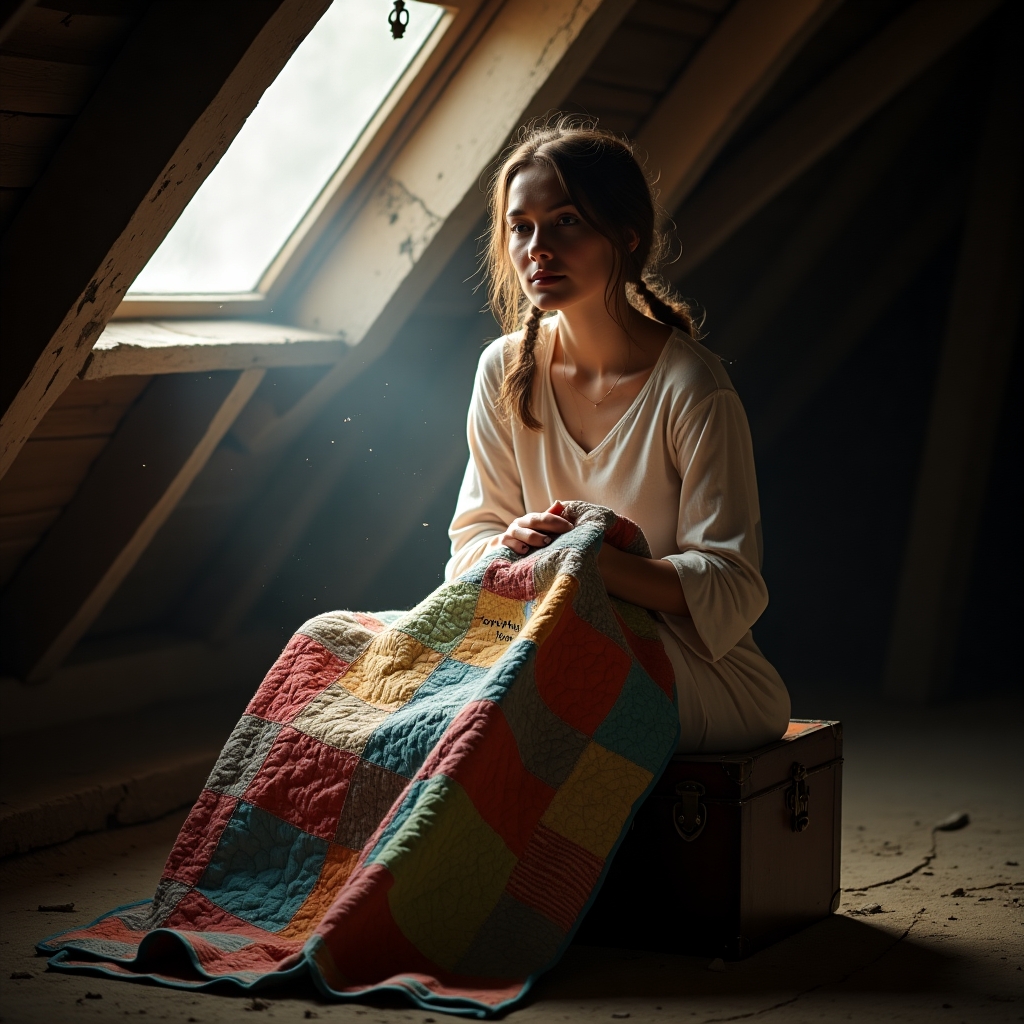



Riya sat at the wooden desk in her childhood bedroom, the warm afternoon light streaming in through the lace curtains. The familiar scent of chai drifted up from the kitchen, mingling with the fading fragrance of jasmine from the flowers her mother kept in a vase by the window. She often found herself staring at the notepad before her, its once-crisp pages marred with scribbles and half-formed thoughts, each a testament to her inner turmoil.
As the only daughter in a traditional Indian family, Riya felt the burden of expectation heavier than most. Her parents, first-generation immigrants, had woven their dreams into the fabric of her life, crafting a tapestry of hope and obligation that felt at times suffocating. Her father, a stoic man who seldom spoke of his own aspirations, had built a small but successful accounting firm. It was understood, without being explicitly stated, that Riya would eventually take the helm.
Yet, Riya harbored a passion for art that had been kindled in her as a child. It was her escape, her solace, a quiet rebellion against the calculated world of numbers. When she painted, the world faded away, leaving only the colors and the canvas and the feeling of freedom.
The subtle tension between her love for art and her familial duty gnawed at her quietly, a gentle tide that wore away at the shore of her resolve. It was not a dramatic conflict, but an undercurrent that pulled at her from within, a silent struggle that colored every conversation, every decision, every daydream.
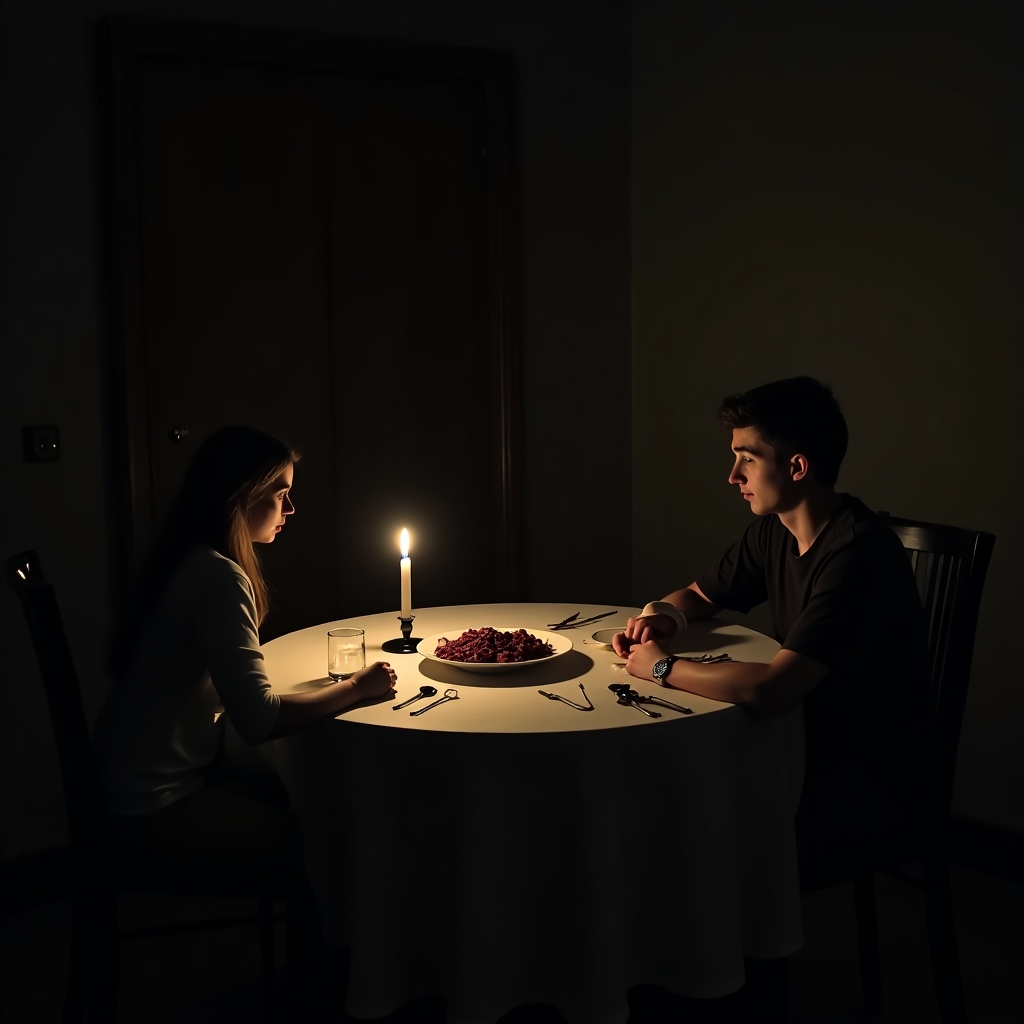
Her mother’s voice drifted up the stairs, calling her to dinner. Riya closed the notepad and pushed herself away from the desk, her footsteps soft on the carpeted floor. The dining room was a place of warmth and laughter, but tonight it felt different, as if the air was alive with unspoken words.
Her parents spoke of mundane things at first—the weather, the news, their neighbor’s new car. But Riya’s mind was elsewhere, lost in a swirl of thoughts and emotions. She wanted to speak, to voice the storm within her, but the words were like birds caught in a net.
It was her father who broke the silence, his voice gentle but firm. “Riya, beta, have you thought about what we discussed? About joining the firm?”
Riya hesitated, her heart pounding in her chest. She looked at her parents, their faces lined with years of sacrifice and love. The weight of their expectations pressed on her shoulders, but so too did the yearning in her heart to follow her own path.
“I have,” she said finally, her voice barely above a whisper.
The tension in the room was palpable, a quiet crackling in the space between them. Her mother reached out, her hand warm and comforting. “Whatever you choose, we are proud of you, Riya.”
It was in that moment, amidst the gentle hum of the refrigerator and the distant sounds of the city, that Riya found clarity. She realized that her parents’ dreams for her, while deeply rooted in love, did not have to define her own. The understanding that she could honor their sacrifices while still honoring herself blossomed within her.
In the quiet of the night, beneath a sky studded with stars, Riya approached her father at the kitchen table. He was alone, a cup of tea cradled in his hands, his gaze lost in thought. She sat beside him, the silence stretching between them like a bridge.
“Papa,” she said softly, “I love art. I want to pursue it. But I also want to make you proud.”
Her father looked at her, his eyes filled with a gentle wisdom. “Riya, following your heart takes courage. If art is what you love, and it makes you happy, then that is enough for us.”
In that moment, Riya felt a quiet strength bloom within her, a peace that settled over her soul like a gentle rain. She knew that the path she had chosen would not be easy, but it was hers—and that made all the difference.
As she sat there, her father beside her, Riya felt the weight of generations begin to shift, not dissolve, but transform into something new—a legacy of understanding, of love, of courage. It was the beginning of a journey toward healing, a journey that would honor both the past and the promise of tomorrow.