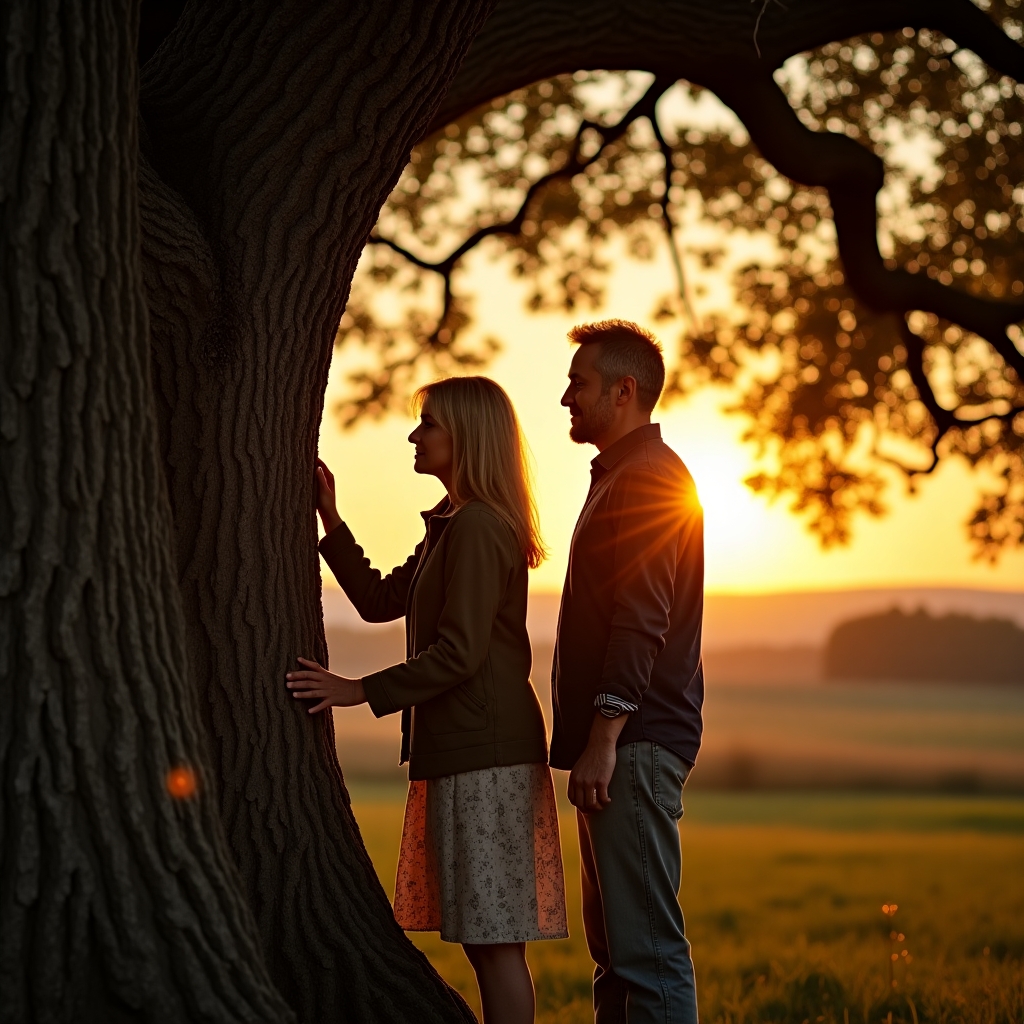


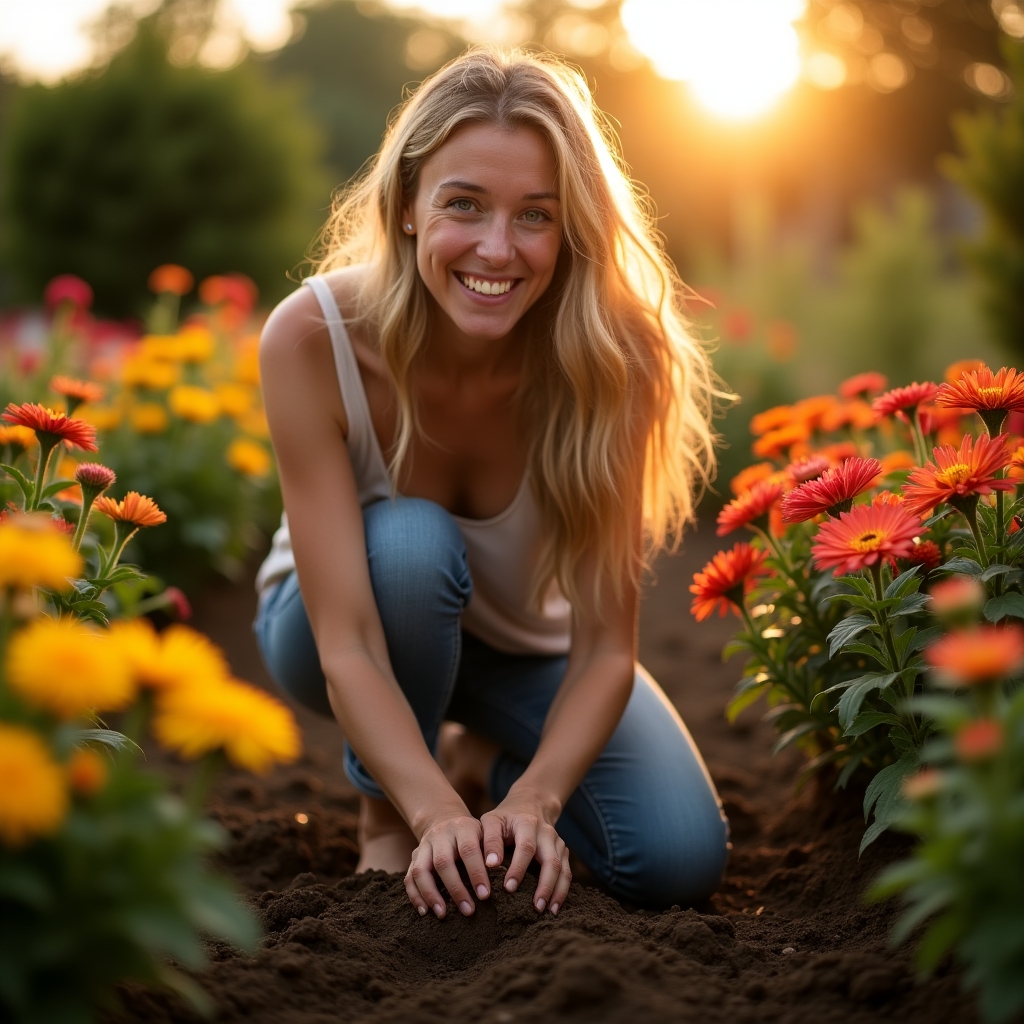
Clara stood at the edge of her garden, fingers brushing the sun-bleached picket fence, trying to remember the last time she had planted something for herself. The dahlias in front of her were her mother’s favorite, planted decades ago when Clara had just been a child. ‘A garden needs attention,’ her mother used to say, but the blooms now seemed to cast a shadow over Clara’s own needs, much like everything else had.
At thirty-five, Clara felt the weight of living under others’ expectations. Her mother had always been a strong presence, offering advice that felt more like commandments. Soon, Clara found herself in a similar relationship with Peter, her partner of five years.
Every evening, they would have the same conversation over dinner. ‘Did you call your mother today?’ Peter would ask, in a tone that left no room for anything but compliance. Clara would nod, sometimes truthfully, sometimes not. It was a harmless lie, she told herself. ‘You know how she worries,’ he would add, justifying the intrusion.
It wasn’t that Peter was unkind; he was attentive to her needs, but only within the boundaries defined by others. His own upbringing mirrored Clara’s—duty-bound, where love equated to self-sacrifice.
On a particularly balmy Tuesday, Clara received a call from her sister, Sarah. It started with the usual small talk, but quickly drifted into familiar territory.
‘Mom thinks you should host Thanksgiving this year,’ Sarah said, the words tumbling out like leaves in a gusty wind.
Clara’s stomach tightened. ‘It’s the same every year, Sarah. Why can’t you take it this time?’
There was a pause. ‘You know how she is. She just feels it’s your turn.’
The rest of the conversation blurred into a murmur, but the words ‘your turn’ echoed in Clara’s mind long after she hung up the phone.
Later that week, Clara found herself at the local nursery, ostensibly to buy more fertilizer for the garden. But as she wandered through the rows of blooming flowers, she found herself drawn to a corner filled with small, potted chrysanthemums. They were bright, colorful, and for some reason, they spoke of possibilities Clara hadn’t allowed herself to imagine.
Back home, with the chrysanthemums in hand, Clara stood frozen at the garden’s edge, contemplating where to plant them. Would they look out of place among her mother’s dahlias? Would they even thrive?
Peter’s voice broke through her thoughts. ‘What are those?’ he asked, appearing beside her. His eyes scanned the potted plants with mild disinterest.
‘I thought I’d plant something new,’ Clara replied, her voice barely above a whisper.
‘But what about the dahlias?’ he asked, almost reflexively.
Clara felt a familiar tug of resignation, but instead of yielding, something inside her shifted. ‘I think it’s time to try something different,’ she said, her voice firmer, surprising even herself.
Peter looked at her, a mixture of surprise and confusion crossing his face. But he said nothing, just nodded and went back inside.
Alone with the silence, Clara knelt on the soft earth, gently making space for the new plants. She could feel the coolness of the soil against her palms, the scent of possibility filling the air.
As she worked, each movement was a small act of rebellion, a refusal to let her life be dictated by others’ expectations. She didn’t know if the chrysanthemums would thrive, but the act itself was enough. It was as if each plant marked a step toward a different future, one that was undeniably hers.
That night, as Clara lay in bed, she felt a new kind of heaviness—one not of burden, but of possibility. She would host Thanksgiving, but it would be in her own way, without the shadows of obligation.
That simple decision—to plant something new, to claim a little corner of the world as her own—felt like the beginning of a new chapter, one where her voice wouldn’t be a whisper anymore, but a melody she was ready to sing.