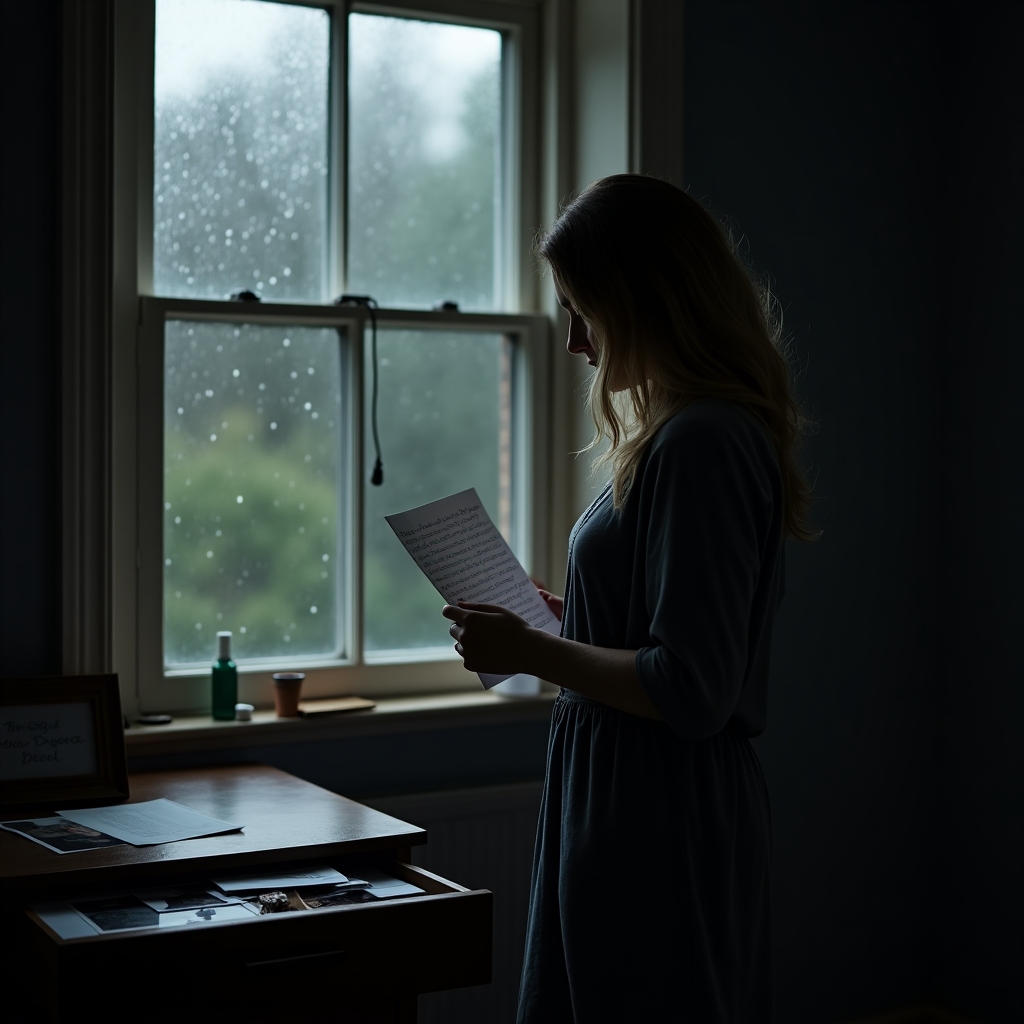




Under the soft dappling of sunlight filtering through the tall bamboo, Mei sat cross-legged on the rough wooden floor of her grandmother’s ancestral home. Each rustle of the leaves seemed to echo the multitude of whispers from past generations, merging with the present, beckoning her to listen. The whispers were comforting and familiar, yet confining, a constant reminder of the expectations that had been placed on her shoulders since birth.
Growing up in a town tinged with the colors of tradition, Mei was cradled in a world of rituals and familial duties. Her childhood was a medley of family gatherings, festival preparations, and whispered stories of ancestors who had built the family’s legacy. Yet, underneath the vibrant tapestry of culture lay an undercurrent of expectation, a heavy mantle of responsibility that Mei felt even as a child.
Now at 24, Mei stood at the crossroads of her life. Her parents and elders expected her to take over the family business—a teahouse passed down through generations. It was not merely a business but a cultural emblem, a bridge connecting the past to the present. It was a place where stories were shared over steaming cups of jasmine tea, where the air was perfumed with the scent of tradition. Yet, the very idea filled Mei with a quiet dread.
Her passion lay elsewhere, in the strokes of her brush, in the colors she could bring to life on canvas. Art was her language, her solace, and her rebellion against the constraints silently imposed upon her. In her paintings, she could breathe freely, unhindered by expectations. Her studio apartment was littered with canvases, each narrating a story of her struggles and dreams.
The tension between her love for art and her familial obligations simmered beneath the surface of her daily life. There were no outward confrontations, no dramatic refusals. Instead, there was a constant internal dialogue, a negotiation between love for her family and love for herself. Mei would often find herself lost in thought, her gaze lingering on the teacups lining the shelves of the family teahouse, wondering if she could transform her dreams without shattering the delicate balance of family harmony.
The turning point came on a quiet afternoon during the Lantern Festival. The festival was a vivid tableau of colors, laughter, and music, a collective celebration of light and community. As the sun began to set, Mei’s family gathered, as they did every year, to light lanterns and release them into the night sky—a prayer for fortune and unity.
As Mei held a lantern, its paper sides gently illuminated by the candle within, she felt the weight of her unspoken dreams. Around her, family members laughed and exchanged well-wishes, the glow of the lanterns reflecting in their eyes. In that moment, a realization washed over her like a warm, comforting wave: the light within the lantern was like her spirit, yearning to fly free.
Taking a deep breath, Mei closed her eyes and whispered a silent vow to herself. She realized she could honor her family while pursuing her dreams, that the two paths did not have to be mutually exclusive. As she released the lantern into the sky, watching it bob and weave gently in the air currents, she felt a profound sense of peace. The lantern rose steadily, a tiny flame against the vast night sky, and with it, her resolve strengthened.
The days following the festival were marked by quiet conversations with her parents. Mei spoke with a newfound clarity, expressing her love for the family business and her desire to integrate her art into it—perhaps through workshops or displays that would attract a younger generation while preserving the essence of the teahouse. Her parents listened, their expressions a mixture of surprise and contemplation.
It took time, but eventually, her parents saw the wisdom in Mei’s vision. The teahouse began hosting art exhibits, becoming a vibrant space where tradition and creativity coexisted. Mei’s paintings adorned the walls, telling stories that blended the past and the present. Her art breathed new life into the family legacy, inviting visitors to sit and share in the stories that the teahouse held.
Through quiet resilience and emotional courage, Mei found a path that honored her roots while embracing her individuality. She learned that loyalty to her family did not mean the sacrifice of her dreams, but rather the weaving of her passion into the family’s story, creating a new chapter of harmony and hope.