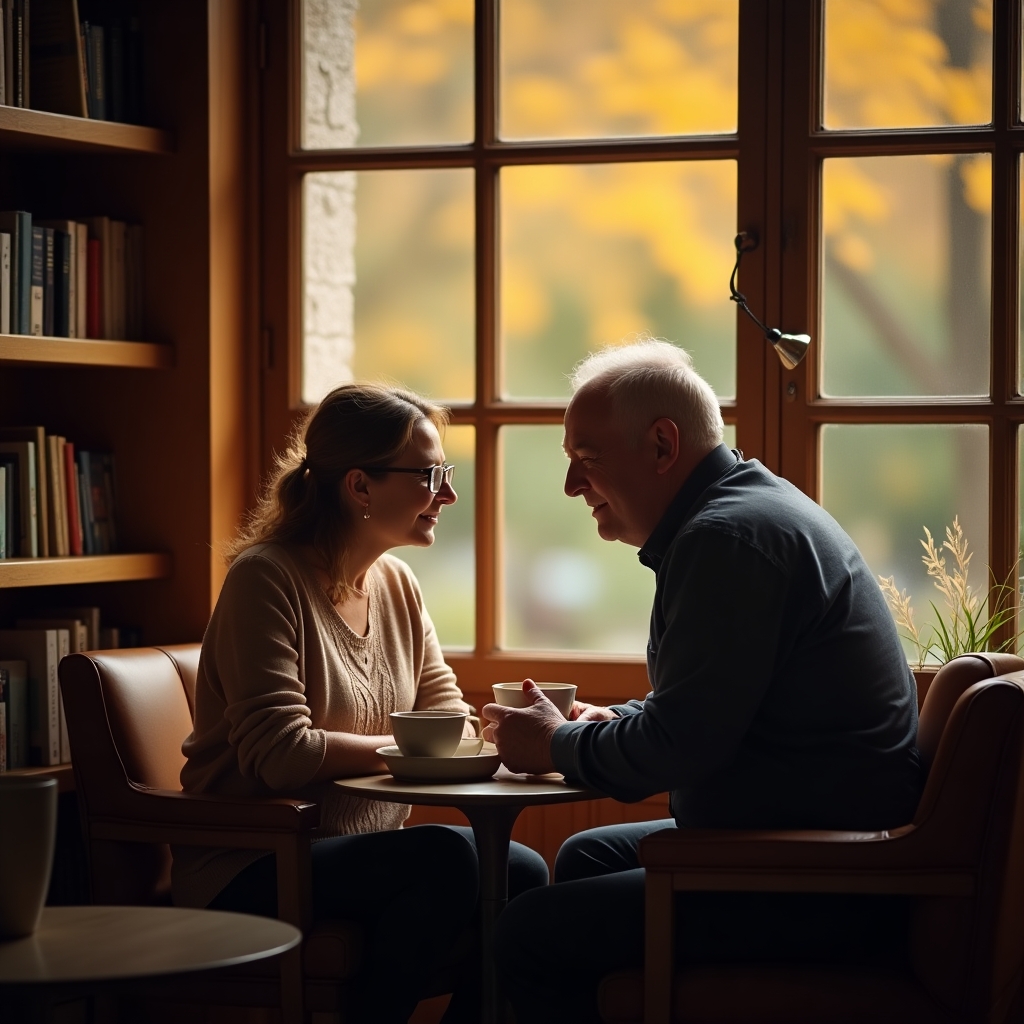
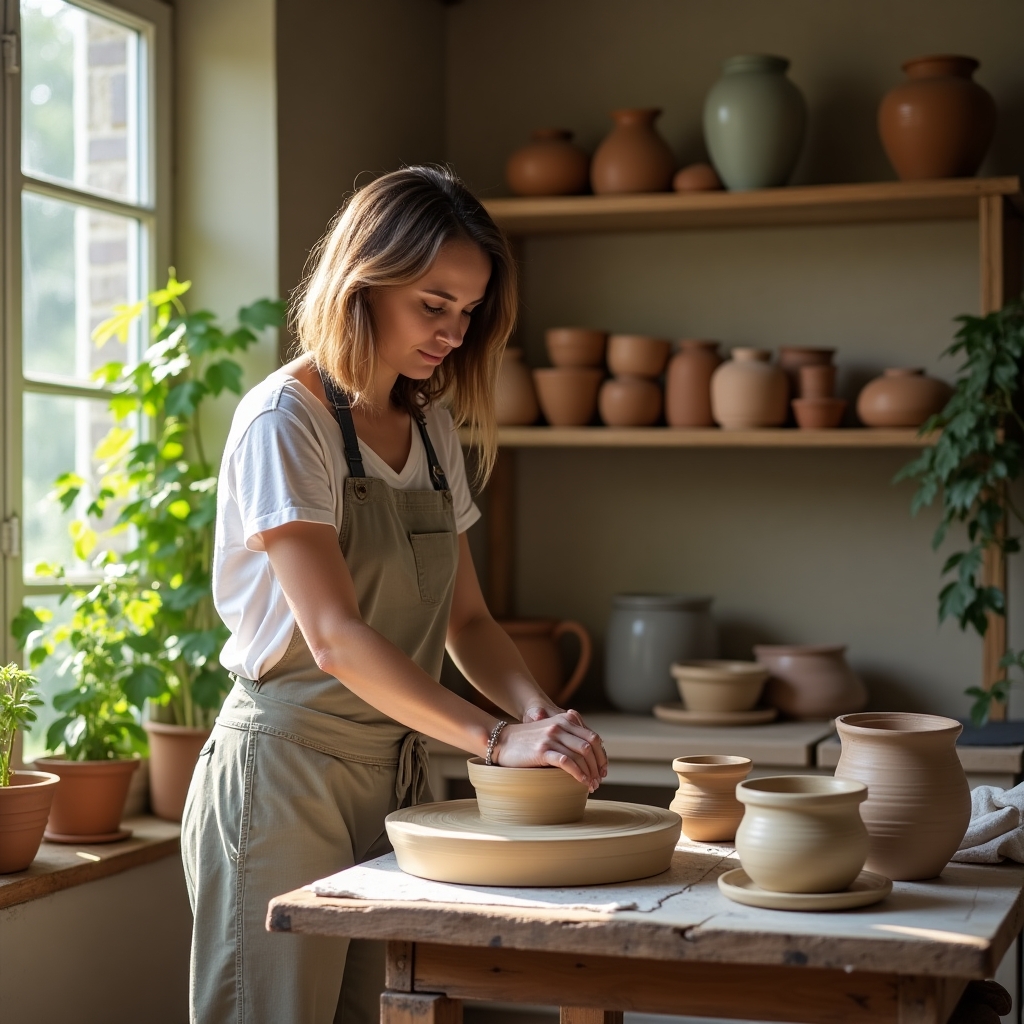


Anna slipped into her morning routine like a well-worn coat, moving from room to room with practiced efficiency. The soft clatter of dishes, the hum of the kettle, the gentle thud of the newspaper landing on the table; each sound was a note in the symphony of predictability she had crafted around herself.
“Do you need anything before I go?” Anna asked, her voice light and unaffected. Her husband, Tom, barely looked up from his breakfast. He mumbled something indistinct, and she took it as a no. With a slight nod, she left the house, the familiar click of the door echoing like a punctuation mark in the silence.
Anna drove to work down streets that seemed to stretch endlessly, lined with trees that were losing their leaves in the gradual surrender to autumn. Her mind was occupied with thoughts of meetings and emails, a comforting distraction from the quiet battles she fought within.
The office was a haven of sorts — a place where the expectations were clear and the demands were explicit. But even here, in the buzz of printers and low conversations, Anna felt the weight of unspoken obligations pressing down. Her boss, Karen, a whirlwind of energy and ambition, was a constant reminder of paths never taken.
“Got a minute, Anna?” Karen called from her office doorway.
“Sure,” Anna replied, her desk chair creaking in protest as she stood. Karen’s office was a cluttered space filled with awards and family photos. It was chaotic, yet held a warmth that Anna had always appreciated.
“I need your input on the Fitzgerald account,” Karen said, handing over a file. “You’ve got a knack for this kind of thing.”
Anna nodded, flipping through the pages, feeling a spark of something she couldn’t quite name. “I’ll take a look,” she said, her voice steady.
The day wore on, each task a tick on a long list, and by evening, Anna found herself back in her car, tracing the route home. The sun was setting, casting long shadows on the pavement. It was then, in the half-light, that Anna allowed herself to think about the things she rarely did: the art classes she never took, the dance lessons she abandoned years ago, the tiny rebellions she had stifled in favor of peace.
The kitchen was warm when she returned home, the aroma of Tom’s dinner filling the air. They talked about the day, their words polite and necessary, each sentence a placeholder for something deeper.
“I was thinking,” Anna ventured, pushing a piece of broccoli around her plate, “maybe I could start that painting class at the community center.”
Tom looked up, his fork paused midway to his mouth. “Do you have time for that? With work and everything?”
Anna felt her resolve waver, the familiar urge to retreat pressing heavily. “I think I can make time,” she said, a trace of defiance threading through her words.
Tom shrugged, returning to his meal. “If you think so.”
It was a small moment, a tiny concession, but it felt monumental to Anna. She spent the next few days in a state of anticipation, her mind alive with possibilities she hadn’t dared entertain for years. The art class became a symbol, a quiet rebellion against the narrative she had lived.
On the day of the class, she hesitated outside the community center, the chill of the autumn air biting at her cheeks. She could turn around, she thought. No one would blame her. But the thought of facing herself in the mirror tomorrow was enough to propel her forward.
The room was filled with easels and canvases, the smell of turpentine and paint invigorating. Other students milled about, some chatting, others setting up their stations. Anna chose a spot by the window, the late afternoon light streaming in, warming her face.
“I’m glad you could make it,” said an older woman, the instructor, with a welcoming smile. “I’m Marjorie.”
“Anna,” she replied, surprised by the steadiness of her voice.
The class began, and Anna found herself lost in the strokes of color, the act of creation absorbing her completely. For the first time in a long time, she felt something unfurl inside her — a sense of freedom she didn’t know she had been craving.
As the evening drew to a close, Anna stood back, surveying her work. It wasn’t perfect, but it was hers. A testament to her choice, her stand against the quiet suppression that had long defined her life.
Driving home, the sky a deep indigo, Anna felt a lightness she couldn’t remember ever feeling. She had taken a small step, but it was a step toward herself, toward autonomy. She realized then that liberation wasn’t always loud; sometimes it was as quiet as a brushstroke, as simple as claiming a corner of the world for yourself.