



Mia stood at the kitchen sink, her hands submerged in lukewarm, soapy water as she absentmindedly washed the same plate for the third time. The drone of the television anchored the silence in the living room, a familiar background noise that filled the gaps in her thoughts. The afternoon light slanted through the window, casting long shadows on the floor, marking the time she spent alone, encapsulated in a life that wasn’t truly hers.
Her husband, Tom, had already left for work, leaving behind the remnants of morning chaos – a half-drunk cup of coffee, toast crumbs scattered across the counter, and his signature scent of musky cologne lingering in the air. It wasn’t that Tom was a bad man; in fact, he was quite the opposite. Attentive, in his way, providing what he thought was best, but always assuming that what he wanted was the same as what she wanted.
Mia placed the plate on the drying rack and wiped her hands on the towel. The kitchen, though spotless, felt like a cage. This home, with its soft beige walls and perfectly arranged furniture, was supposed to be her haven—a place of safety and love. Yet, it had become a monument to her silence.
Later, she decided to visit her mother. The walk to her mother’s house was familiar, lined with trees that whispered ancient secrets to each other. As Mia walked, she felt the weight of the years pressing down on her shoulders, each step a reminder of the expectations and roles she had slipped into so effortlessly.
“Mia, darling!” Her mother’s voice was a warm hug, though it often came with strings attached.
“Hi, Mom,” Mia replied, stepping into the cozy living room filled with the scent of fresh lavender. Her mother, an epitome of grace from another era, always had opinions laced with love and judgments.
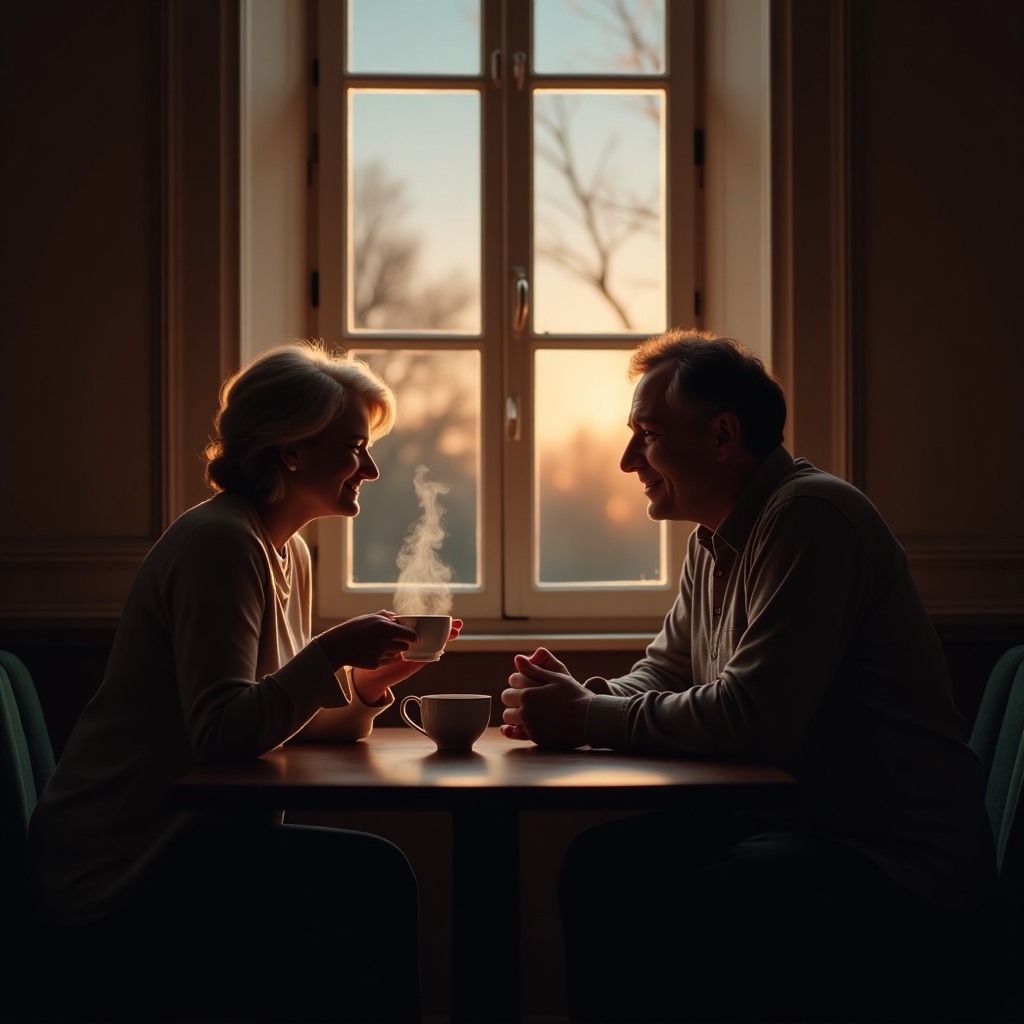
They sat in their usual spots, tea steaming between them. “How’s everything, dear? With Tom?” her mother asked, her words dripping with the unspoken assumption that everything should be perfect.
Mia hesitated, her teacup suspended mid-air. “It’s fine,” she said, forcing a smile. “He’s busy, you know. But things are okay.”
Her mother nodded, satisfied. “Good, good. You have to keep things smooth, Mia. A good wife makes sure her husband is happy.”
Mia nodded, the familiar mantra playing in her mind like a broken record. A good wife, a good daughter, a good woman.
As Mia left her mother’s house, a sense of disquiet settled over her. The evening air was crisp, and as she walked, she began to notice the colors in the sunset, the vibrancy that she routinely overlooked. The world seemed to breathe differently today.
Back home, she found herself standing in front of the mirror. She searched her reflection for something she had lost over the years, a spark she vaguely remembered from her youth.
“Who are you, Mia?” she whispered to herself. The woman in the mirror didn’t answer, but the question lingered.
A few days later, while browsing through a forgotten drawer, she stumbled upon an old journal. Its pages were filled with dreams and aspirations she once had. Reading through it, she felt a pang of sorrow for the girl who used to write so passionately about traveling the world, painting, and embracing life without fear.
That evening, as Mia sat across from Tom at dinner, the silence between them felt different—not oppressive, but expectant. “Tom,” she began, her voice tinged with hesitation.
He looked up from his plate, surprised. “Yes?”
She took a deep breath. “I want to start painting again. Maybe take a class or something.”
Tom blinked, processing her words. “Painting? I thought you gave that up.”
“I did, but I miss it. I want to do something for myself.”
There it was—a small step, but monumental in its significance. Her words hung in the air, a declaration of her intent.
Tom nodded slowly. “If it makes you happy,” he said, his voice uncertain, but not dismissive.
Mia felt a flicker of warmth inside her, a quiet revolution stirring her soul. She had spoken for herself, a simple act that rippled through her being with profound impact.
For weeks, Mia attended her painting class, gradually rediscovering the joy and freedom she thought she had lost. The studio became her sanctuary, a space where she could explore the facets of her identity that had been dormant for too long.
One evening, after class, she stood before a canvas, her brush poised to bring life to the blank surface. As she painted, colors danced and blended with a rhythm that was hers alone.
In that moment, Mia understood that reclaiming her autonomy wasn’t about dramatic upheavals. It was in these quiet acts, these small affirmations of self, that she found liberation.
She smiled to herself, feeling a connection to the woman she was becoming—a woman who, at last, was beginning to live for herself and not just through the reflections of others.