


In the heart of a small, bustling town nestled between lush hills and sun-drenched fields, Aisha found herself at a crossroads. Her life had been a mosaic of color and tradition, each piece carefully placed by the generations before her. Yet, somewhere in the symphony of familial expectations, Aisha’s own melody felt muted.
Aisha was the youngest daughter of the Rahman family, who had lived in the same stately old house for decades. The house was more than a structure; it was a repository of memories, a place where whispers of the past lingered in the jasmine-scented air. The Rahman family was woven deeply into the fabric of the town, held together by threads of tradition and duty.
Her parents, particularly her mother, held firm beliefs about what life should be. Often, her mother spoke of honor and respect, ideals passed down from her own mother and grandmother. Aisha grew up under the weight of these ideals, learning to navigate the intricate dance of expectations without stepping out of line.
Despite this, Aisha’s internal world was vibrant and filled with thoughts of exploring beyond the confines of what was set before her. She dreamed of pursuing art, a passion that had always been a quiet rebellion against her family’s wishes for a more conventional career. It was in the private corners of her mind that she allowed herself to imagine a life painted in her own colors.
Aisha’s struggle was not against people but rather against the silent expectations that seemed to envelop her. Each day, she felt the pull between who she was expected to be and who she yearned to become. This tension simmered beneath her daily routines, a quiet storm of uncertainty.
Conversations at the dinner table often turned to marriage and stability, topics that left Aisha feeling like an actress in a role she had not chosen. Her father would smile warmly, recalling fondly how he had met her mother, while her brothers nodded along, already tethered to their own paths.
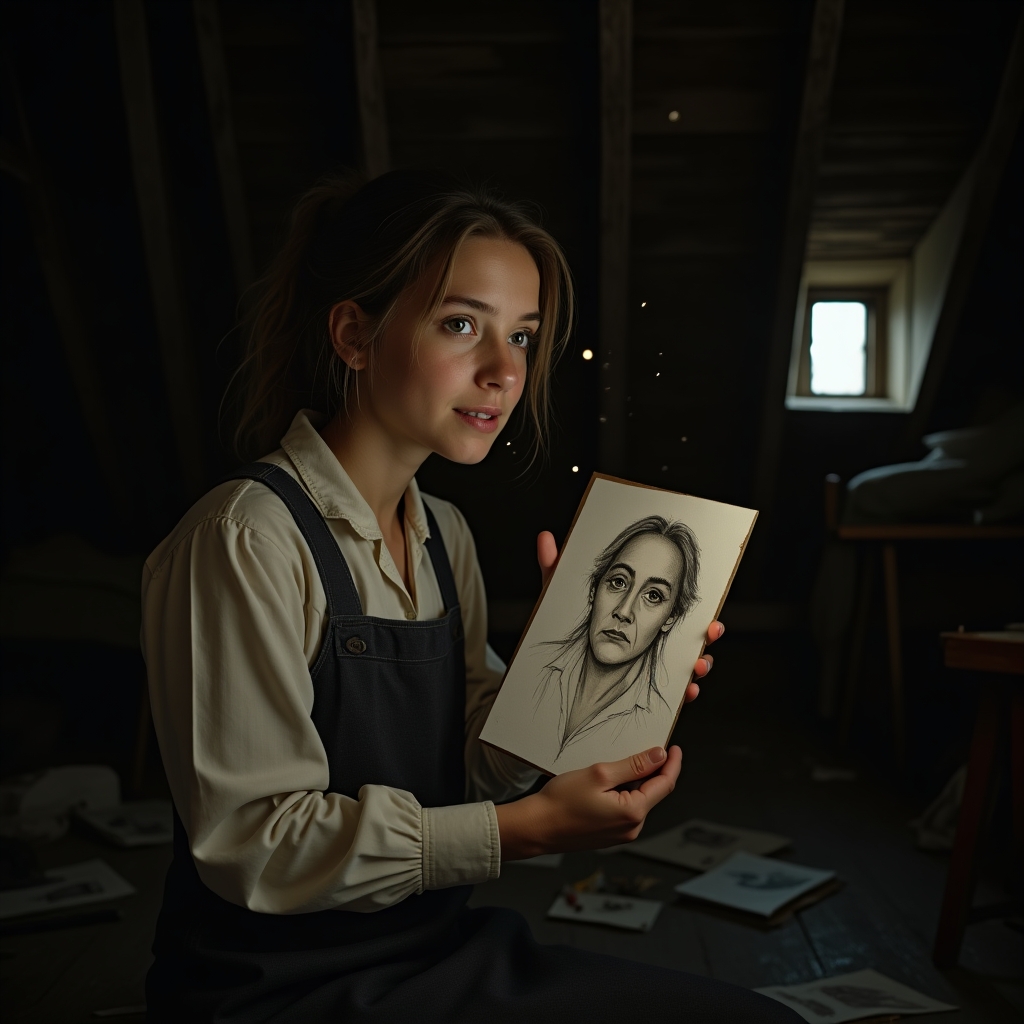
Her secret solace was the attic, a forgotten corner of the house filled with dust and forgotten treasures. Here, Aisha would sketch into the late hours. Her hands, imbued with a life of their own, would spill onto the canvas images of the world as she wished to see it—bold, unrestrained, and full of light.
It was during one of these solitary nights in the attic that Aisha’s moment of clarity came like a gentle breeze through a tangled forest. She had been drawing a portrait of her grandmother from an old photograph—a woman she had never met, but felt intrinsically connected to through stories and whispers.
As she painted, she imagined her grandmother’s life, wondering if she too had dreams that had been silenced by duty. This thought wrapped around her heart with a grip both tender and fierce. Aisha realized then that each brushstroke was a testament to not just her own dreams, but to the unvoiced dreams of the women who came before her.
In that quiet moment, she understood that honoring her family didn’t mean surrendering her own voice. The values her family held dear—honor, love, respect—were not chains but rather a foundation from which she could build her own structure. Her journey was not a rebellion but an evolution.
The next day, at the breakfast table, Aisha spoke softly yet firmly. “I want to pursue art,” she said, her voice steady despite the quiver of her heart. Her parents listened, surprise mingling with concern in their eyes.
Her mother spoke first, her voice layered with decades of tradition. “But, Aisha, it’s not a stable path. We want you to be secure and respected.”
Aisha nodded, understanding the love behind those words. “I can be secure and respected, but in my own way,” she replied, her hands trembling slightly under the table.
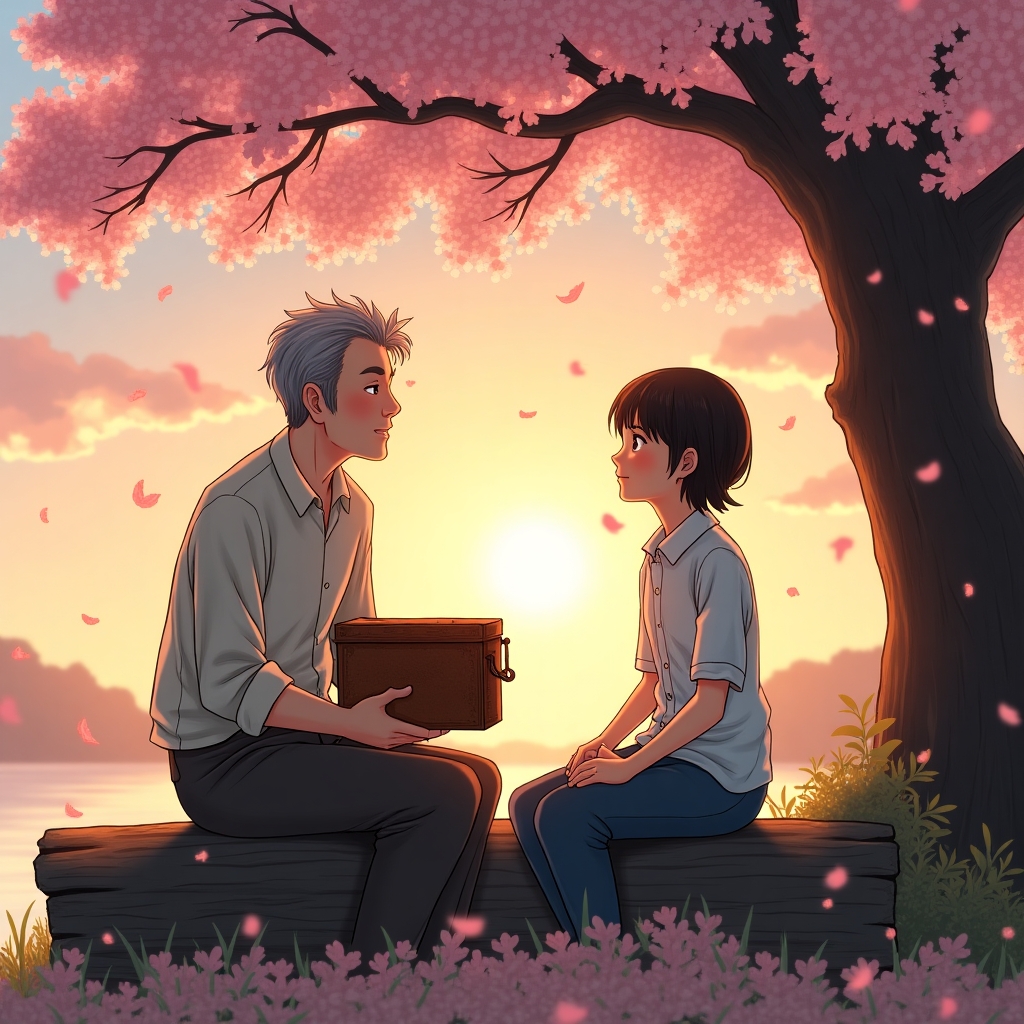
Her father, usually the stoic figure, offered a rare smile. “Your grandmother, she always had a way with colors,” he said, his voice soft with nostalgia. “You remind me of her.”
And just like that, the tension that had gripped Aisha for so long began to release its hold. It would take time, patience, and understanding, but she knew that her path was one that could honor the past while embracing the future. She realized that emotional courage was not the absence of fear but the willingness to continue despite it.
That morning, as Aisha stood in the garden, the scent of jasmine enveloping her, she felt a profound sense of connection—not just to her family, but to herself.