



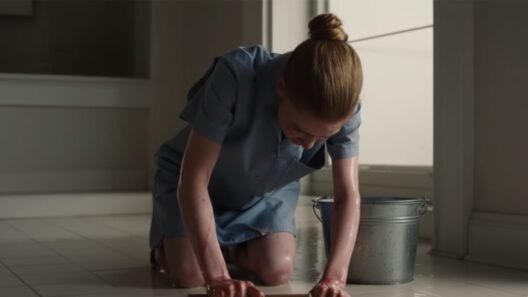
Lena stood in the kitchen, the sunlight slanting through the window, casting long shadows on the worn linoleum floor. The morning felt the same as always, yet there was a tremor of something different just beneath her skin, an unspoken longing. She flipped the pancakes, listening to the low murmur of the kettle, her husband’s voice carrying from the living room as he thumbed through the newspaper.
“Lena,” he called, “Did you remember to pull out the chicken for dinner?”
“Yes, Tom,” she replied, keeping her voice steady, masking the exhaustion that seemed to nestle deeper each day.
For years, Lena had lived in the careful predictability of routines, bending her wants and needs to the rhythms of others. Her family had always expected certain things from her—compliance, a steady smile, unwavering support—traits she had adopted seamlessly, almost by instinct.
As a child, Lena had been taught to value harmony above all else. Her mother had often said, “A woman who keeps the peace makes the home,” and Lena had internalized this as the guiding mantra of her life. But now, as she approached her fortieth birthday, she began to question whether peace was always worth the quiet erasure of her own desires.
After breakfast, she took the bus to work. The journey was a blur of grey buildings and people moving in synchronized determination. It was during these rides that Lena allowed herself to think, to imagine a life where she could speak her mind without fear of tipping the delicate balance.
At work, the day unfolded predictably. She managed the office, ensuring everything ran smoothly, a role she excelled at due to her innate ability to anticipate and meet others’ needs. Yet, even there, she often felt invisible, a part of the furniture.
“Hey, Lena,” her colleague Sarah said during lunch, looking up from her sandwich. “You ever think of going back to school or something? You’re really good at organizing, maybe management or project planning?”
Lena shrugged, masking the pang of longing that question stirred. “I don’t know. I’ve got a lot on my plate already.”
Sarah nodded sympathetically, but Lena saw the spark of encouragement in her eyes. “Well, just think about it, okay? You’ve got a knack for it.”
That evening, as she ladled chicken stew into bowls, Lena felt the weight of Sarah’s words mingling with her own repressed dreams. She had always put off any personal ambitions, convinced they were indulgences that others couldn’t afford.
After dinner, as Tom watched television, Lena slipped out onto the porch. The air was cool, brimming with the scent of impending rain. Under the vast canopy of stars, she felt a tugging, a gentle insistence from something she could no longer ignore.
Her daughter, Emily, joined her, plopping down on the swing seat with a sigh. “Mom, why don’t you do something just for you? Like take a class or go on a trip?”
Lena laughed softly, running a hand through Emily’s hair. “Oh sweetie, there’s always so much to do…”
“But you could,” Emily insisted stubbornly. “You’re always helping everyone else. You deserve it.”
Lena stared up at the sky, the stars obscured by clouds that promised rain. Maybe she could. Maybe it was time to stop worrying about disrupting the peace and start considering what it would mean to find her own.
That night, she dreamt of open roads and endless skies, of libraries filled with books she hadn’t read, and cafes where she could sit for hours undisturbed. When she awoke, the feeling lingered—a mixture of fear and exhilaration.
The next day brought unexpected confrontation. As she was cleaning up after breakfast, Tom remarked offhandedly, “Maybe you should cut down on your hours at work. You’re always so tired.”
It was a simple suggestion, made in passing, but it snapped something in Lena. “I’m tired because there’s more to manage than just work, Tom,” she said, her voice firmer than she’d intended.
Tom looked taken aback. “I just thought…”
“I know what you thought,” Lena interrupted, surprised by her own boldness. “But I need to do something that’s just for me. I’m thinking about taking a class. Sarah mentioned management or project planning.”
His silence was palpable, a weight between them. But for once, Lena didn’t rush to fill it. She let it sit, giving him time to process, giving herself time to breathe.
Finally, he nodded, a slow, reluctant motion. “Okay. If that’s what you want.”
And it was. It was exactly what she wanted.
Lena moved through the day with a newfound lightness, the act of voicing her desire a transformative liberation. The world had not ended; the sky had not fallen. Instead, she had carved out a small space for herself, a declaration that her needs were just as important.
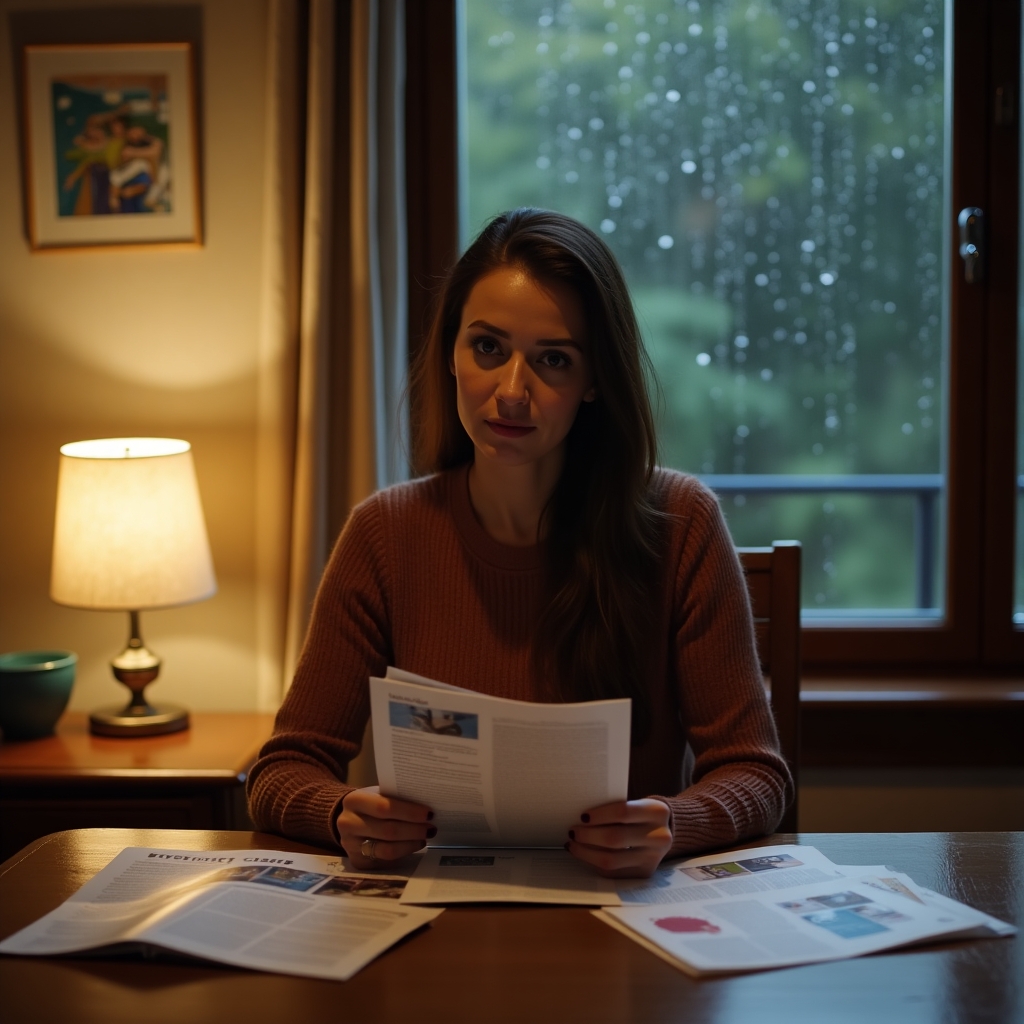
That evening, she sat at the dining table with a stack of brochures for evening classes. The choice felt like an invitation to a future she had almost forgotten to imagine.
As she circled a management course, a smile played at the corners of her lips. Lena realized she wasn’t just reclaiming autonomy; she was rediscovering herself.
It wasn’t a revolution; it was a quiet evolution, as gentle and insistent as the rain that began to fall outside.