Elena sat on the edge of her bed, staring at the walls of her room. They were adorned with family photographs, reminders of the legacy she was expected to carry. Her grandmother’s eyes followed her from the faded picture in the mahogany frame; they were eyes full of hope and pride, enough to make Elena’s chest tighten with a sense of duty she had yet to fulfill.
Elena came from a long line of accomplished musicians. Her family’s roots stretched back to a renowned violinist in a small village in Italy who had taught his craft to his children. The tradition was passed down relentlessly across generations, like an heirloom. To her family, music wasn’t merely a form of art; it was a testament to their identity, their perseverance, their unity.
Yet, as much as Elena respected this tradition, she harbored a secret passion for painting. The mere act of placing brush to canvas unleashed a freedom she never felt with the violin. Each color evoked emotions she couldn’t quite express with notes and scales. This passion, however, was considered a mere hobby in her household, a distraction from the noble path of a musician. Her parents, while loving, were firm in their expectations.
The pressure intensified as she was accepted into the prestigious Conservatory of Music, a dream her family had for her long before she understood its weight. Elena’s days were filled with practice sessions, master classes, and performances. The routine was suffocating, yet voicing her discontent felt like an act of betrayal.
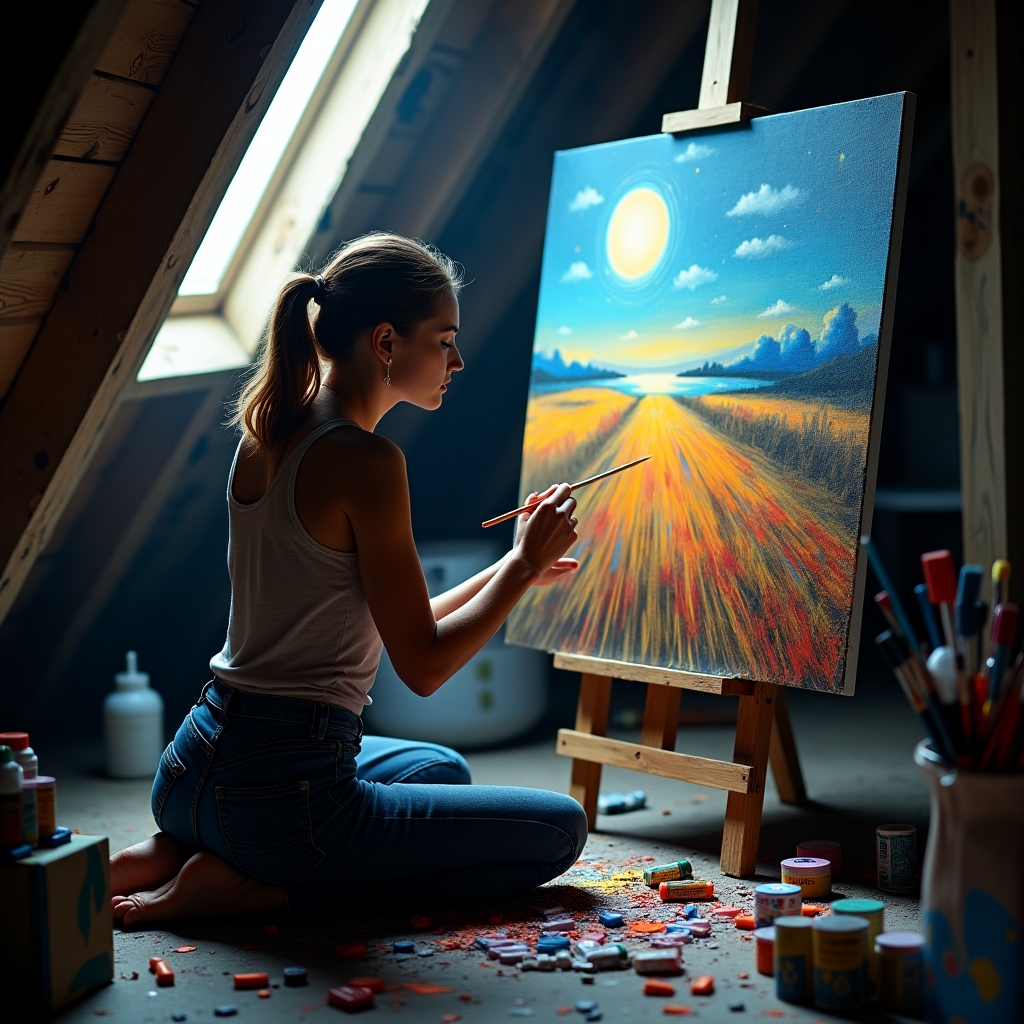
In moments of quiet solitude, she would sneak into her small attic studio and paint until dawn. These moments were her sanctuary, where the world fell away, leaving only the whisper of her thoughts and the rhythm of her heart. With each stroke, she painted her hopes, her fears, and her truth.
The subtle tension between duty and desire gnawed at her, a gentle but persistent reminder of the choices she was expected to make. Her friends noticed her growing reticence, mistaking it for preoccupation with her studies rather than the internal struggle it truly was.
It was during one of her visits to her grandmother, whom everyone affectionately called Nonna, that the emotional clarity Elena needed finally emerged. Nonna sat in her garden, her hands busy knitting a blanket of vibrant colors. Elena found comfort in her presence, even when words were sparse. She watched Nonna for a while before posing a question that had long lingered in her mind.
“Nonna, did you ever want to do something else? Besides music, I mean.”
Nonna paused her knitting, her eyes softening as they met Elena’s. “Ah, mia cara, there was a time I wished to see the world, to paint the places I would visit. But life had other plans, and I found beauty in what I did.”
Elena nodded, not quite satisfied but comforted by the wisdom in her grandmother’s words. Yet, a deep yearning still echoed within her.
For weeks afterward, Elena grappled with her emotions. She feared disappointing those she loved, losing the approval she had always cherished. But with every painting she created in secret, she felt closer to a truth she couldn’t ignore.
Her turning point came unexpectedly during a late-night concert rehearsal. As the orchestra played, Elena’s mind drifted to a canvas she had been working on, an abstract landscape embodying both chaos and harmony. The thought filled her with a sense of urgency she couldn’t suppress.
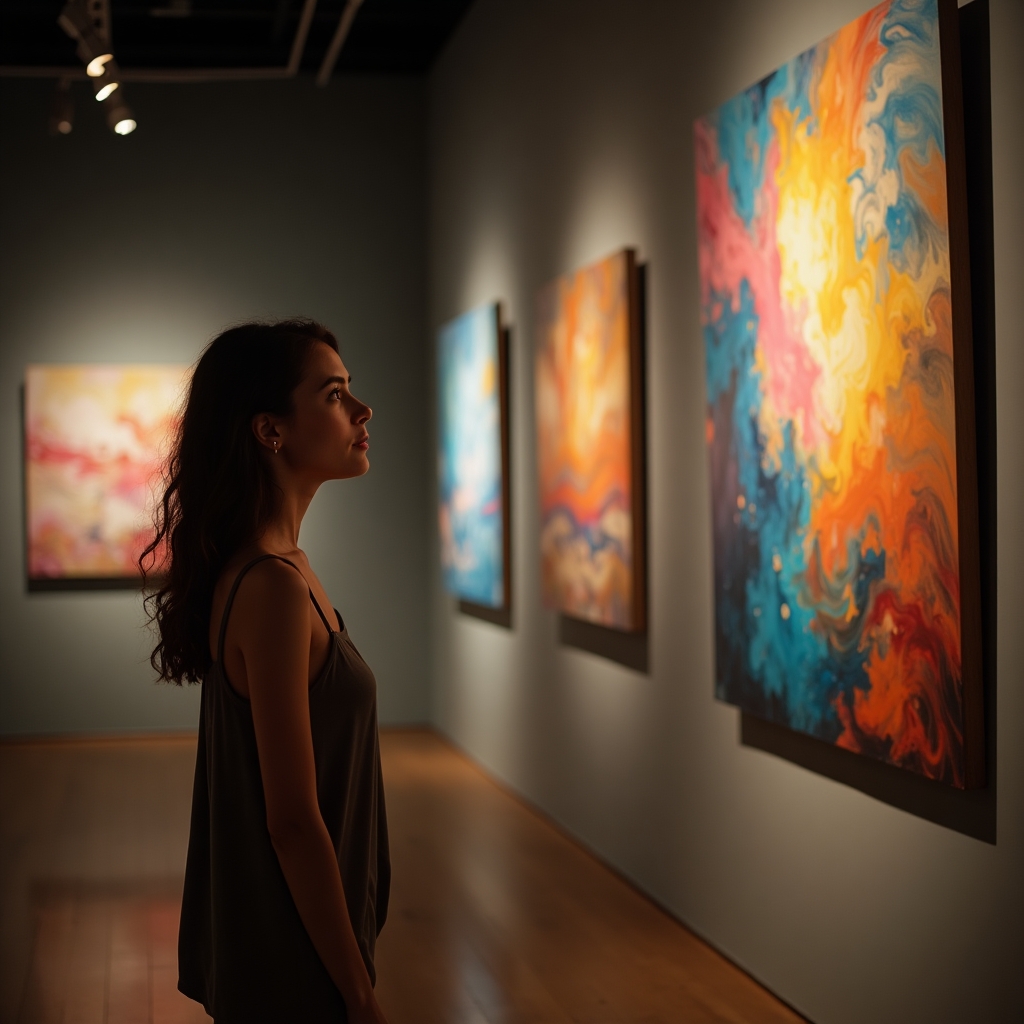
During the intermission, Elena slipped away, her heart pounding as she made her way back to her attic studio. She grabbed her brushes and began to paint with a fervor she hadn’t known before. The colors were vivid; they sang with the voice she had long suppressed. In that moment, Elena realized that she wasn’t choosing between her family and herself; she was finding a way to honor both.
The next morning, Elena knew what she had to do. She invited her parents to her studio, showing them the paintings she had hidden. Her heart raced as she explained how painting made her feel alive, how it was as much a part of her as music was.
Her parents’ reactions were a mix of surprise and contemplation. Her mother touched the edge of a canvas, her expression a blend of curiosity and concern. Her father was silent, his thoughts unreadable.
It was Nonna who broke the silence. She had followed her family to the studio, her presence a silent support. “To create is to be free, Elena. Remember that. We carry our ancestors in our hearts, but we must carve our own path.”
Her grandmother’s words were the validation Elena needed. Tears of relief filled her eyes as her parents slowly began to understand. They saw the passion in her work, felt the sincerity in her voice.
In the weeks that followed, Elena found a balance between her family’s expectations and her own dreams. She continued her musical studies, but with an openness to incorporate her love for painting.
The emotional clarity she experienced during her moment in the studio transformed her understanding of loyalty—not just to her family, but to herself. It was a journey of generational healing, where the past met the present in a harmony that embraced both tradition and new beginnings.
Elena knew that the road ahead wasn’t devoid of challenges, but she had found her truth and the courage to pursue it. And in doing so, she honored both her heritage and her heart.