

The town of Ashfield lay in the quiet embrace of evergreen hills and the gentle murmur of the river that wound through its heart. Yet, nestled within this serene beauty was a quiet tension, a web of expectations that bound its residents, especially for those like Emma Liu.
Emma was twenty-three, with a mind that fluttered like pages caught in the wind, yearning to write their own story. She lived with her grandparents, nestled in the old Liu home, a structure that had stood firm against time, much like the traditions it symbolized. Emma respected their wishes, often finding herself mired in a gentle but persistent conflict between her aspirations and the family’s expectations.
Her grandparents had left China decades ago, yet their hearts remained tied to the land they had once called home. They carried with them traditions and dreams that they hoped would be passed on, not altered by foreign influence. As the first in her family born outside China, Emma was expected to carry these traditions forward, the burden of which grew heavier with her own dreams of becoming a writer.
During the day, she worked at a small bookstore, a place that smelled of leather and ink, where stories danced between the shelves. The store was a haven, a place where she could escape into worlds crafted by others, but also where the pangs of her own unwritten stories echoed loudest.
The evenings were spent at home, where duty called more insistently. Emma often found herself in the kitchen, kneading dough beside her grandmother, who spoke in hushed tones of sacrifices and familial duty. These conversations were woven into the air with the aroma of spices, threading through the silence.
“You know, Emma,” her grandmother would say, her hands moving with practiced ease, “our ancestors live in what we do. Every dish we prepare, every tradition we keep, it is how we honor them.”
Emma nodded, her hands mirroring the movements she had been taught. But within, a different rhythm pulsed—a desire to honor her ancestors in her way, through words and stories, not just recipes and rituals.
There were also her parents, voices over the phone, reminding her of the sacrifices they made, the opportunities she had. “You can be anything you want,” her mother would say, laced with unspoken hopes.
But what Emma wanted was layered with complexity. She dreamed of writing stories that bridged cultures, stories that spoke to the human heart beyond boundaries. Yet, her love for her family, their sacrifices and hopes, weighed heavily upon her.
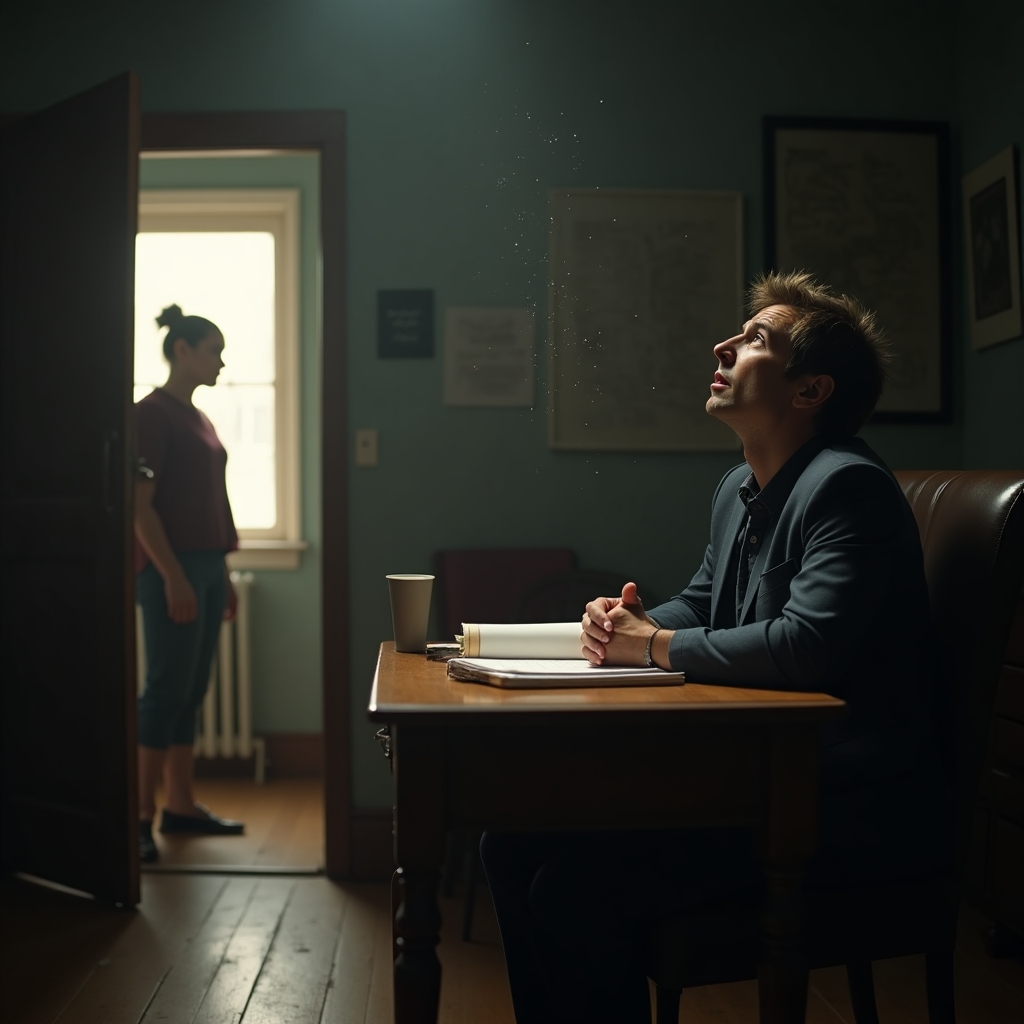
The tension was subtle, a silent tug-of-war that played out in the quiet moments. It was in the way she hesitated over a blank page, or how she sighed with an unspoken wish when her grandfather shared tales of their homeland.
Her emotional clarity came on a crisp autumn day, one when leaves danced whimsically around her feet as she walked home from work. The air was sharp, laced with the scent of woodsmoke, and she felt the tension of the seasons in transition mirrored within her.
Emma found herself in the old orchard behind her home, where gnarled apple trees whispered secrets through the wind. Here, she paused, the silence welcoming her into a deeper understanding.
She sat beneath one of the trees, her back against its sturdy trunk, and closed her eyes. Images flickered behind her lids—her grandmother’s hands folding dumplings, her grandfather’s laughter, the voices of her parents echoing across miles, and her own voice, quiet yet persistent, urging her toward a different path.
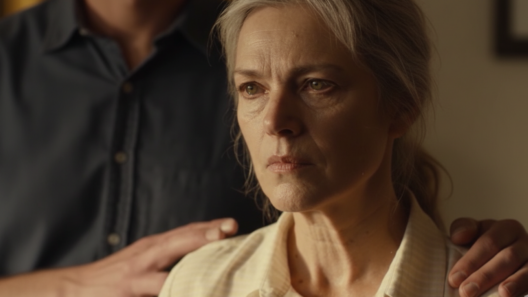
In that stillness, Emma realized the threads binding her were not chains, but connections. They were the foundation she stood upon, but not the ceiling of her dreams. The depth of her love for her family could coexist with her dreams; one did not need to be sacrificed for the other.
She opened her eyes to the golden light sluicing through the branches and knew she had found her truth. Emma decided that she would write, not just for herself but for her family, honoring their journey while carving her own. The stories would be her threads, weaving their legacy with her aspirations.
The following weeks, as autumn deepened into winter, Emma spoke with her family. It was not a declaration but a conversation, where she shared her heart and her dreams, listening in return to their stories anew, finding places they resonated with her aspirations. The tension unraveled, replaced by a new understanding.
Emma began to write, her words becoming bridges, and for the first time, her pen flowed effortlessly.
Through this quiet journey, Emma learned that emotional courage was not the absence of fear but the capacity to move forward in spite of it. She embraced loyalty not as a duty, but as an unwavering commitment to those she loved, including herself. And in doing so, she laid the groundwork for generational healing, bridging the past with the possibilities of the future.