
The day began like any other in the village of Chinarun, nestled between rolling hills and whispers of ancient stories carried on the winds. Asha stood by the window, peering out at the fields where golden grains swayed, nodding to the rhythm of traditions that had woven the fabric of her existence. Her fingers traced the intricate patterns of her grandmother’s saree, draped neatly over the table—a silent reminder of the legacy she was expected to uphold.
To the villagers, Asha was a promising young woman, the pride of her family. She bore the weight of their hopes with grace, like chiseled stone that stood resilient against the test of time. But beneath the stoic exterior, a storm quietly broiled.
Asha’s family had long been revered for their contributions to the arts, their lives entwined with music and dance that spoke to the soul. Her parents, renowned performers, had dedicated their lives to preserving the cultural heritage and expected Asha to follow suit. She had shown talent from a young age, her steps light and precise, her voice a ripple on the surface of a still pond.
Yet, as Asha grew, she found herself drawn to a different rhythm, one that whispered of the unknown and the uncharted. She longed to explore beyond the boundaries of the village, to study and create in ways that defied the traditions she cherished. But each time the thought arose, guilt followed, relentless as the tide.
She had spent years perfecting her craft, her heart both in it and away from it. Her parents never questioned her dedication, never saw the conflict hidden behind her serene smile. Her turmoil was a shadow dance, an expression of silent resistance she feared to articulate.
Every morning, Asha practiced with her father, the rhythmic beats echoing through their home. The dance was beautiful, a language spoken without words, but she felt something missing—a freedom she yearned for but couldn’t name. She watched her father glide across the floor, a figure of grace and tradition, and wondered if she could ever break free without shattering their shared world.
It was on a late afternoon when the village prepared for the annual cultural festival, that Asha felt the threads of her silence begin to unravel. The village square was abuzz with activity, stalls lined with colorful fabrics and fragrant delicacies. Asha moved through the crowd, her heart heavy with the weight of unspoken dreams.
She found a quiet corner near the edge of the square, where an elder sat weaving tales with his words, capturing the attention of a small group of children. The stories of distant lands and daring adventures stirred something within her—a longing to add her own chapter to the narrative.
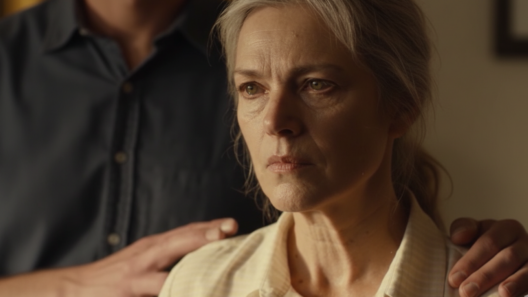
Hours passed, and as dusk settled over Chinarun, the festival’s main event commenced. Asha stood backstage, her parents by her side, ready to perform. Her father’s hand rested on her shoulder, a gesture of pride and expectation.
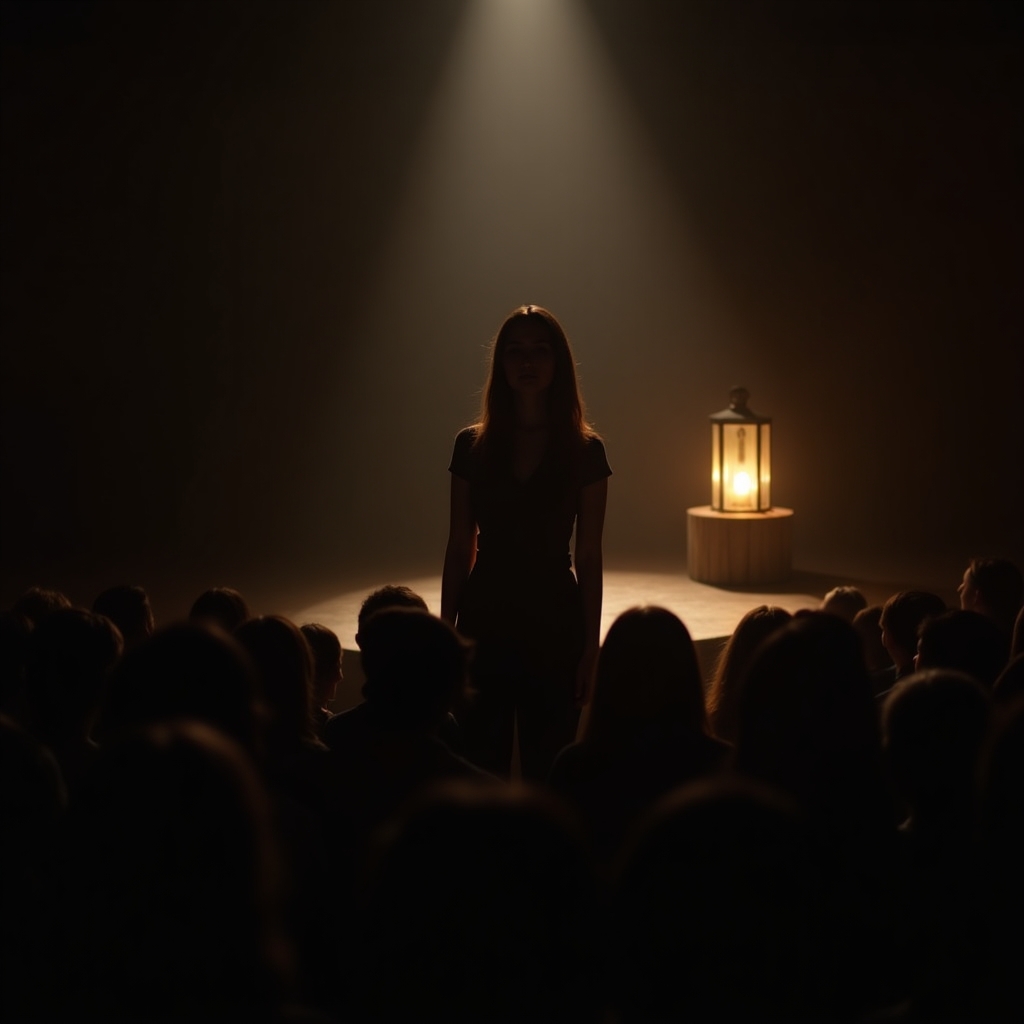
As she stepped out onto the stage, bathed in the warm glow of lanterns, Asha was met with familiar faces, eyes shining with anticipation. She began to dance, her movements fluid and precise, guided by years of practice.
But as the performance unfolded, Asha felt an undeniable pull within her, a quiet yet powerful voice urging her to listen. The dance transformed, becoming a dialogue with herself—a conversation she had been avoiding. Her steps faltered, just for a moment, but in that hesitation, a decision was forged.
In the stillness that followed the final note, Asha stood, breathless and vulnerable, her eyes scanning the crowd. She saw her mother, her expression one of pride laced with confusion, and her father, his eyes a mirror of her own inner turmoil.
It was then, as if time had paused, that Asha understood what she needed to do. The fear that had gripped her heart loosened its hold, replaced by a quiet certainty.
After the applause faded and the crowd dispersed, Asha approached her parents. Her voice trembled, not with fear, but with the weight of sincerity.
“I love our traditions,” she said, her words steadying as they found their rhythm. “But I feel a pull towards a different path—a journey that’s mine to make.”
Her parents listened, their expressions a tapestry of emotions—surprise, concern, and something else. Asha felt the shift, a door opening, inviting understanding and acceptance.
In that moment, the silence that had bound her began to unravel, replaced by a dialogue of healing—a bridge between generations, built on love and courage.
The village of Chinarun, with its timeless hills and stories, watched as Asha embarked on a new journey. Her steps, once heavy with the weight of expectation, now carried the lightness of truth.
Her path was not without its challenges, but it was one she walked with a heart unburdened by the shadows of silence.
And in that journey, Asha found her place, where tradition and individuality danced together, weaving a new narrative that honored the past while embracing the future.