Amid the bustling streets of San Francisco, where cable cars clanged up steep hills and the scent of salty sea air mingled with city smells, Arun Patel lived a life at a crossroad. The third-generation Indian American, Arun was caught between two worlds—one rooted in his family’s rich cultural heritage and the other steeped in the modern ethos of individualism.
Every Sunday, the Patel family gathered in their family home, an oasis of Indian culture marked by jasmine blooms and saffron-infused dishes. The walls were adorned with portraits of ancestors who had carried the family’s dignified past through various migrations. Arun’s grandmother, a beacon of tradition, would tell stories of their lineage with pride, detailing the heroic feats of forebears who had paved the way for the life they now enjoyed.
Yet, as Arun navigated the path from adolescence to adulthood, those stories felt like weights instead of wings. He was drawn not to the steady and predictable force of tradition, but to the swirling currents of change and self-discovery. Arun was an artist at heart, his world colored with the shades of innovation and creativity, always looking at the world through the lens of possibility rather than constraint.
The quiet tension persisted in Arun’s life like an unending symphony of dissonance. At family dinners, the conversations flowed with ease until they turned to Arun’s future. His father, an accomplished engineer, expected Arun to follow a stable career path—perhaps engineering or medicine, something secure and respectable. His mother, with her gentle encouragement, echoed the same sentiments but with a softer approach, often saying, “It’s about what’s best for you, beta.”
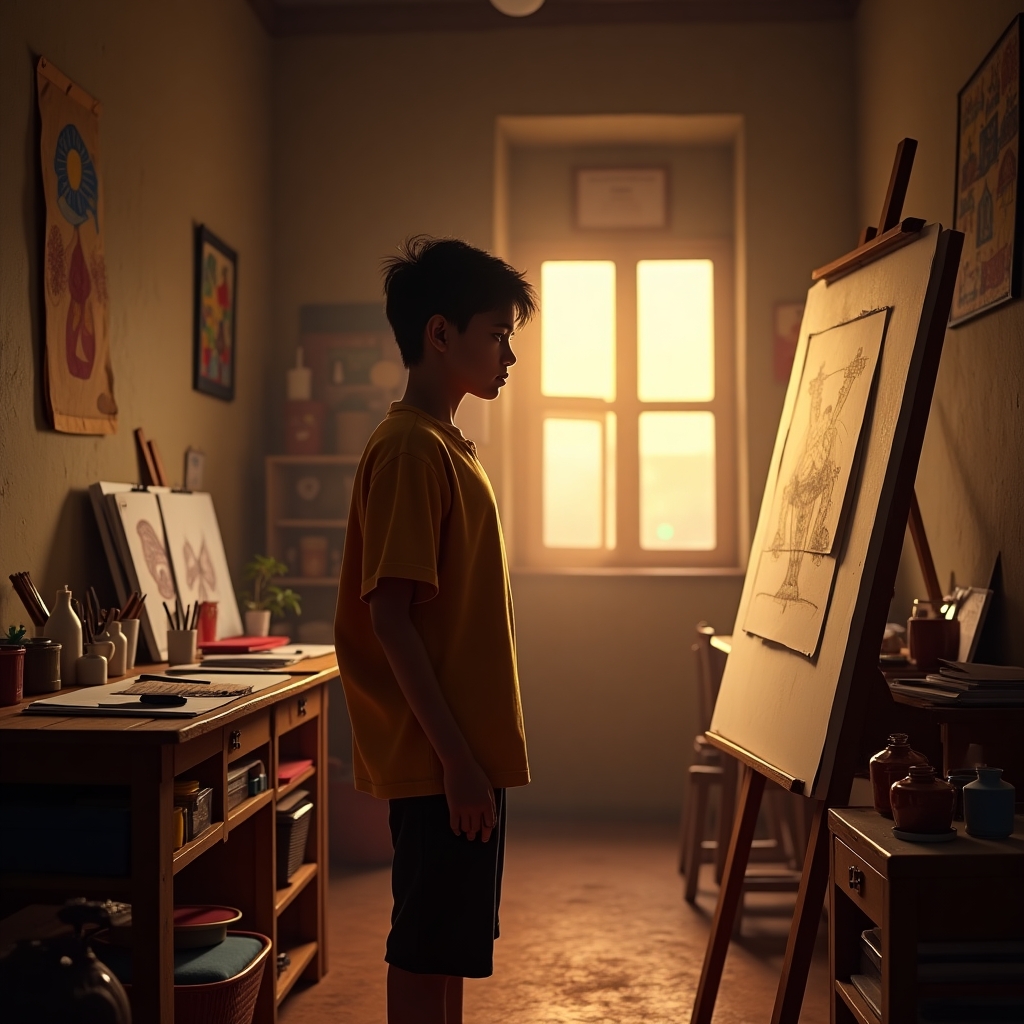
Arun’s inner world was a landscape of competing narratives. On one side, he felt the pull of his parents’ aspirations, their hopes mirrored in the eyes of their community. On the other side lay a burgeoning desire to carve his own path, to express himself in ways that felt authentically him. He would sketch for hours, his hands moving feverishly over paper, lines forming into visions of worlds yet unseen.
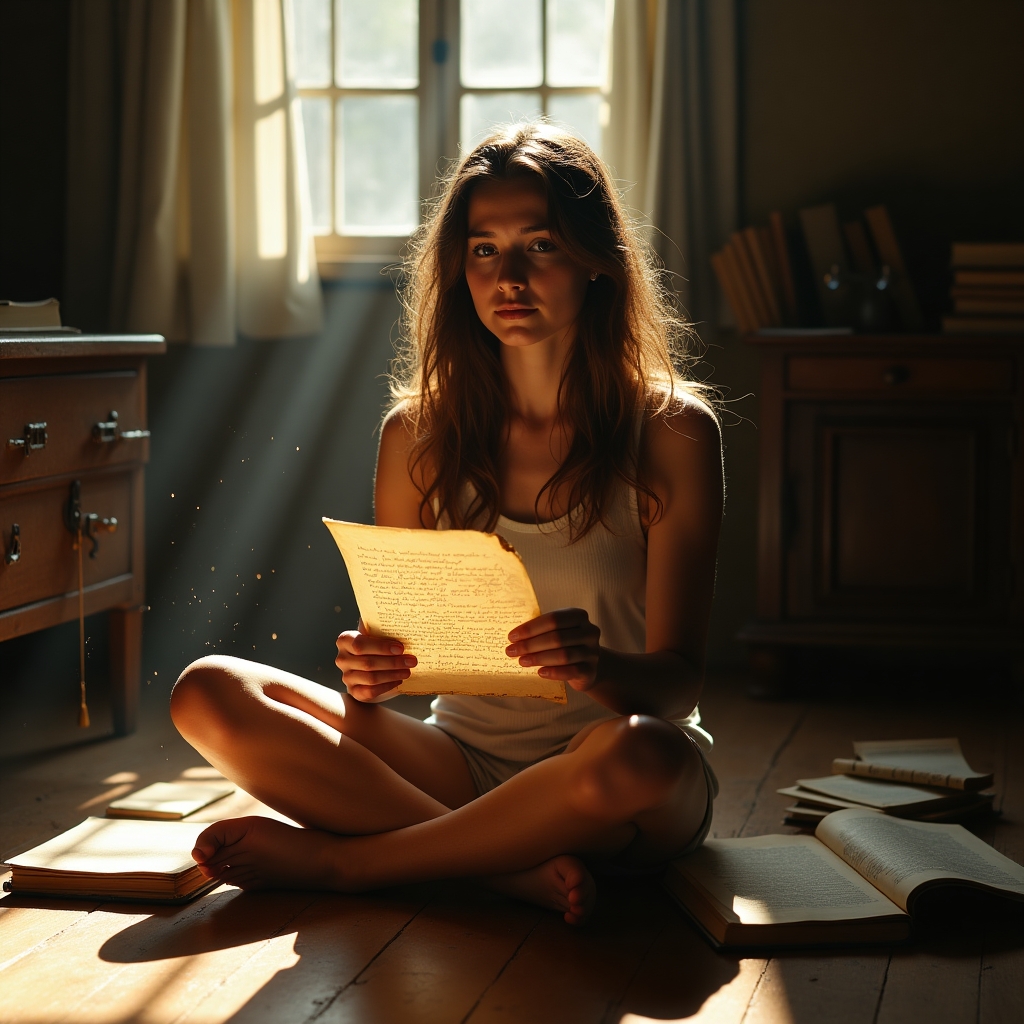
Weeks turned into months, and the weight of expectation bore down on him, a quiet storm building within. Arun found solace in his art, yet it often felt like a secret lover he could never fully claim. He would attend gallery shows in hidden corners of the city, his heart fluttering with inspiration and angst, knowing his parents wouldn’t understand this world he longed to be part of.
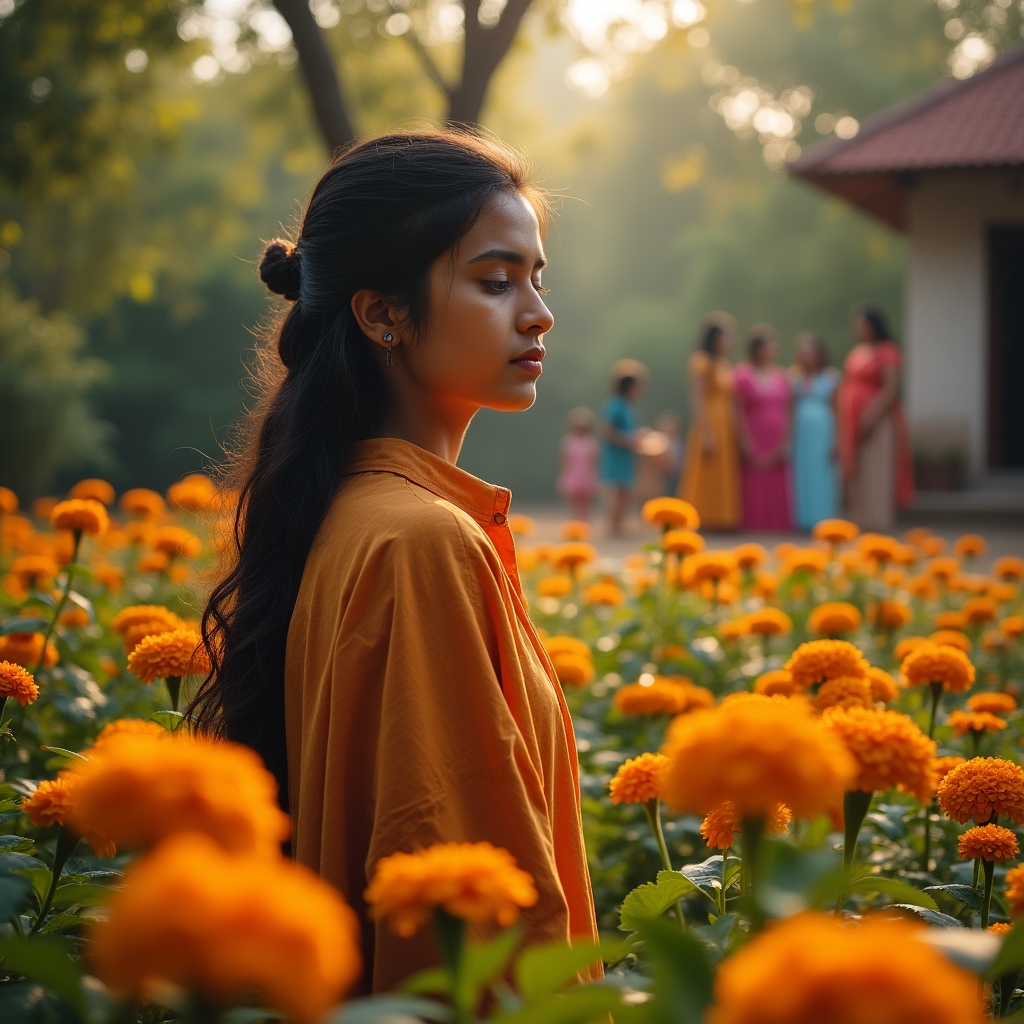
The turning point came on a summer evening when the family gathered to celebrate his sister’s engagement. The house was alive with laughter and the smell of marigolds, and Arun found himself standing on the periphery, watching the scene unfold like an outsider looking in. It was then that his grandmother approached him, her eyes wise with the experience of generations.
“You’re quiet tonight, Arun,” she said, her voice a soft melody amidst the clamor.
“Just thinking,” he replied, a vague smile playing on his lips.
“Thinking is good,” she nodded, her gaze penetrating yet kind. “But remember, beta, life is not meant to be lived in shadows.”
Her words lingered in the air, wrapping around him like a gentle yet insistent embrace. That night, Arun couldn’t sleep. He lay awake, his mind weaving in and out of consciousness, until clarity came like the first light of dawn breaking through darkness. He understood then that living in shadows was not just about hiding his passion but also denying the very essence of who he was meant to be.
The following morning, Arun approached his parents, his resolve firm and his heart racing like a drumbeat in his chest. Sitting them down amidst the quiet hum of the city waking up, he finally spoke his truth.
“Mom, Dad,” he began, his voice steady yet soft, “I love you both so much, and I truly understand all you’ve done for me. But I need to follow my heart. I want to pursue my art, not just as a hobby but as my path.”
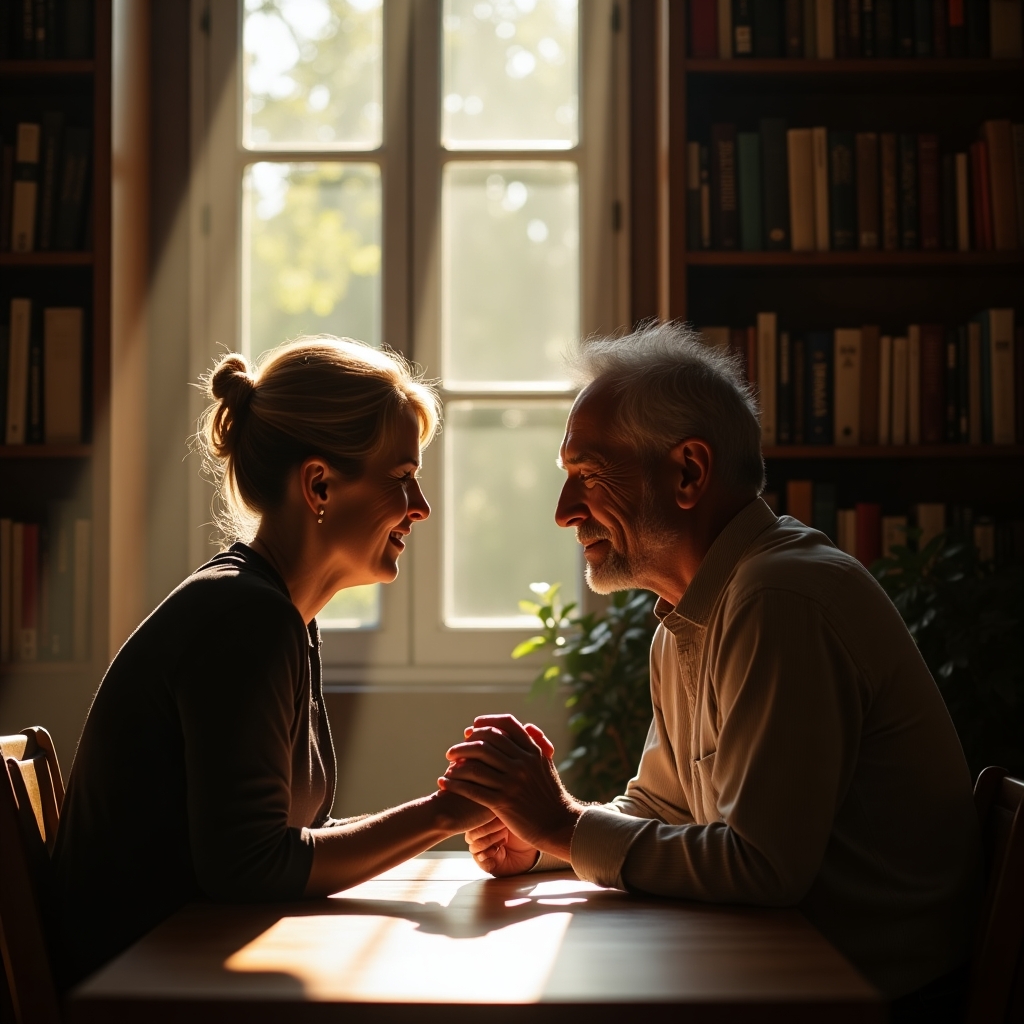
There was silence, an almost sacred pause where time seemed to stretch. His father looked at him, a mixture of surprise and understanding, while his mother, with tears in her eyes, nodded slowly.
“We want you to be happy, Arun,” his father finally said, his voice tinged with the weight of unspoken acceptance and love. “Just promise you’ll be serious about it, as you would any other career.”
That morning marked Arun’s emotional clarity—a declaration of self that resonated beyond words. It was not a break from his family but rather a deepening of his own narrative within the tapestry of his heritage.
In the months that followed, Arun found himself at his easel, painting not just with his hands but with his soul. His art was an exploration of identity, each stroke a dialogue between the past and the present. It was a journey of healing, not just for him, but for his family as well, as they learned to embrace the delicate balance of tradition and transformation.