


Amara stood at the edge of her grandmother’s garden, where rows of hydrangeas and marigolds leaned into the sun, their vibrant colors muted in the late afternoon light. The garden was a place of solace, a sanctuary buffered against the bustling world beyond their small suburban home. Here, the whispers of tradition and expectation seemed to mingle with each breath of the wind, brushing gently against Amara’s mind like reminders of what it meant to belong.
Her family had always placed tremendous value on togetherness, a legacy passed down through generations. Amara’s parents often recounted tales of their ancestors, who had crossed oceans and endured hardships, weaving a tapestry of resilience and unity. Yet, in this tightly knit fabric, Amara sometimes felt like a stray thread, stretching against the weave.
Every Sunday, the family gathered for dinner, a symphony of voices that crescendoed over shared stories and hearty laughter. Her parents, siblings, aunts, uncles, and cousins would fill the house with life, wrapping the air thick with warmth and familiarity. It was during these times that Amara felt the weight of unspoken expectations pressing against her, a gentle yet persistent force urging her to conform to the life paths that had been carved out before her.
Amara was an artist, a distinction viewed with both admiration and skepticism by her family. Her father would often say, “You have a gift, Amara. But remember, stability is key.” His words were echoed in the nods of relatives who had chosen more predictable careers. Yet, within Amara sparked a desire for more than just stability; she craved the freedom to explore her art, to let her brush dance unencumbered by the lines and shapes prescribed by others.
The internal struggle was a quiet yet incessant storm. Every brushstroke on her canvas was both an act of defiance and a plea for understanding. She painted late into the night, when the house was asleep and the world shrunk to the flickering halo of her desk lamp. Her paintings were vibrant, full of motion and emotion, but each stroke carried the dual weight of her love for her family and her yearning to break free from their expectations.
It was during one of these late-night painting sessions that Amara found herself staring at a blank canvas. Her mind, usually a torrent of ideas and images, felt paralyzed. She closed her eyes, hoping to find inspiration in the silence of the night. Instead, she found herself drifting to memories of her grandmother, a woman of few words but profound presence.
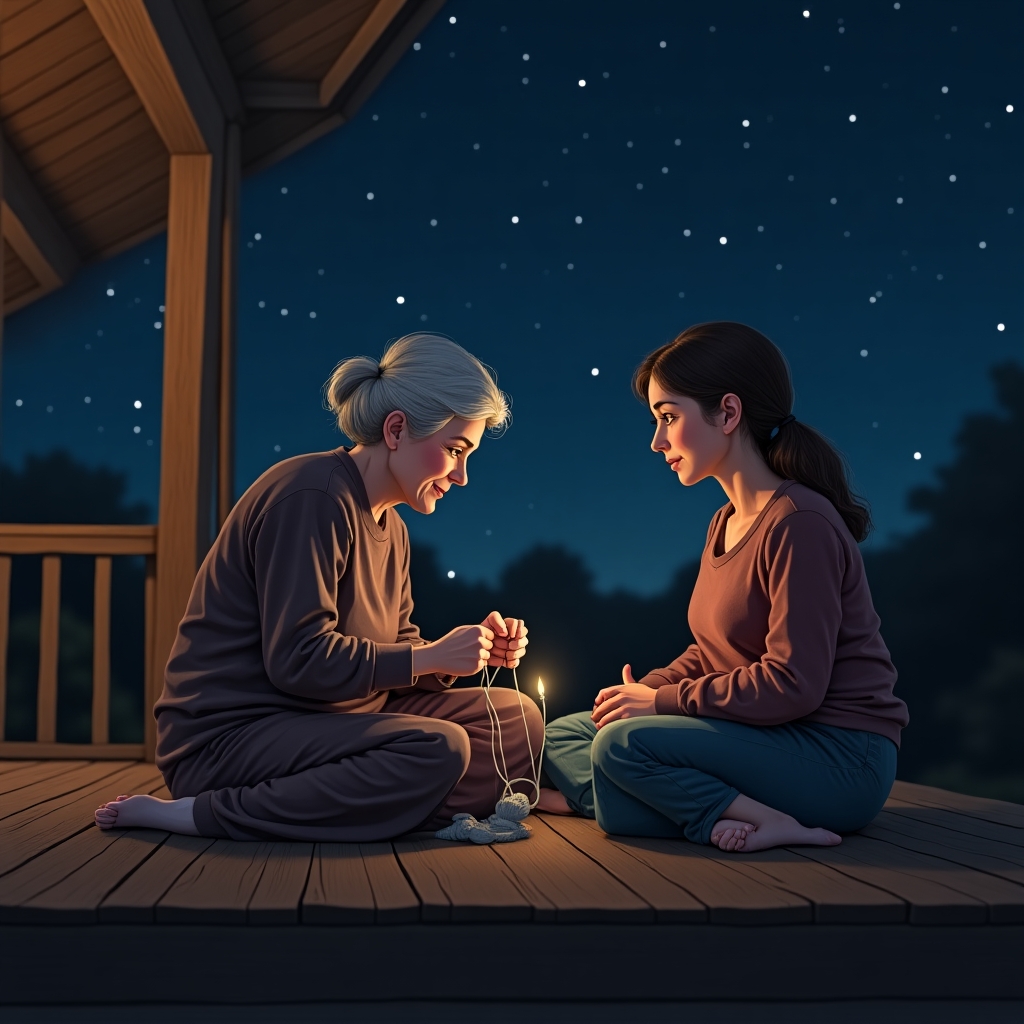
Her grandmother had been a pillar of the family’s cultural heritage, a repository of stories and customs that she shared in quiet moments, often in this very garden. Amara remembered the evenings they spent together, her grandmother’s gentle voice weaving tales of old as the scent of marigolds filled the air. Yet, there was one story that had remained untold, a narrative of her own unfulfilled dreams.
As Amara sat there, the realization washed over her like a warm tide. Her grandmother, too, had once been an artist, her talents set aside for the demands of family and tradition. It was a truth that had gone unspoken, a quiet sacrifice hidden beneath the layers of expectation.
This understanding became a turning point, peeling away the fog of indecision that had clouded Amara’s heart. She saw now that the path she longed to walk was not a rejection of her family but an extension of the courage imprinted in her bloodline. Her grandmother’s unpainted dreams whispered through the branches, urging Amara to have the emotional fortitude to embrace both her family’s legacy and her individual truth.
The next family dinner was a quieter affair, a cozy gathering as the winter chill pressed against the windows. Amara sat across from her father, the table crowded with steaming dishes and surrounded by the murmur of familial harmony. She felt a sense of calm enveloping her, a readiness to speak her truth.
“Dad,” she said, her voice steady, “I want to talk about my art.”
Her father looked up, surprise flickering in his eyes. “Of course, Amara. What’s on your mind?”
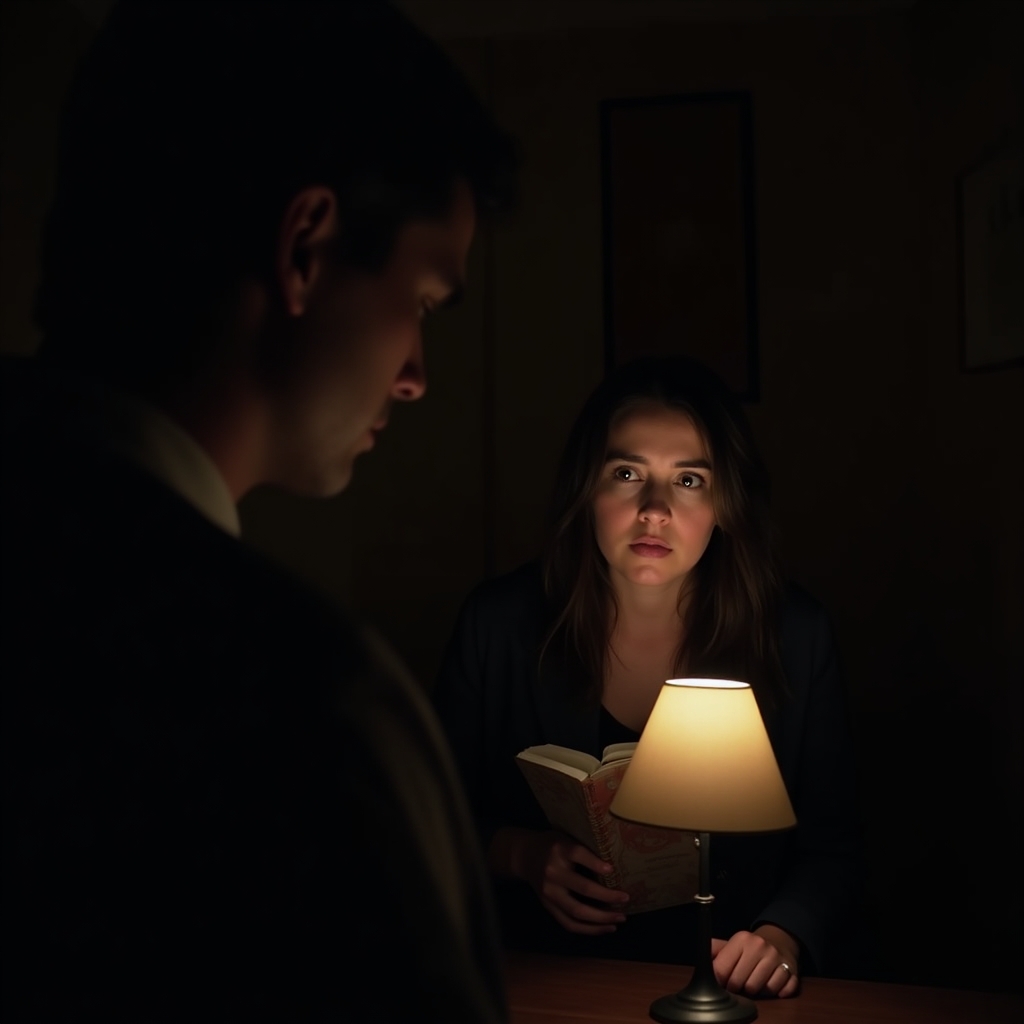
“I know we’ve always valued stability and tradition,” she began, choosing each word with care, “but I’ve realized that following my passion for art doesn’t mean I’m abandoning those values. It’s about honoring them in my own way, by pursuing something meaningful to me.”
The silence that followed was a canvas of possibilities, as her words settled into the space between them. Amara saw her father’s expression soften, his eyes reflecting a mix of emotions—pride, concern, understanding.
“Your grandmother would have loved to see you paint,” he said finally, a gentle smile breaking through. “I think she would have wanted you to find your own path, just as she wished she could have.”
The layers of tension that had quietly tethered Amara began to unravel, replaced by a newfound sense of balance. She had discovered a way to remain rooted in her heritage while reaching out to grasp her dreams, a harmony between the whispers of the past and the promise of her future.
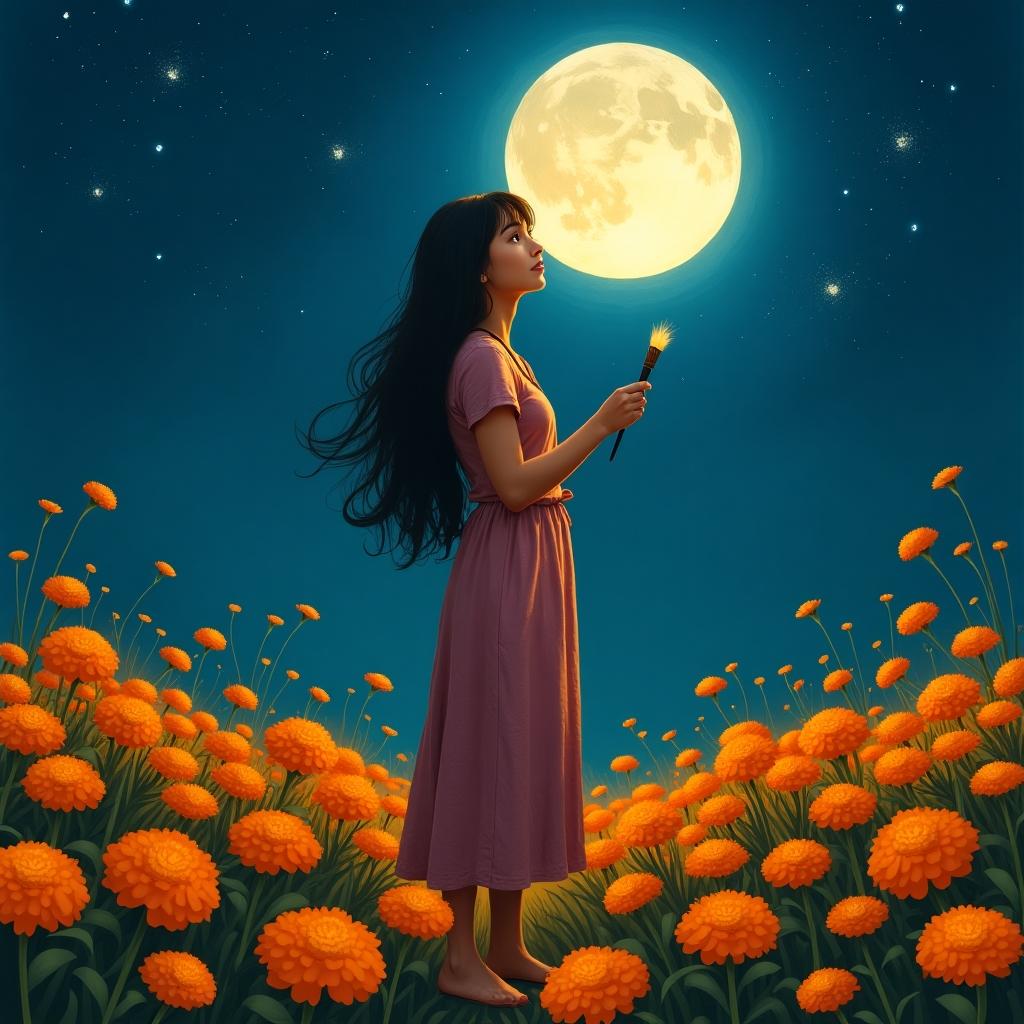
As Amara stepped back into the garden later that night, she felt a sense of liberation in the moonlit air. The marigolds swayed gently, as if in approval of her newfound clarity. Amara knew the journey ahead would have its challenges, but the quiet strength she had found in the whispers between branches would guide her through.
Beneath the starlit sky, Amara felt the weight of her grandmother’s untold story lift, replaced by the courage to tell her own.