


In the small, sun-drenched town of Solverde, nestled between the azure of the sea and the whispering pines of the hills, Elena felt the weight of generations pressing gently but undeniably upon her shoulders. The town, with its cobblestone streets winding like threads through a tapestry of pastel-colored buildings, was a place where history wove itself into the very air, an inescapable presence that colored every decision, every whispered secret, every dream.
Elena was the first child of the family to attend a university away from Solverde—a fact that was both a source of immense pride and a quiet undercurrent of tension. Her family, the Valencias, ran a modest but well-respected tailoring business. For generations, the Valencias had crafted garments with meticulous care, each stitch a testament to their craft and dedication. Her father, Miguel, had learned the trade from his father, and the expectation was that Elena, as the firstborn, would eventually take over the business.
But Elena had always been drawn to a different kind of artistry. From a young age, the vibrant colors and sweeping strokes of painting had called to her. The dusty corners of the family shop often became her canvas, much to the chagrin of her mother, Rosa, who feared the day Miguel would see the splatters of paint on the walls and the backs of shelves.
At university, Elena flourished in the art department, her professors recognizing her talent and passion. They encouraged her to explore, to push boundaries, to find her voice. Yet, with each visit home, the quiet, unspoken expectations of her family pulled at her. The family’s reverence for tradition, for continuity, was a melody that played softly but insistently in the background of her mind.
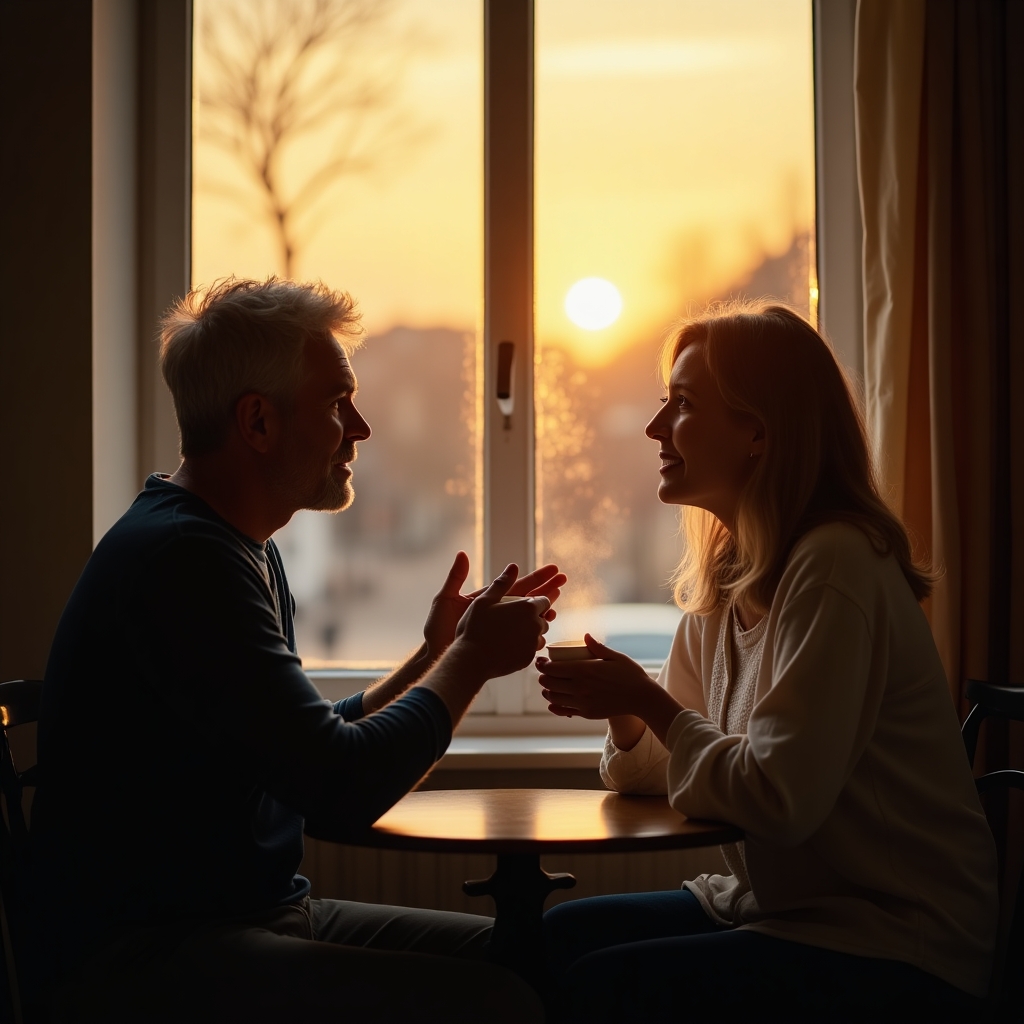
The internal conflict simmered gently, never boiling over, but ever-present. Elena loved her family deeply—her father’s warm laugh, her mother’s gentle hands, her younger brother’s bright curiosity. She knew they wanted the best for her, but their vision of ‘best’ seemed rooted in a past that could not hold her future.
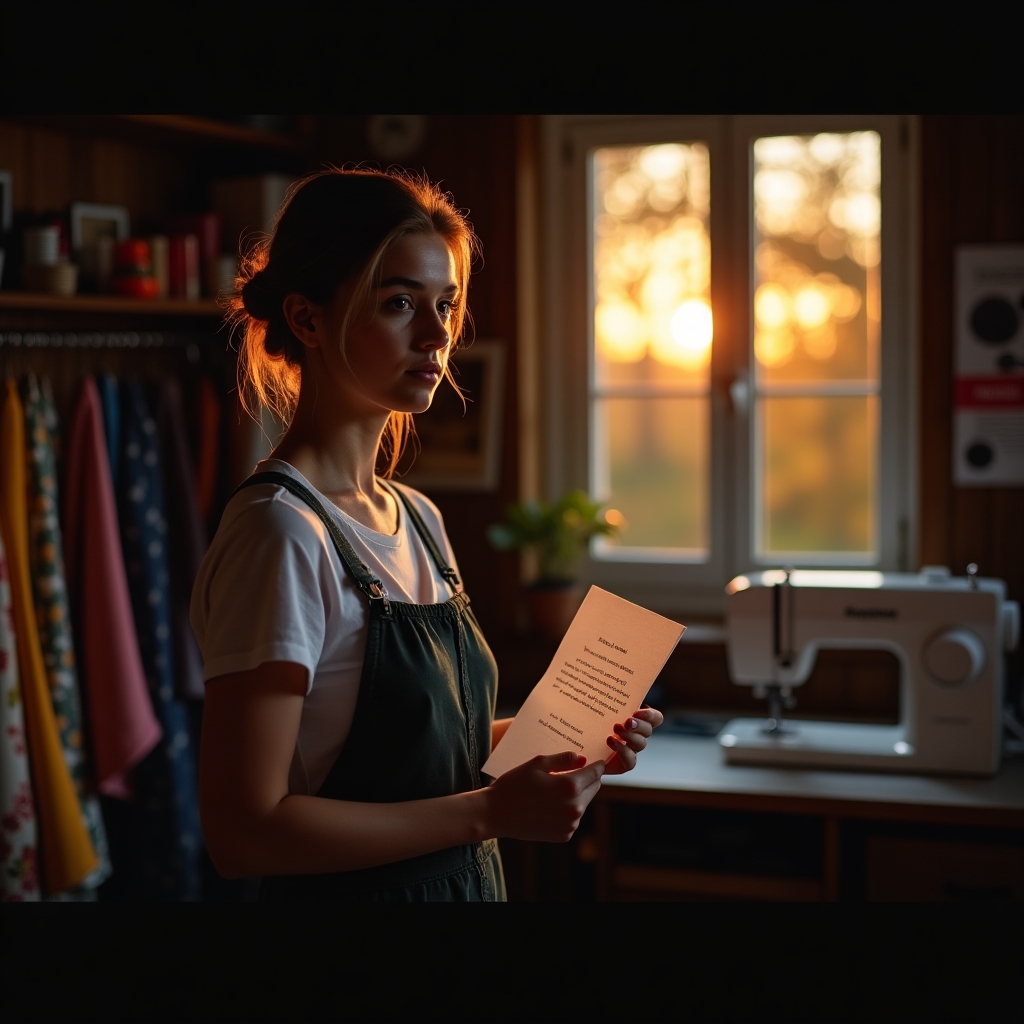
Elena often found herself in the workshop, surrounded by bolts of fabric and the steady rhythm of sewing machines. It was a place of comfort and familiarity, yet it also felt like a gilded cage. She would stand at the window, staring out at the sea, its vastness a reminder of the possibilities beyond the horizon.
The moment of emotional clarity came on a golden autumn afternoon. Elena was home for a brief visit before the Christmas holidays, helping her father in the shop. Miguel was fitting a suit for an old family friend, his hands expertly adjusting seams, his voice a gentle murmur of reassurance.
As she watched, Elena felt a surge of love for her father—a man who had given so much of himself to this craft and to his family. But alongside that love was a sudden, clear understanding: her path was not among these bolts of cloth, but among the canvases and colors that called to her heart.
Later that evening, Elena found herself in the old shed at the back of her grandmother’s garden, a place that had become her sanctuary over the years. The remnants of her childhood paintings covered the walls, a testament to the dreams she had nurtured.
It was here, under the gentle glow of a single, flickering bulb, that Elena realized she needed to speak her truth. The thought of disappointing her family hurt, but the thought of living a life not her own was a quiet devastation she could no longer bear.
With her heart pounding in her chest, Elena crafted a letter. Each word was chosen with care, a delicate balance between honesty and love. She wrote of her passion for art, her desire to forge her own path, and her gratitude for the foundation her family had given her. It was a letter not of defiance but of hope—for understanding, for acceptance, for the possibility of blending the old world with the new.
The next morning, as the first light of day spilled over the horizon, Elena slipped the letter under her father’s door. She stood there for a moment, her heart heavy yet light, a strange paradox of freedom and fear.
She didn’t know how her family would react, but she knew that whatever the outcome, she had finally honored her truth. And in that moment, standing in the quiet hallway of her childhood home, Elena felt a profound sense of peace settle over her.
The journey towards reconciliation, towards blending tradition with innovation, had begun. And while it would not be without its challenges, Elena knew she had taken the first, most courageous step.