



Anya sat on the windowsill of her childhood bedroom, the soft amber of the setting sun casting shadows on the walls filled with memories. The room was a shrine to her past, adorned with trophies from school spelling bees, family photographs, and posters of faraway places she longed to visit. Yet, despite the warmth of nostalgia, a chill of unease settled over her heart.
Her family’s expectations were as constant as the ocean tides, urging her towards a path charted long before her birth. Anya was the eldest daughter in a family that prized tradition above all else. Her grandfather had been a renowned doctor, her father a successful businessman, and it was presumed she would follow in their footsteps. A career in medicine or law was not just suggested but presented as the only viable option.
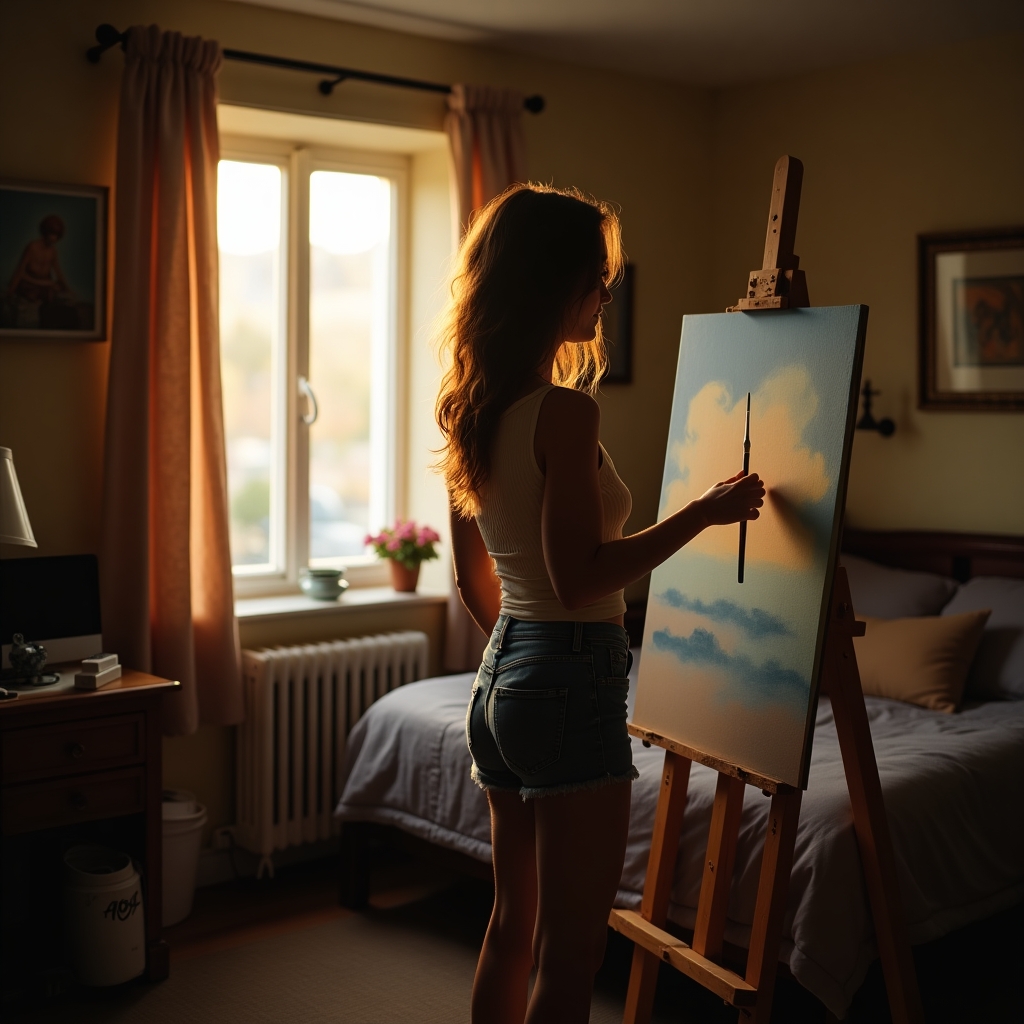
As she grew older, Anya discovered a passion for art. The colors and textures of paint on canvas spoke to her in ways she never understood before. To her, creating was not just an escape but a necessity. Yet, the idea of pursuing art as a career was met with disapproval, seen as impractical and frivolous by her family.
Dinner conversations often drifted to questions about her future. Her father, a man of few words but with an aura of unyielding authority, would ask, “Have you thought more about where your studies will lead?” Anya, hesitant to disrupt the peace, would nod and mumble vague affirmations, concealing her truth beneath layers of polite compliance.
The internal struggle was persistent, a silent tension that colored her interactions with her family. Her mother would remind her of the sacrifices made by previous generations, recounting stories of resilience and fortitude. Anya understood these stories, cherished them even, but they felt like chains binding her to a path not her own.
Every weekend, Anya visited her grandmother, the matriarch of the family and a figure of great importance. Her grandmother’s house was a sanctuary of sorts, filled with the aroma of spices and the soft hum of classical music. There, Anya found solace in the tales of old that her grandmother narrated. The stories of their ancestors were rich with tradition and duty.
One rainy afternoon, as the patter of raindrops played a subtle melody, her grandmother asked, “What does your heart tell you, Anya?” It was a simple question, yet it echoed in Anya’s mind long after the visit ended. Her heart yearned for something different, something her family might never fully understand.
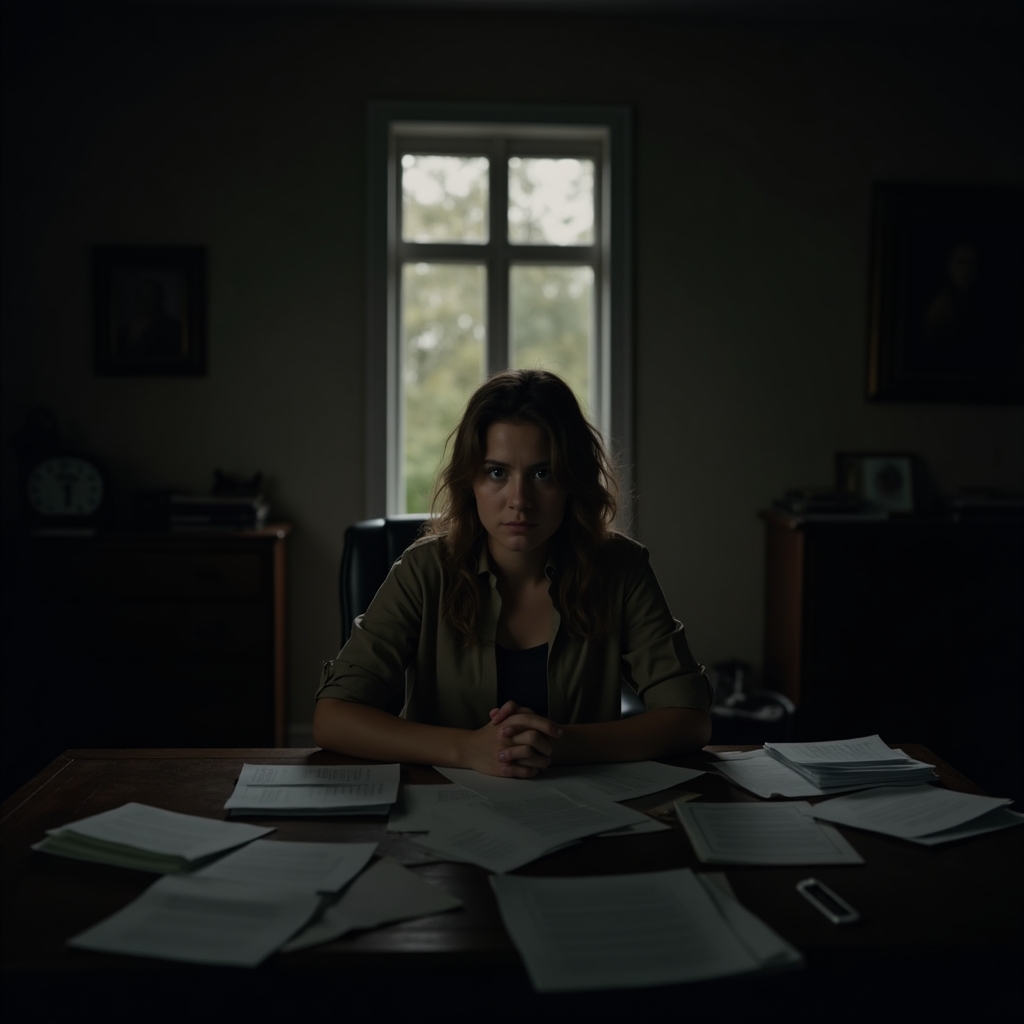
The psychological tension within Anya was not a dramatic battle but a gradual tightening of an invisible knot. She knew she could not continue to live a life dictated by expectations that were not her own, but the weight of familial loyalty was heavy. The fear of disappointing those she loved made her hesitate, and so she struggled quietly, caught between two worlds.
As time passed, the whispers of her own desires grew louder. She began to notice how her fingers itched to pick up a brush, how her mind wandered to colors and compositions during moments of stillness. Anya’s dreams painted a life where she could breathe freely, unhindered by the constraints of others’ visions.
The moment of clarity came unexpectedly, on a quiet morning while she was in her room, staring at the canvas that had been blank for months. Anya realized that denying her own truth was slowly eroding her spirit. It was not a dramatic epiphany but a quiet acceptance that she could not be both the person she was and the person her family wanted her to be.
She knew she had to speak her truth, to assert herself in a way she had never done before. It was not an act of rebellion but an embrace of authenticity. Anya understood that courage was not the absence of fear, but the decision to move forward despite it.
The conversation with her family was gentle, devoid of anger or blame. She spoke of her love for art, her need to pursue what made her soul come alive. Her voice, though soft, carried the weight of her conviction. Her family listened, their expressions a blend of surprise and contemplation.
Her father, after a thoughtful pause, nodded slowly. “I had dreams too,” he said quietly, a rare glimpse into the man behind the formidable exterior. Her mother, tears in her eyes, took her hand and whispered, “Follow your heart, my dear. We will find our way through this together.”
Anya’s decision was not an end but a beginning. It was the start of a journey towards healing the generational gap not by breaking away from her family but by bringing them along, allowing them to see her world through her eyes. It was an invitation to understand rather than a demand to accept.
In this quiet resolution, Anya found peace. She learned that true loyalty did not mean sacrificing oneself but finding a way to honor both the past and the present. The road ahead was uncertain, but with every brushstroke, she painted a future she could finally call her own.