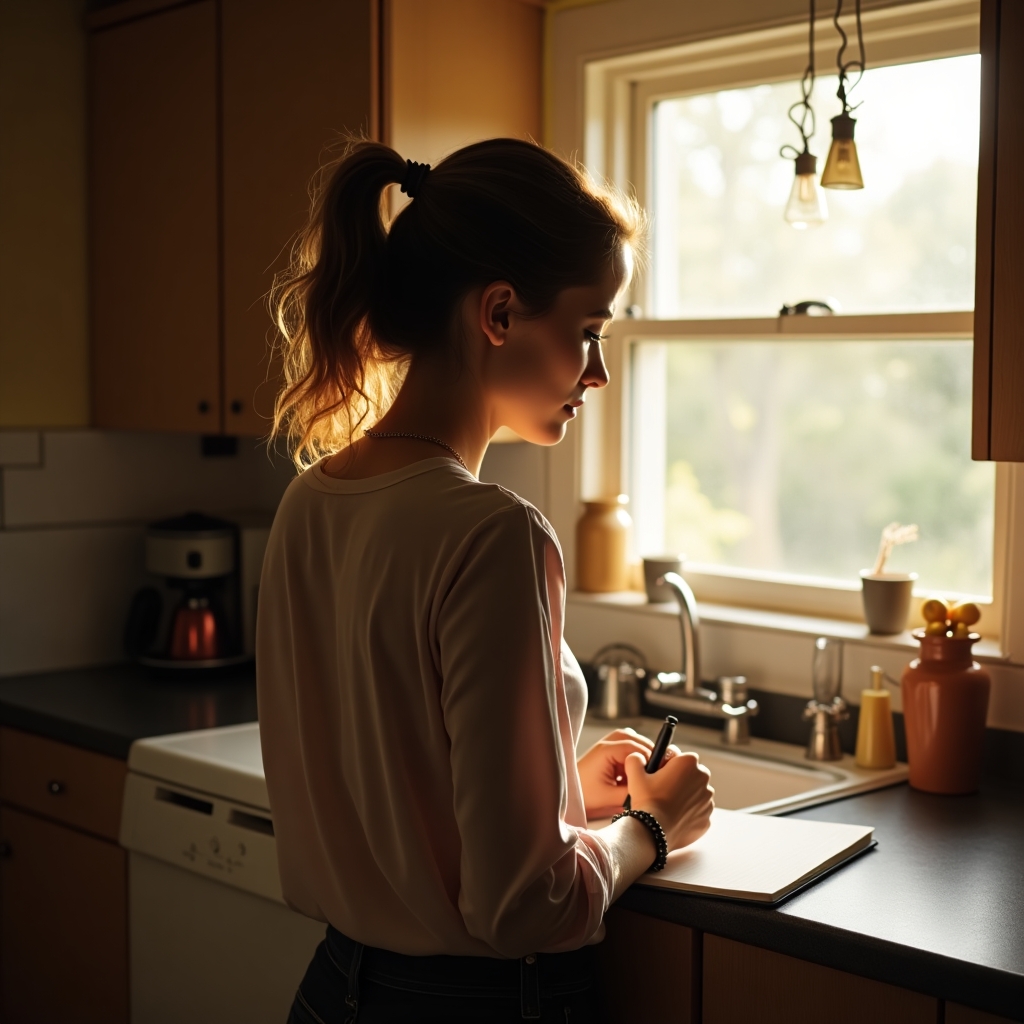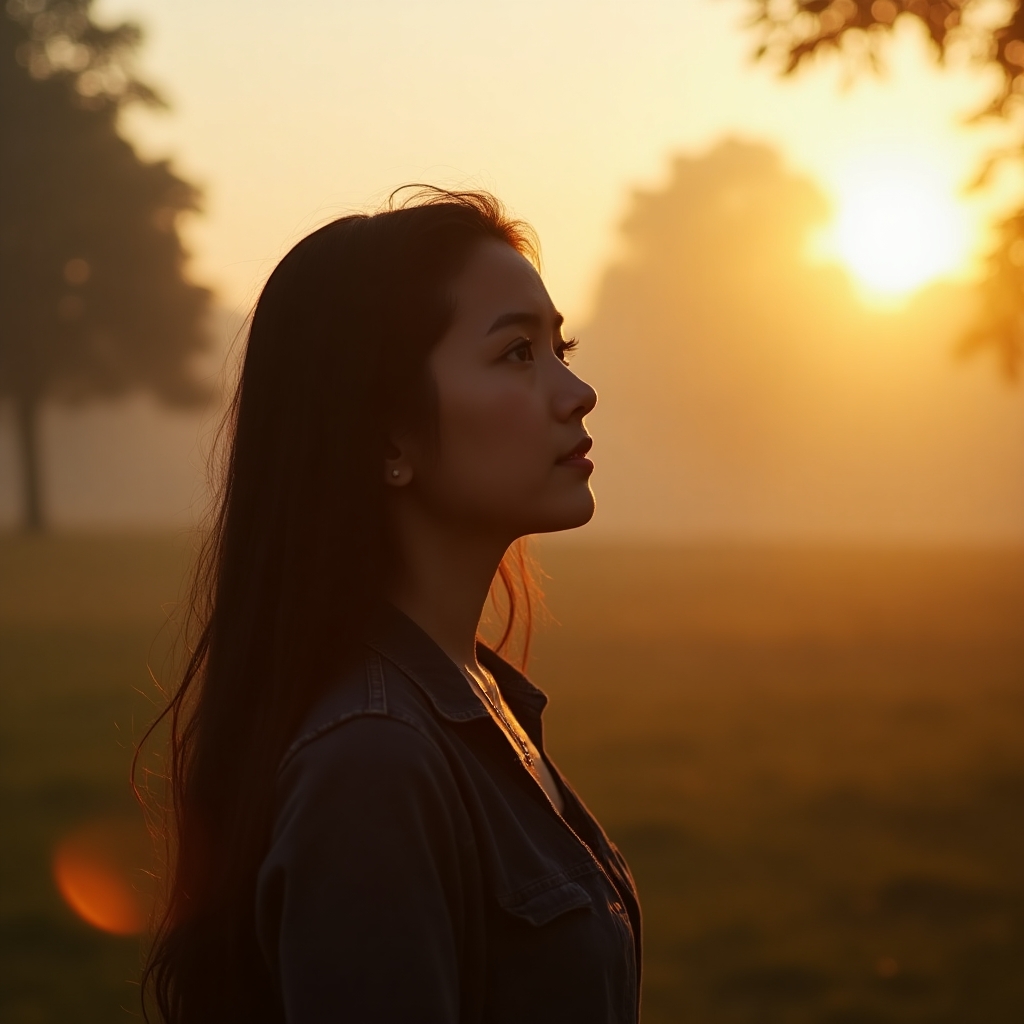
Jia stared out the window of her cramped New York apartment, the cityscape mingling with the early morning mist like a watercolor painting. Her family’s expectations lingered in her mind, a familiar weight that pressed upon her shoulders since she was a child. Born to a traditional Chinese family in the bustling streets of Beijing, Jia had been taught that her life’s path was already carved out for her by generations past. She was to be a dutiful daughter, a successful professional, marry well, and continue the legacy that was more than just familial—it was cultural.
Yet, here she was, wrestling with her own aspirations in a land far from home, where she had the freedom to choose but was also haunted by the echo of her parents’ dreams. It was a life of constant negotiation, balancing her passion for art with her studies in finance—her mother’s chosen field for Jia, a profession deemed respectable and secure.
Jia often found herself in the quiet hours of the night, sitting in front of her canvas, letting her brush dance to the rhythm of her heart rather than the calculated steps of expected achievements. In those moments, she felt most alive, yet guilt crept into her art like shadows in the twilight.
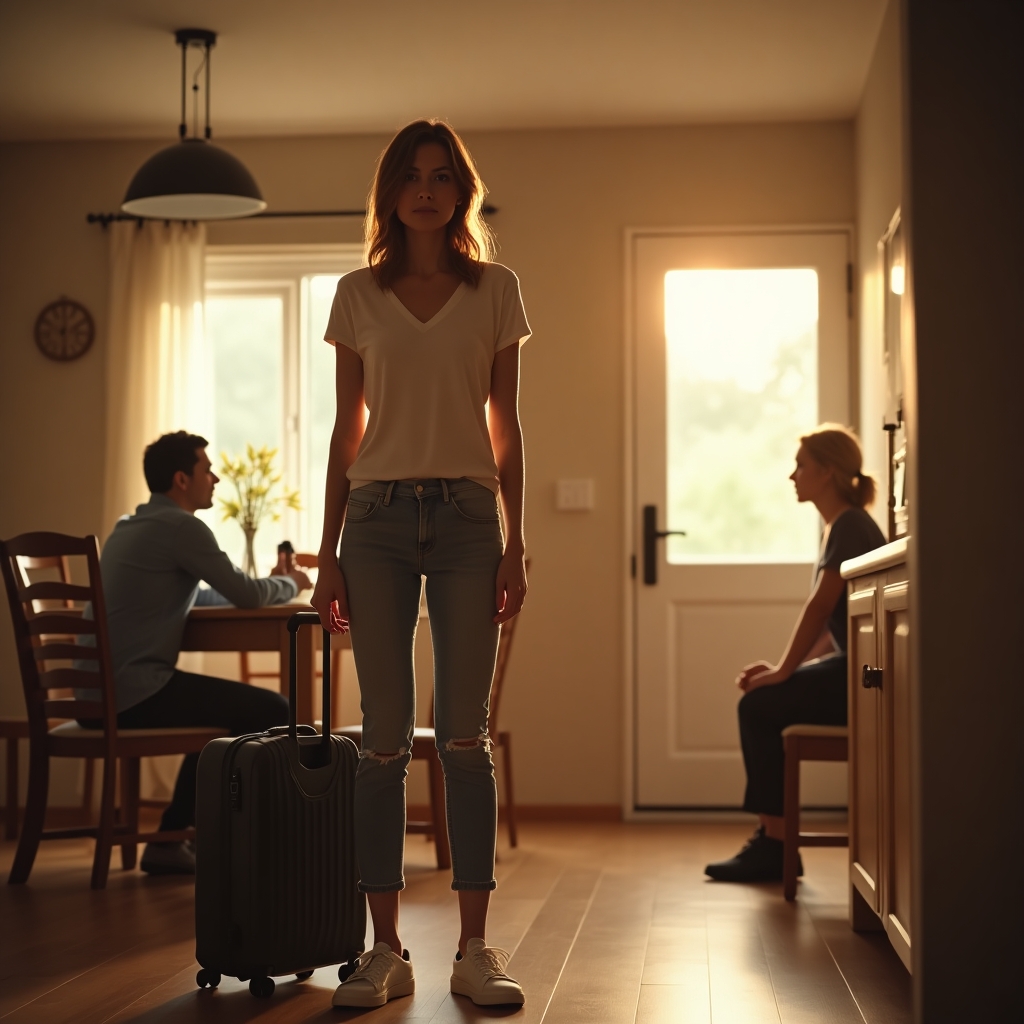
The duality of her existence reached a pinnacle one summer when her parents visited from Beijing. Her father, a stern man of few words, had high hopes of her joining a prestigious financial firm after graduation. Her mother, ever the traditionalist, was eager to see Jia settled, hinting at the suitor she had in mind—an accomplished banker from a reputable family.
Jia’s stomach churned at the thought. The idea of returning to a life that suffocated her dreams was unbearable, but she couldn’t bear the idea of disappointing her family either. The psychological tension simmered beneath her composed exterior, manifesting in sleepless nights and a growing knot in her chest.
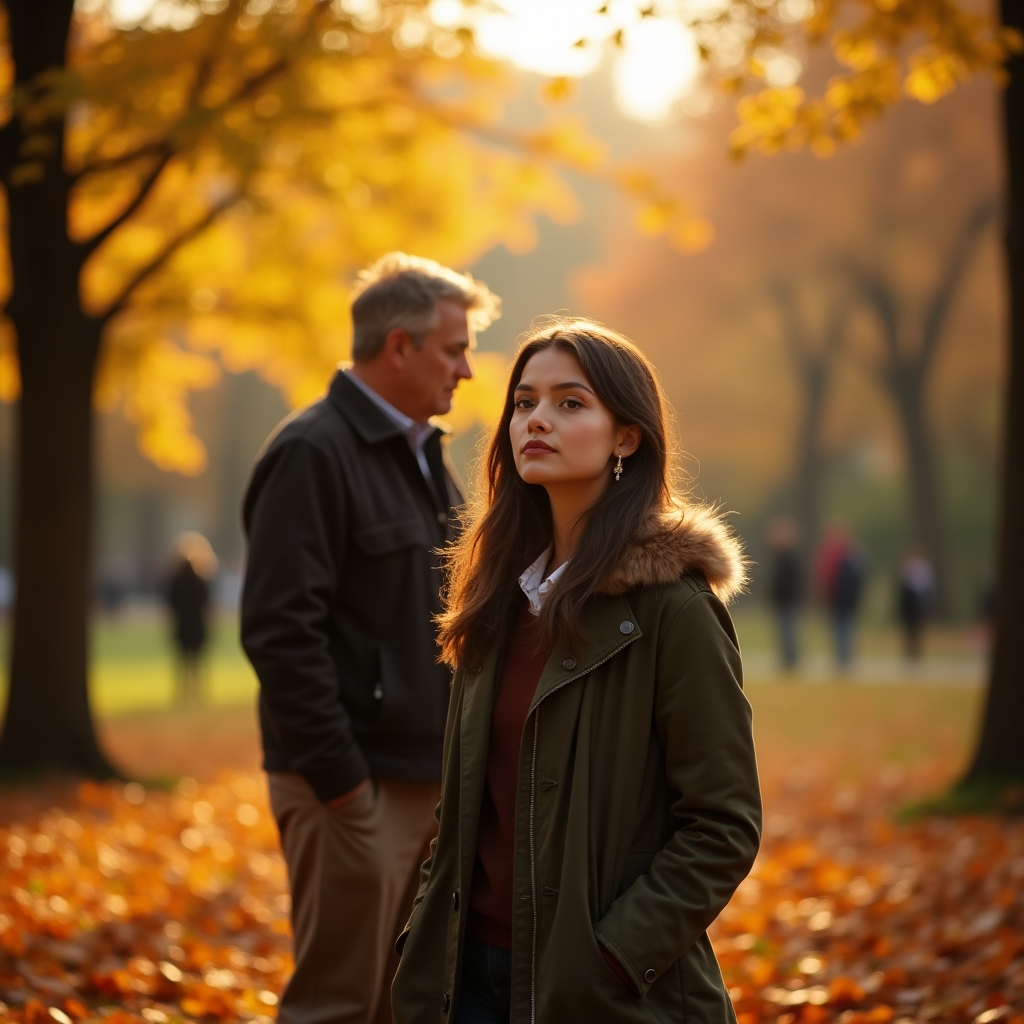
It was during a quiet afternoon, while walking through Central Park with her father, that the moment of clarity came unexpectedly. The air was crisp with the promise of autumn, leaves surrendering to the earth in a cascade of color. Her father walked beside her, his eyes scanning the horizon below his furrowed brows.
“Jia,” he said, breaking the silence, “your mother and I are proud of you, but we worry. This life here… it seems so different from what we knew.”
Jia paused, feeling the depths of his concern and love, though wrapped in the veils of tradition. “I know, Baba,” she replied softly, “but I’m trying to find my own way.”
Her father stopped, turning to face her. “And does your way include happiness?”
The question, so simple yet profound, hung between them. Jia realized then that her father’s question wasn’t about money or status; it was about a deeper understanding that had been lost in translation between their worlds.
“I hope it does,” she replied, her voice barely above a whisper. “But I need to discover what happiness means for me.”
Her father nodded slowly, as if weighing her words, his features softening. In that moment, Jia understood that asserting her truth didn’t mean abandoning her heritage or her family. It was about integrating them into her own identity. The quiet strength she had longed for unfurled within her, a resolve that she could honor both her roots and her wings.
Jia returned to her apartment that evening, feeling lighter than she had in years. She sat at her easel, dipping her brush into vibrant hues, painting the landscape of her heart—a blend of East and West, tradition and innovation. As the colors unfolded on the canvas, Jia knew she was ready to live her truth, carrying her family’s love as a guide, not a chain.
Her journey was far from over, but she had taken the first step toward healing the silent rift between generations. She had found her voice, and though it trembled, it was her own.
In the quiet brushstrokes of her life, Jia was creating a masterpiece—one that embraced both her lineage and her individuality, painting her future with the bold colors of emotional courage and cultural harmony.