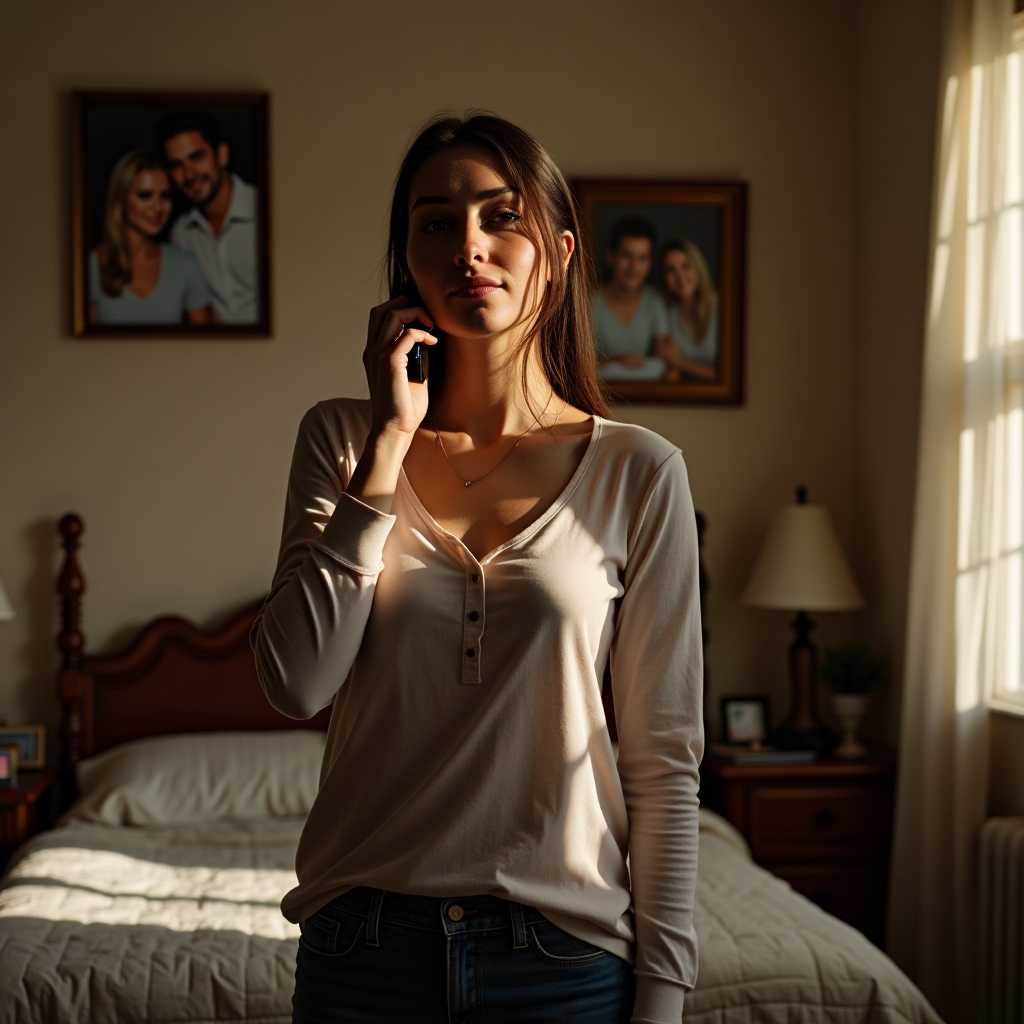


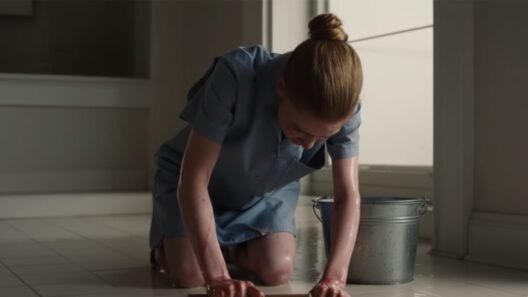
A thin thread of light seeped through the heavy curtains, casting a faint glow across the room. Layla stirred on her narrow bed, the day already pulling at her thoughts. She lay still, eyes open, feeling the familiar weight settle in her chest—a mixture of expectation and longing that had become her morning companion.
Born to a family that prized tradition above all else, Layla had grown up in a world intricately woven with customs and unspoken rules. Her parents, immigrants who had poured all their hopes into the American dream, clung to their roots with a fervor that often felt suffocating. They planted their values deep into Layla’s upbringing, cultivating a landscape of generational pride and quiet sacrifice.
Layla, however, was a creature of different elements. She cherished her heritage, but her heart craved the freedom found in diversity and self-expression. Her parents envisioned a future for her that followed a well-trodden path: completing her degree in engineering, marrying someone from their community, and raising a family steeped in the traditions of their past.
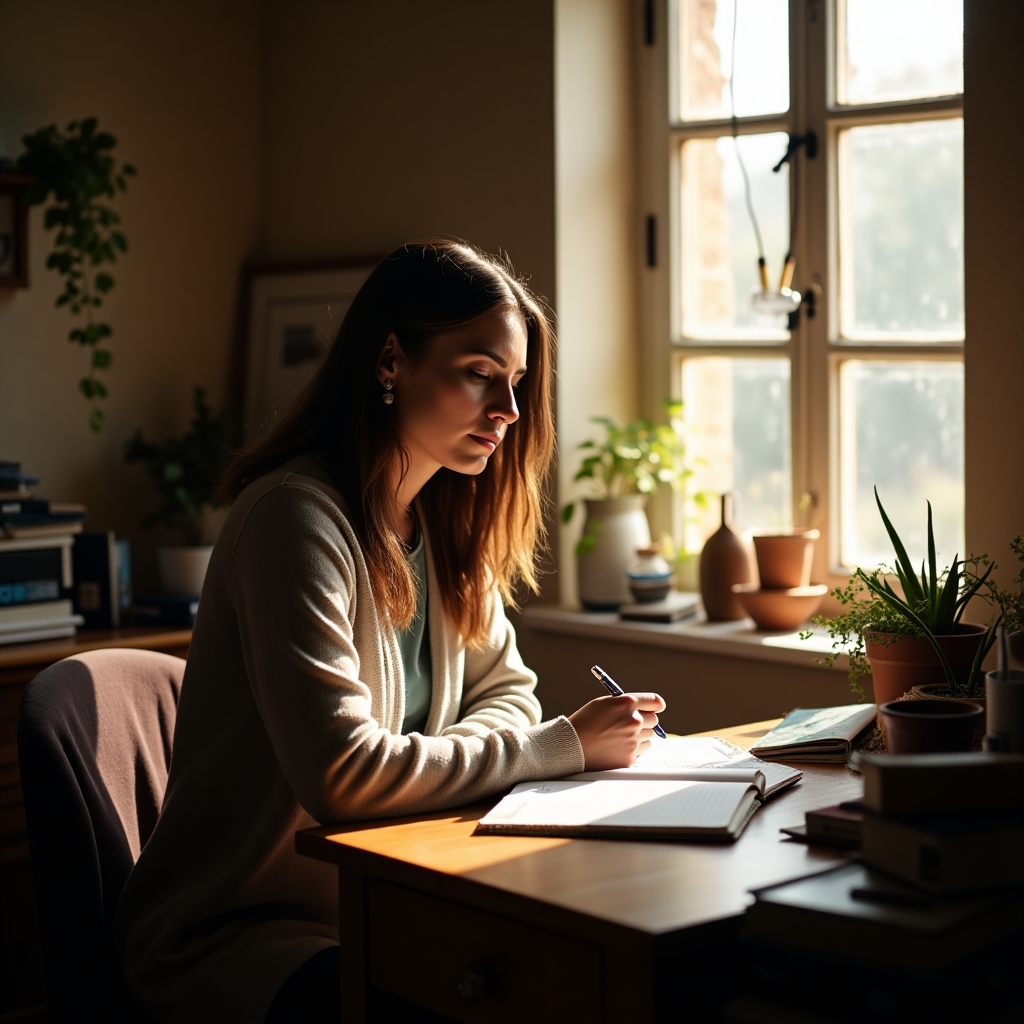
Yet, nestled amidst those expectations was Layla’s quiet passion for art—an affair of the soul she carefully shielded from view. She would retreat to her sketchbook under the hush of nighttime, with the soft scratch of charcoal on paper as her only witness. For Layla, art was more than an escape; it was a form of truth-telling, a way to illustrate the internal landscapes that words couldn’t capture.
The delicate balance of Layla’s life tilted during a family gathering, where conversations flowed freely about her cousin Farid’s engagement. Amid laughter and shared memories, Layla’s mother gently reminded her, “It’s time you think about settling down, Layla. The family depends on you to continue our traditions.” Her mother’s words, though softly spoken, carried the weight of unyielding expectation.
Layla smiled, nodding in response, but inside, her soul was a storm. It wasn’t that she didn’t love her family or their heritage; it was the fear of losing herself to the demands of a life she hadn’t chosen. She felt caught in an invisible web, spun from her mother’s hopes and her father’s dreams, where every thread tugged her further from her own desires.
Weeks passed, with Layla drifting through her days like a ghost in her own life. She attended classes, participated in family events, and smiled through conversations, all the while feeling the slow erosion of her resolve.
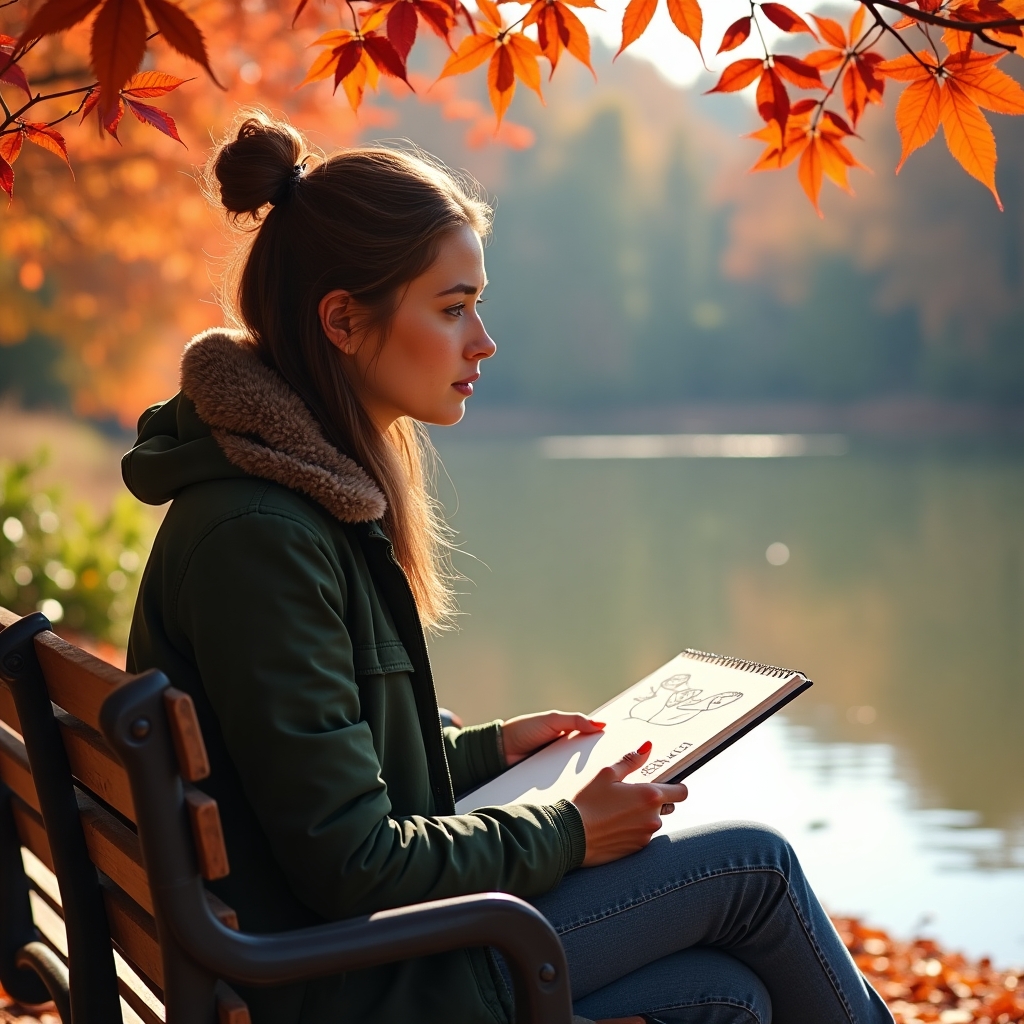
One crisp autumn morning, as the world outside blazed with the fiery beauty of turning leaves, Layla found herself walking through the park near her university. The air was sharp with the scent of fallen leaves and the promise of change. She wandered aimlessly until she reached a small pond, its surface a mirror for the sky’s cool reflection.
Sitting on a bench, Layla drew her sketchbook from her bag. Her fingers moved instinctively, sketching the interplay of light and shadow on the water. As the image took shape, she felt an unexpected clarity wash over her, a realization as gentle as the breeze that stirred the leaves.
She didn’t have to choose one over the other. Her love for her family and her commitment to her own dreams could coexist if she had the courage to articulate her truth. Layla understood then that asserting her desires didn’t equate to betrayal; it was an act of honoring herself, one that could foster a new kind of healing—a bridge between her world and theirs.
That evening, Layla sat with her parents, her heart beating a steady rhythm of resolve. She spoke with gentle honesty, sharing her love for art and her desire to pursue it alongside her studies. “I want to make you proud,” she said, “but I also need to be true to myself.”
Her parents listened, surprise mingled with contemplation in their eyes. For a moment, silence extended its curtain over them. Then, her father’s hand rested on hers, a gesture of understanding that transcended words. “We want you to be happy, Layla,” he said softly, his voice a bridge in the silent room.
In the days that followed, Layla noticed a gradual shift. Her parents began to ask about her sketches, their interest a tentative thread weaving through their conversations. It wasn’t perfect, but it was a beginning—a new thread in the tapestry of their family.
And so, in the quiet of dawn, with her sketchbook in hand, Layla painted her future—a landscape rich with the hues of compromise and self-discovery, navigating the gentle currents of belonging and individuality.