


Lena stood at the kitchen counter, the steady rhythm of her knife against the cutting board marking the evening routine. The sun hung low, casting a golden hue over her modest kitchen, where each item told a story of domesticity — a worn-out teapot from her mother, a floral-patterned jar for sugar. She was making dinner, something simple as always, for her and Tom.
Tom, her husband, was in the living room, his voice a low hum over the television. The sound of sports commentary filled their small apartment, occasionally interrupted by the rustling of his newspaper. It was a typical weekday evening — Lena preparing dinner, Tom engrossed in another world.
Lena had been married for fifteen years, and though she loved the idea of being a devoted wife, there was a quiet part of her that felt lost. Her life, though stable and predictable, was like living in a painting where she remained out of focus, a soft blur in the background.
Her family had always emphasized the importance of peace over confrontation. “Harmony above all,” her mother often said. Lena learned early to suppress her own needs to maintain that delicate balance. She became the glue holding together her family’s expectations, her husband’s comfort, never allowing herself to crack.
As Lena stirred the simmering pot on the stove, she thought about the art class she had once longed to take. The idea was quickly dismissed; Tom thought it impractical. “It’s an unnecessary expense,” he’d said, not unkindly, but with a firm finality that left no room for discussion.
This was Lena’s life — a series of small dismissals, her desires brushed aside, until they faded into the background like indistinct colors. But the small void inside her was beginning to ripple, an internal shift that started with an innocent question from her neighbor, Claire.
“What’s something you’ve always wanted to do for yourself, Lena?” Claire had asked over coffee one morning. The question lingered, a quiet echo that wouldn’t quite settle.
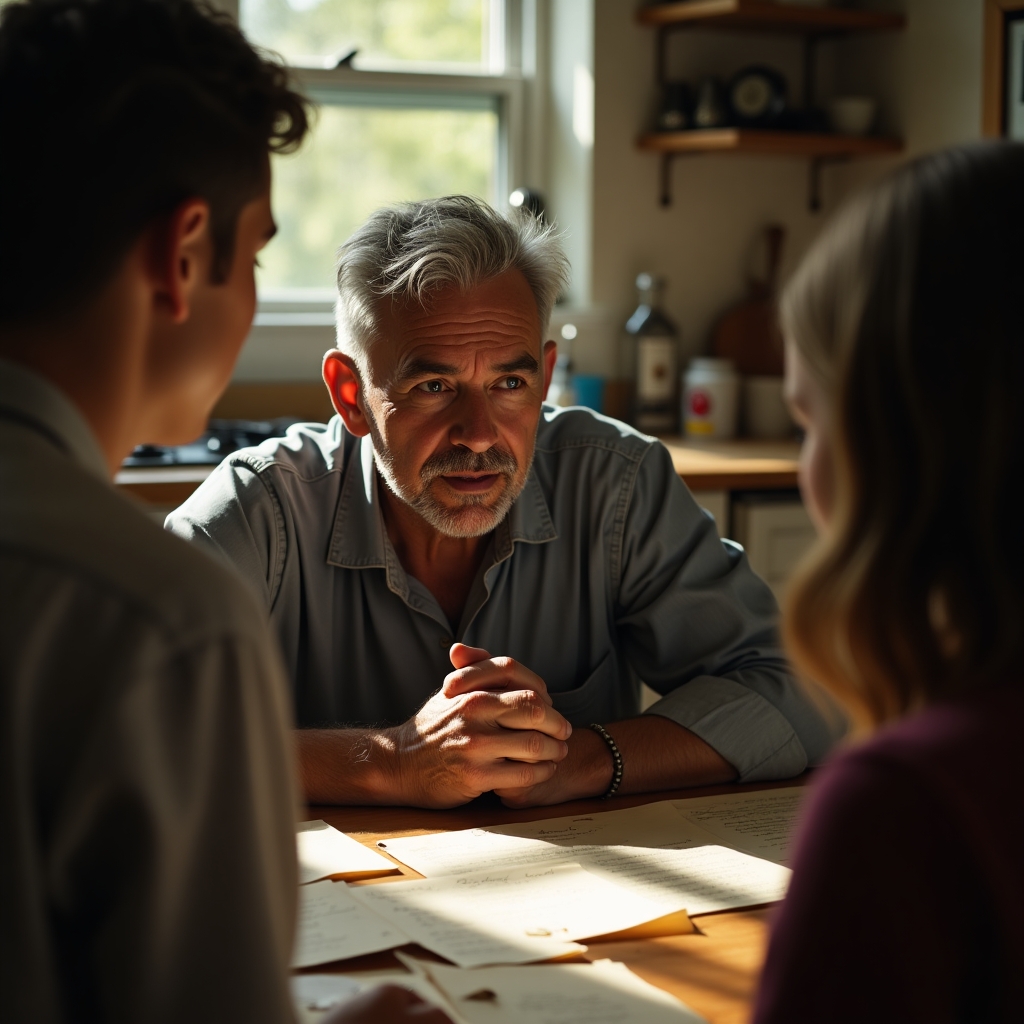
That night, sitting across from Tom at the dinner table, Lena watched him eat, his movements mechanical, routine. She listened to the clink of his fork against the plate. Her own food sat untouched.
“You all right?” Tom asked, finally noticing her silence.
“Just thinking,” Lena replied, her voice unsettlingly calm.
“About what?”
“About… what I want,” Lena said slowly, testing the words on her tongue.
“What do you mean?”
The question felt like a door swinging open. Lena hesitated, heart pounding. “I want to start painting again. I want to take that art class I mentioned.”
Tom looked up, surprised. “Really? I thought we talked about that. It’s just not a good time, is it?”
“It never is,” she said quietly, the firmness in her voice surprising even herself.
Tom shrugged, returning to his meal. “I suppose if it’s that important… but we’d have to make some changes.”
Lena nodded, her mind already imagining the smell of paint, the feel of a brush in her hand. It was a small step, but it felt enormous.
Over the next few weeks, Lena prepared for the class, feeling alive with anticipation. But as the start date approached, the pressure of guiltsurfaced, a familiar weight.
“Why don’t we try a new recipe this weekend?” Tom suggested one evening. “We haven’t done that in a while.”
“I can’t this weekend,” Lena replied, trying to keep her tone light.
“Why not?”
“The art class starts Saturday. Remember?”
Tom sighed, a hint of annoyance in his voice. “I thought you’d decided against it.”
“No, I didn’t,” Lena said, her voice steady, a newfound firmness beneath her words.
Tom was silent, his displeasure palpable. But Lena didn’t relent.
Saturday arrived with a cold drizzle, the sky muted and gray. Lena stepped out of the apartment with her supplies, a hesitant excitement bubbling within her. She hesitated on the doorstep, glancing back at the familiar confines of her life.
But she felt the subtle shift inside her, a growing resolve that whispered, “You deserve this.” It was as if she was finally seeing herself — not just as someone’s wife or daughter, but as Lena, a woman with her own dreams.
Lena took a deep breath and let the door close behind her.
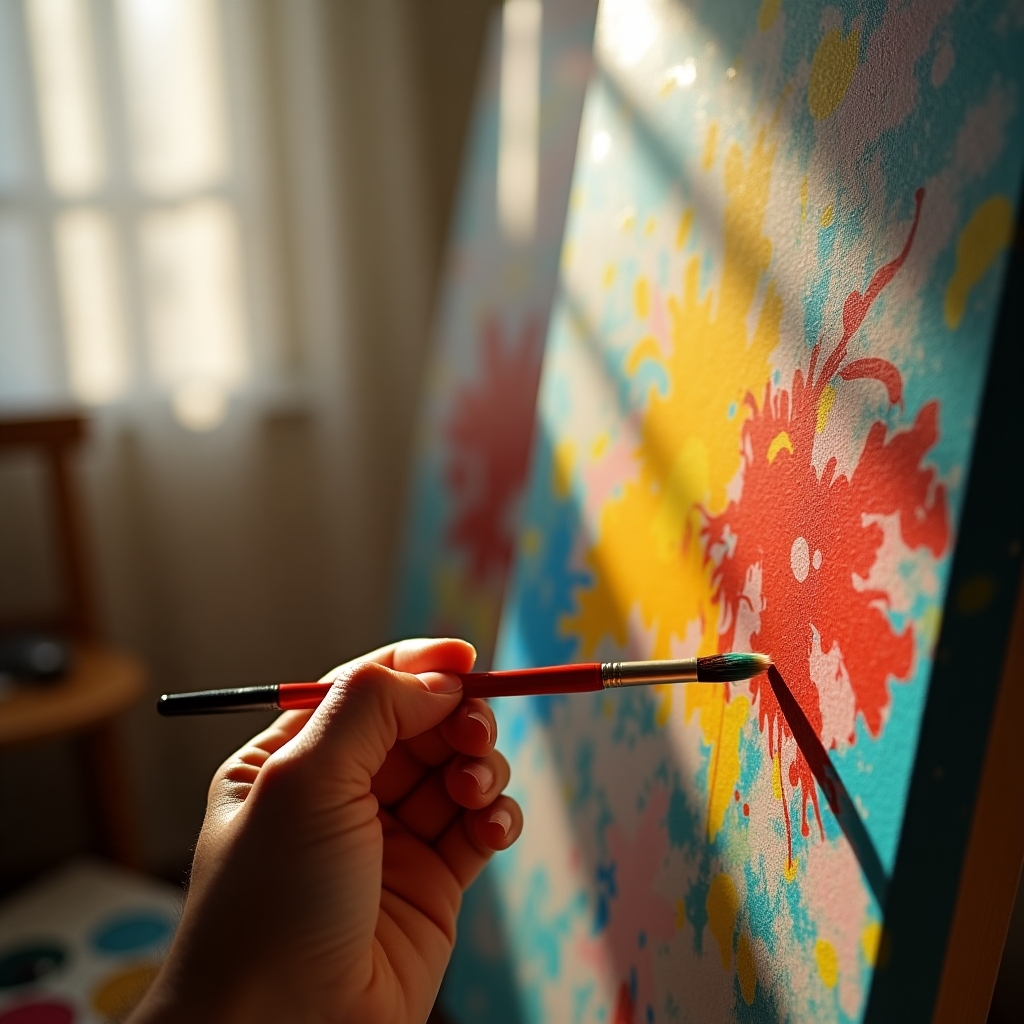
In the art studio, the smell of paint and the quiet hum of creativity welcomed her. She found a place by the window, the light streaming in, warming her face. Lena looked around at the blank canvas before her and the palette of colors waiting to be mixed.
She picked up the brush, the weight of it both familiar and exhilarating. As she made the first stroke, she felt a profound sense of liberation, a quiet rebellion against the years of silence she had endured.
This was her moment, small but powerful, a declaration of her autonomy. In that act, Lena wasn’t just painting; she was reclaiming herself.