



Maya sat in her small Brooklyn apartment, fingers tangled in a skein of yarn, its threads not unlike the ties that bound her. The late afternoon sun streamed in through the window, casting a golden hue over her modest living area, where the rhythmic click of knitting needles was the only sound. This was her sanctuary, where she could, if only temporarily, escape the cacophonous demands of tradition and expectation that echoed through her life.
Maya was the eldest daughter of the Patel family, immigrants from India who had brought with them a treasure trove of customs and beliefs they intended to pass down to their children. Her parents were proud of their heritage and had instilled in Maya the values they held dear—family loyalty, respect for elders, and the importance of community. These values were woven into the fabric of her upbringing, and she wore them like a well-loved garment.
But there was another side to Maya, a part that yearned for something different. She had grown up in the heart of New York, a city teeming with diverse voices and opportunities that whispered possibilities her parents couldn’t understand. These whispers promised freedom and individuality, ideas that clashed with the collective spirit of her family’s expectations.
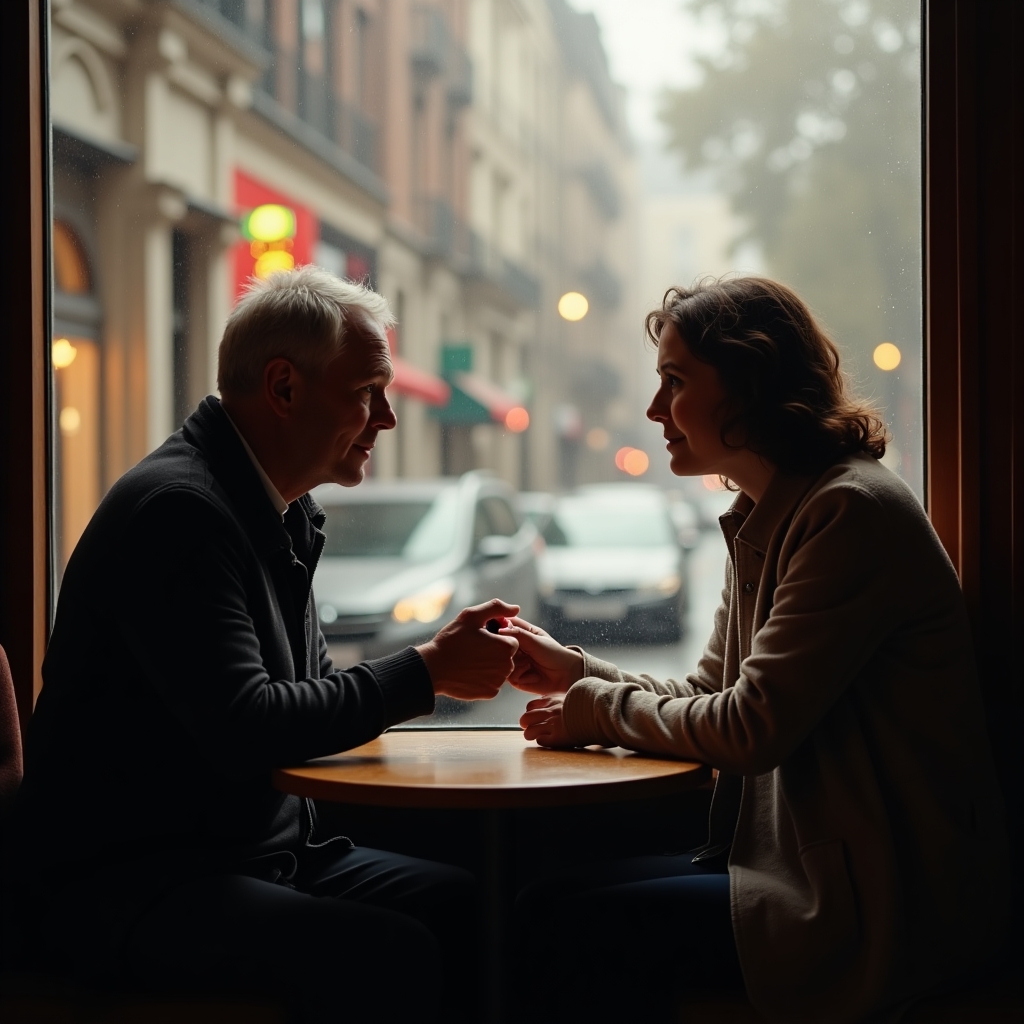
As she knitted, her mind wandered to the conversation she had had with her mother the night before. “Maya, beta,” her mother had said gently, “it’s time you think about your future. We have someone in mind for you. A good boy from a respectable family.”
Maya had nodded, hiding the storm brewing within her. She knew this conversation would one day come. Arranged marriages were a tradition in her family, a practice that had sealed the bonds of generations past. But for Maya, the thought of marrying a stranger, no matter how ‘suitable,’ felt like a chain-link fence around her dreams.
Yet, how could she explain this to her parents? She loved them dearly and could see the world through their eyes—the sacrifices they had made, the struggles they endured to give their children a better life. Refusing them felt like an act of betrayal.
The tension nagged at her, an unvoiced dissonance that she carried through her days. At work, as she poured over architectural plans for her job at a design firm, she dreamed of building her own future, brick by brick, shaped by her own hands. But each week, the calls from her mother, inquiring about her decision, brought her back to reality.
Her latest project was a community center in a part of the city that needed it most. It was Maya’s brainchild, a manifestation of both her professional skills and her personal vision. She wanted to create a space for people to connect, learn, and grow—a place where tradition and modernity could coexist.
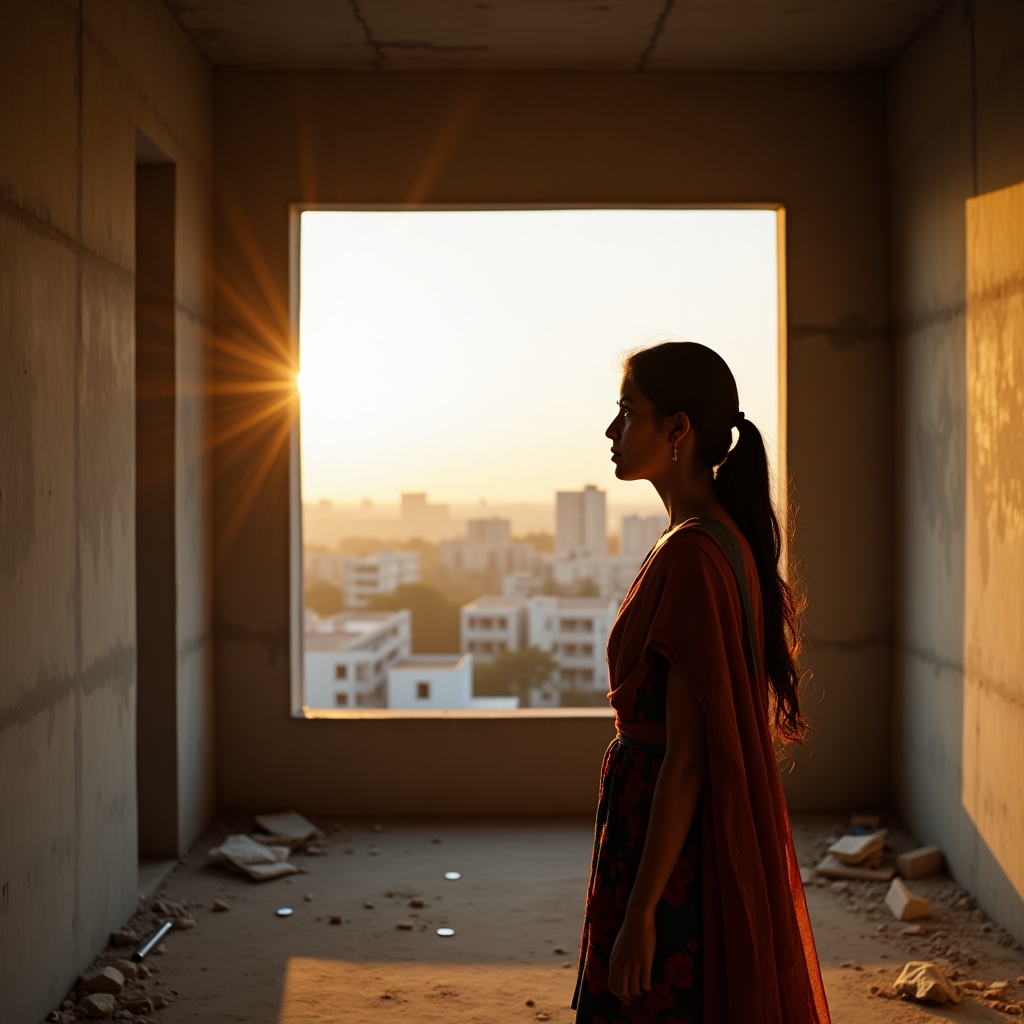
It was during one of her site visits that clarity came, almost unbidden, like a bird alighting softly on her shoulder. She was walking through the skeletal structure of the building, walls yet to be painted, rooms yet to be filled with life, when she paused by a window. The city sprawled beyond it, an endless sea of stories—each building a testament to someone’s vision, each street a tapestry of dreams.
In that moment, she realized something fundamental: her life was hers to design. Her parents’ dreams were important, but they were not hers. She could honor their past while still carving out her future. The thought was simple, yet profound, a ray of light splitting the clouds.
Maya returned home that evening with a sense of purpose. She didn’t have all the answers yet, nor did she have a plan for how to share her decision with her parents. But she understood now that her truth was not an affront to them; it was a continuation of their journey, a new thread woven into the tapestry of their family’s history.
The next time her mother called, Maya listened patiently to the familiar entreaties. Then, with a steadiness she hadn’t known she possessed, she spoke. “Ma, I love you and Papa, and I want you to be a part of my life. But I need to build it my way. I hope you can understand.”
There was silence on the other end, a void punctuated only by her heartbeat. But Maya felt at peace. She had taken the first step away from expectation and toward authenticity, and that, she knew, was worth the quiet struggle.
The road ahead was uncertain, but as she picked up her knitting needles once more, she felt a new kind of freedom in weaving her own destiny.