

Helen sat at the kitchen table, scrolling through her phone, the mundane glow casting shadows on her tired face. The hum of the refrigerator filled the silence between her and her husband, David, who was absorbed in his newspaper. It was a typical Thursday evening, and yet to Helen, it felt like an eternity caught in an endless loop.
“Do you need anything from the store tomorrow, Helen?” David’s voice rose above the rustling pages.
“Just the usual,” she replied mechanically. Helen barely noticed she had spoken, her mind focused on the hundreds of words she couldn’t say. For years, her conversations had been dictated by duty rather than desire.
As David returned to his reading, Helen’s eyes drifted to the piano in the corner of the living room. Its polished surface was as pristine as the day it was purchased, reflecting her unspoken dreams. Once an outlet for her voice, it now stood as a monument to her silence.
Later that night, as David slept beside her, Helen lay awake. Each inhale was a reminder of the air she wished to breathe freely. Somewhere along the way, she had lost herself, each day blurring into the next under the weight of expectations.
Morning came, and with it, the bustle of routine. Helen moved through the motions, packing lunches and tidying the house. Her daughter, Emily, sat at the table, crayons scattered around her.
“Mom, can you help me with this drawing?” Emily asked, a hopeful smile on her face.
Helen crouched beside her, picking up a crayon. “What are we drawing today?”
“A garden,” Emily replied, her eyes bright. “But I want it to look like the one in your stories.”
Helen’s heart twinged. She hadn’t told Emily a story in weeks. “Of course, sweetie,” she said, her voice barely a whisper.
As Emily colored, Helen’s gaze fell again on the piano. Something stirred within her, a quiet rebellion. She wondered how many notes lay dormant inside her, waiting to be heard.
That evening, while David watched television, Helen found herself gravitating to the piano. She lifted the lid, her fingers hovering above the keys. The sight was almost foreign, and yet deeply familiar.
“What are you doing?” David’s voice broke her trance, disapproval lacing his words.
“I thought I might play a little,” Helen replied cautiously.
“It’s late, and I have an early meeting,” he stated, returning his focus to the screen.
Her fingers retreated, and she closed the lid gently. Not tonight, she thought, but the seed had been planted.
Days passed, and Helen’s desire to play grew stronger, fueled by the quiet defiance she felt each time she passed the piano. The tension in her chest was no longer ignorable.
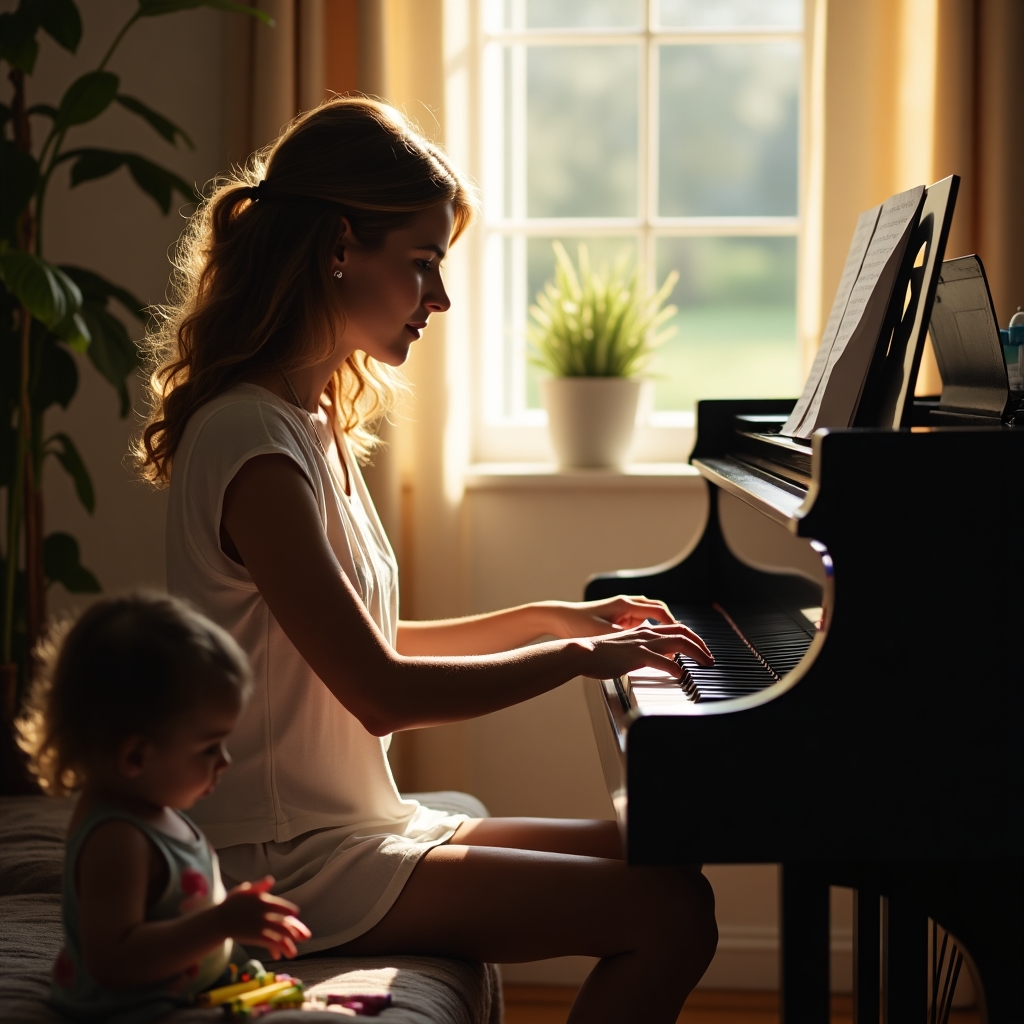
One afternoon, as Emily played in the backyard, Helen stood in front of the piano once more. She could hear the laughter of her child and the distant hum of the neighborhood. Her hands trembled as she lifted the lid, the keys gleaming in the afternoon light.
Helen sat down, her heart pounding. She tested a note, then another, the sound delicate and new. It was a tentative start, but as she continued, the music flowed like water breaking through a dam.
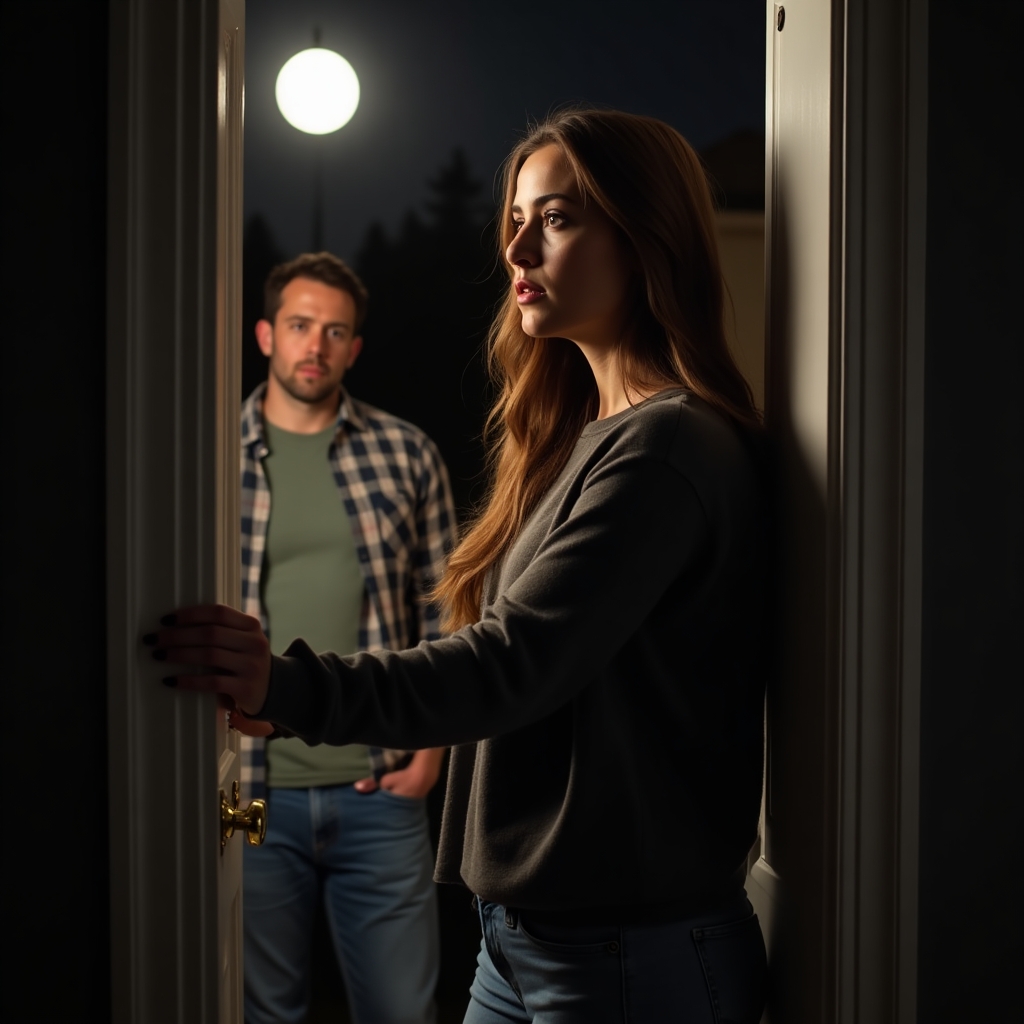
The door opened behind her, and she felt David’s presence, but this time, she didn’t stop.
“Helen,” he said, his voice a blend of surprise and irritation.
She paused, turning to face him. “I want this,” she said simply.
“But—”
“Please,” she interrupted, her voice firm. “I need this.”
He blinked, the resistance in his eyes wavering. “Alright,” he said finally, and left the room.
Helen exhaled, her fingers returning to the keys, her spirit lifting with each chord. In that moment, she reclaimed a piece of herself long forgotten.
As the music echoed through the house, Helen felt a quiet joy, the kind that comes from touching a part of your soul. Her autonomy was not a grand declaration but a quiet note, surrounded by many others in the unwritten song of her life.