


During the humid summer of July, small town life in Maple Ridge moved at its usual unhurried pace. The streets, lined with historic oaks, whispered of permanence and expectation. It was in this setting that Cora Jacobs found herself standing at the crossroads of her own quiet rebellion.
Cora was a woman of thirty-four, caught in the net of familial expectations and the unspoken agreements of her marriage. Married young to Paul, who was both predictable and kind in ways that numbed rather than comforted, Cora found herself fading into the wallpaper of her own life. Her days were built around meeting everyone else’s needs—a role she had never consciously chosen but had somehow slipped into.
The simmering discontent was most palpable in the kitchen. The kitchen was where Cora’s mother had taught her the unspoken rules of womanhood. ‘A family is built on meals,’ her mother would say, nudging Cora to chop faster, cleaner, better. It was also where Paul expected his dinner at seven sharp each evening, not out of malice, but because that was how it had always been.
The first hint of Cora’s awakening came on the wings of a gentle nudge from her friend Lisa, whose laughter was infectious and whose presence was a reminder that life need not be so constrained. “You should come to the yoga class with me, Cora. It’s amazing what a little time to yourself can do,” Lisa suggested over coffee.
At first, Cora dismissed the idea. Yoga felt indulgent, selfish even. But Lisa’s words settled into her mind like seeds in fertile soil. She found herself thinking about it during the quiet moments, as she folded laundry or stirred soup.
One evening, after another meal met with routine nods rather than affection or gratitude, Cora stood at the sink, hands immersed in soapy water. She watched the sun setting through the window, casting a golden glow over the pageantry of her life. The dishes were washed, the table cleared, and Paul had already retreated to his study—his nightly escape.
Cora dried her hands, the towel absorbing more than just water. It absorbed years of silenced thoughts and worn-out dreams. She turned, not towards the laundry or the bills, but towards the small, neglected room at the end of the hall which she had claimed as her own a long time ago, a space filled with books and forgotten trinkets.
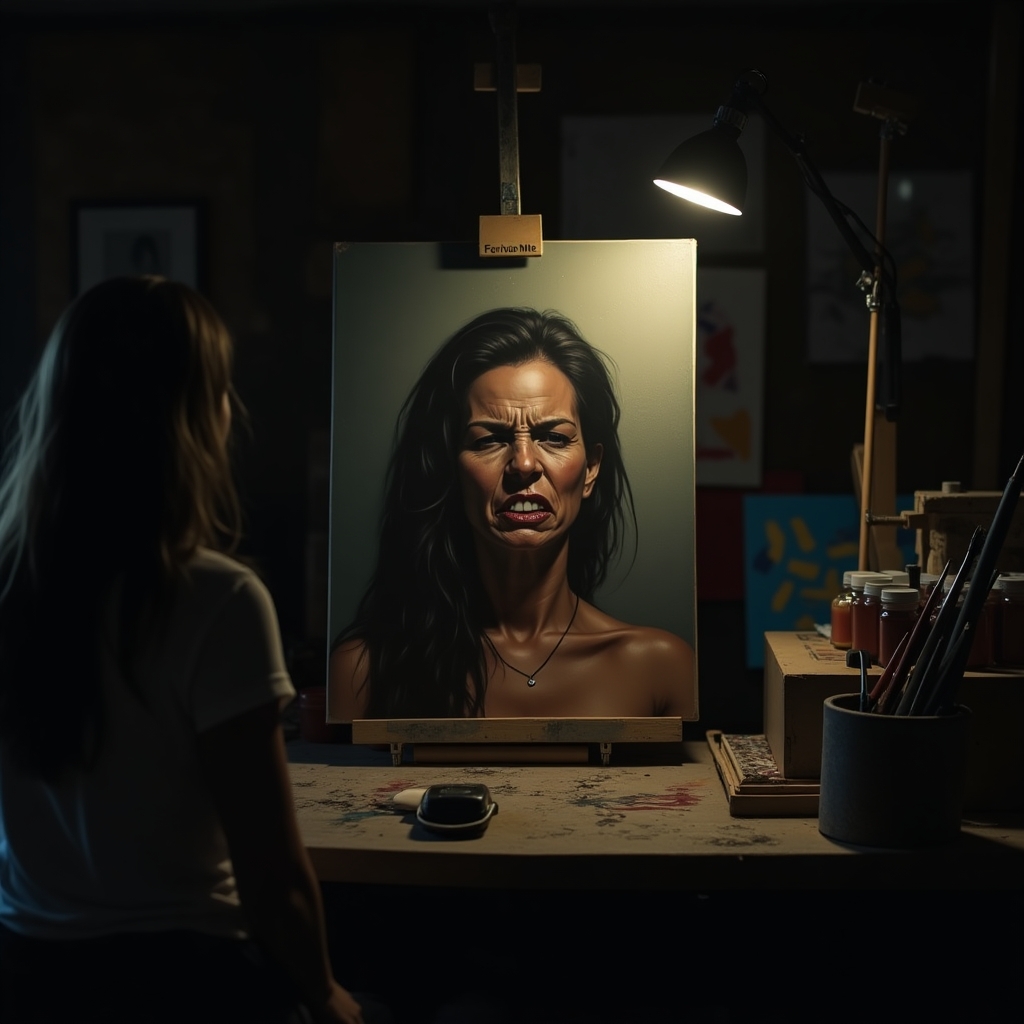
Her fingers trailed along the shelves, stopping at a dusty box of art supplies. She had loved to paint once, before it became just another in the long list of things she no longer had time for. With a timid resolve, she opened the box, the smell of aged paper and oils filling her senses.
The next morning, Paul left for work with a perfunctory peck on the cheek, and Cora found herself alone, the house silent but for the ticking clock. She stood in the kitchen, where the daily ritual of breakfast had been performed, and felt the familiar pull to fall into her routine.
But today was different. Today, Cora chose not to tidy the dishes immediately. Instead, she picked up the phone and dialed a number she had committed to memory in the days since Lisa’s suggestion. “Hi, yes, I’d like to sign up for the yoga class. Today, if possible.”
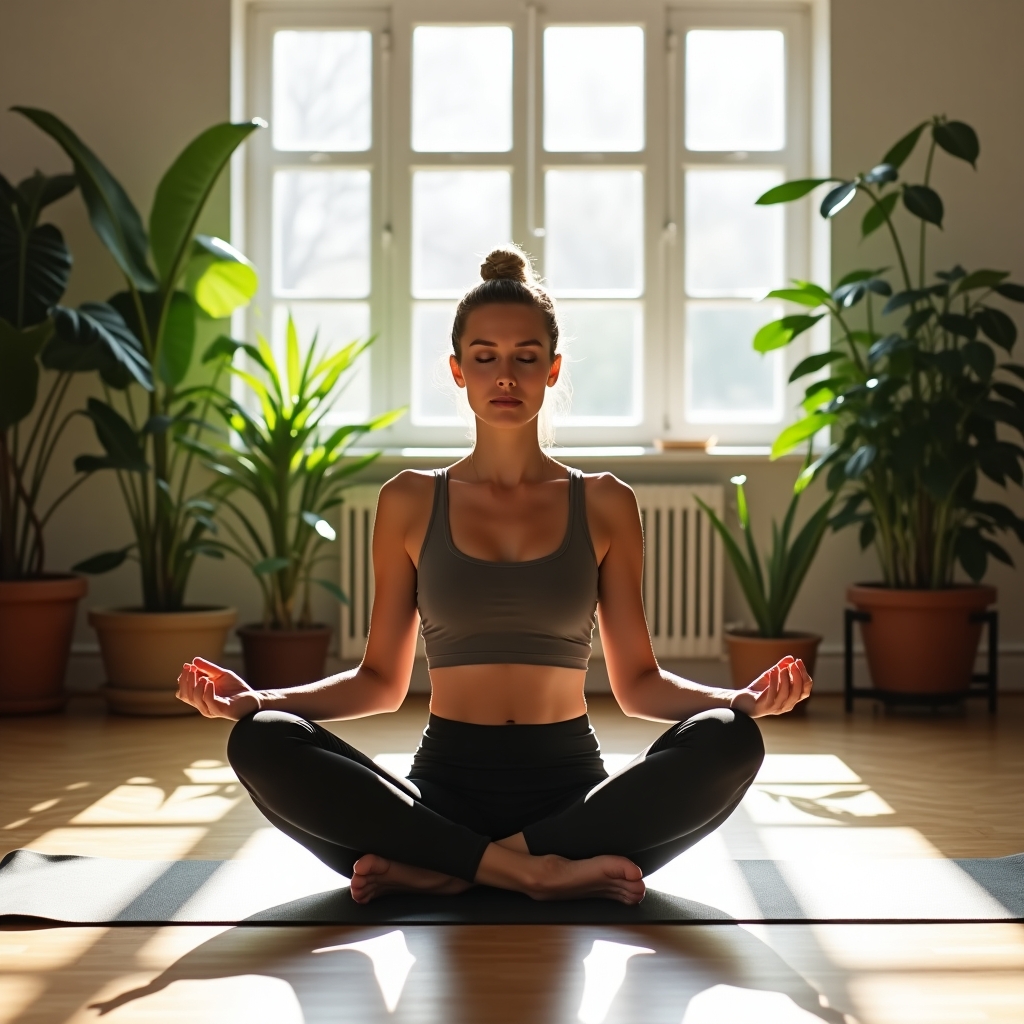
The studio was a short drive away, on the outskirts of town. It was a modest place, with large windows overlooking a garden in full bloom. As she unrolled the mat, the feeling of guilt threatened to engulf her. What did it mean to take this time for herself? Was she neglecting her duties?
But as the class progressed, each pose easing her mind as much as her body, Cora felt an unfamiliar lightness. It was a revelation, the realization that her life could accommodate her desires, that her existence need not be defined solely by others’ expectations.
The true turning point, however, came weeks later. Paul, noticing the change in her demeanor, asked over dinner, “You seem different. Happier.”
Cora paused, the words catching in her throat. She had rehearsed them countless times, but now, faced with the moment, they felt heavy and significant. “I’ve been taking a yoga class. And I’m thinking about starting to paint again.”
Paul looked up, surprise flickering across his features. “That sounds nice,” he said, a tentative smile forming.
Cora nodded, feeling the shift within her solidify. “It is nice. I think I need this.”
And just like that, the unspooling began—small threads of change weaving their way into her life. The act of claiming her hour of yoga each week, of spending time with her brushes and canvases, was not a rebellion but a reclamation.
In the weeks that followed, Cora became more than a wife, more than a daughter living up to expectations. She became herself—still devoted, still loving, but with the newfound understanding that she could love herself too. And that small act of liberation, choosing to honor that part of her soul, was the most powerful thing she had ever done.