Hey everyone,
I never thought I’d be sharing something so personal on here, but sometimes, writing to the void of the internet feels safer than speaking aloud to the people I know. This isn’t just about me—it’s about family, secrets, and the way we often build our identities on foundations we don’t even realize have been influencing us.
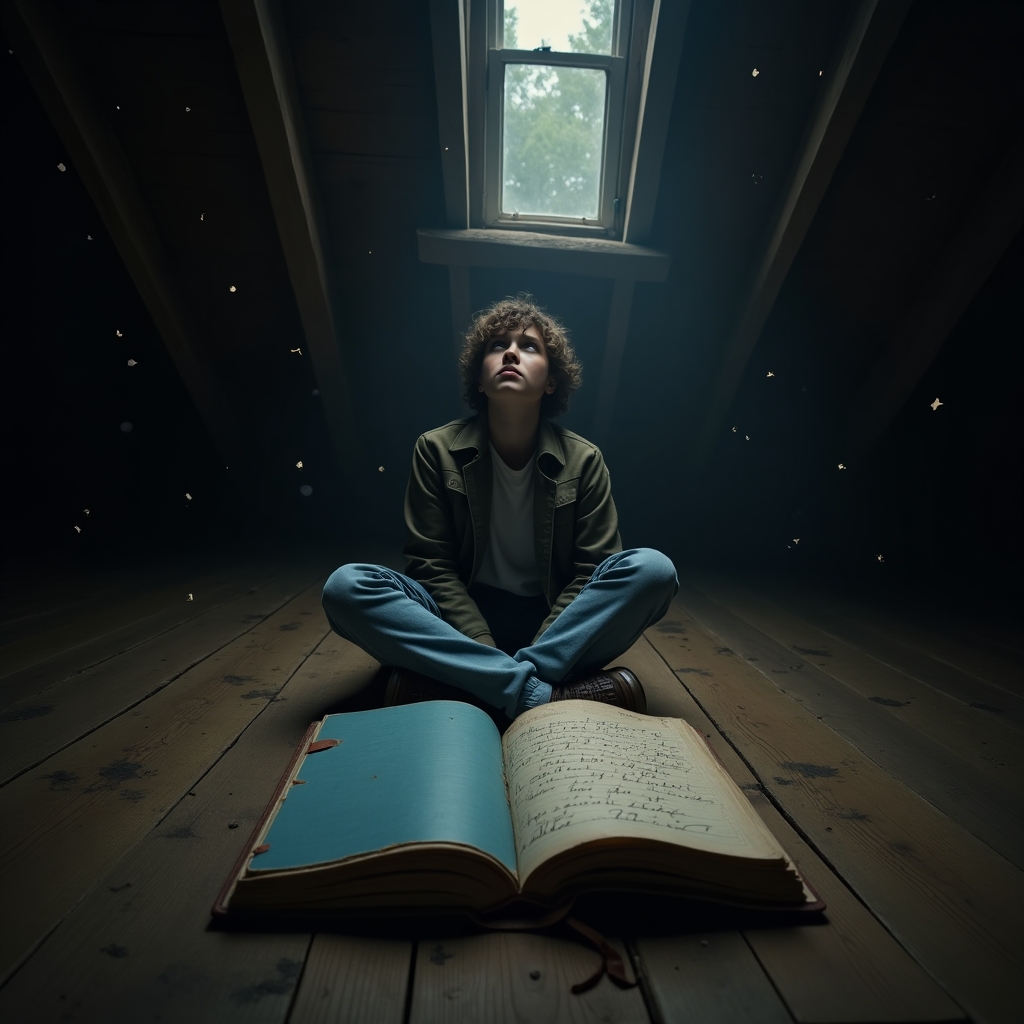
It started with a wooden box. An ordinary object in my grandmother’s attic, hidden beneath frayed quilts and dusty photo albums. I’d been sorting through her things, helping her downsize to move into a smaller place. It was a hot summer day, and the air in the attic was thick and heavy, almost as if it knew it was guarding something significant.
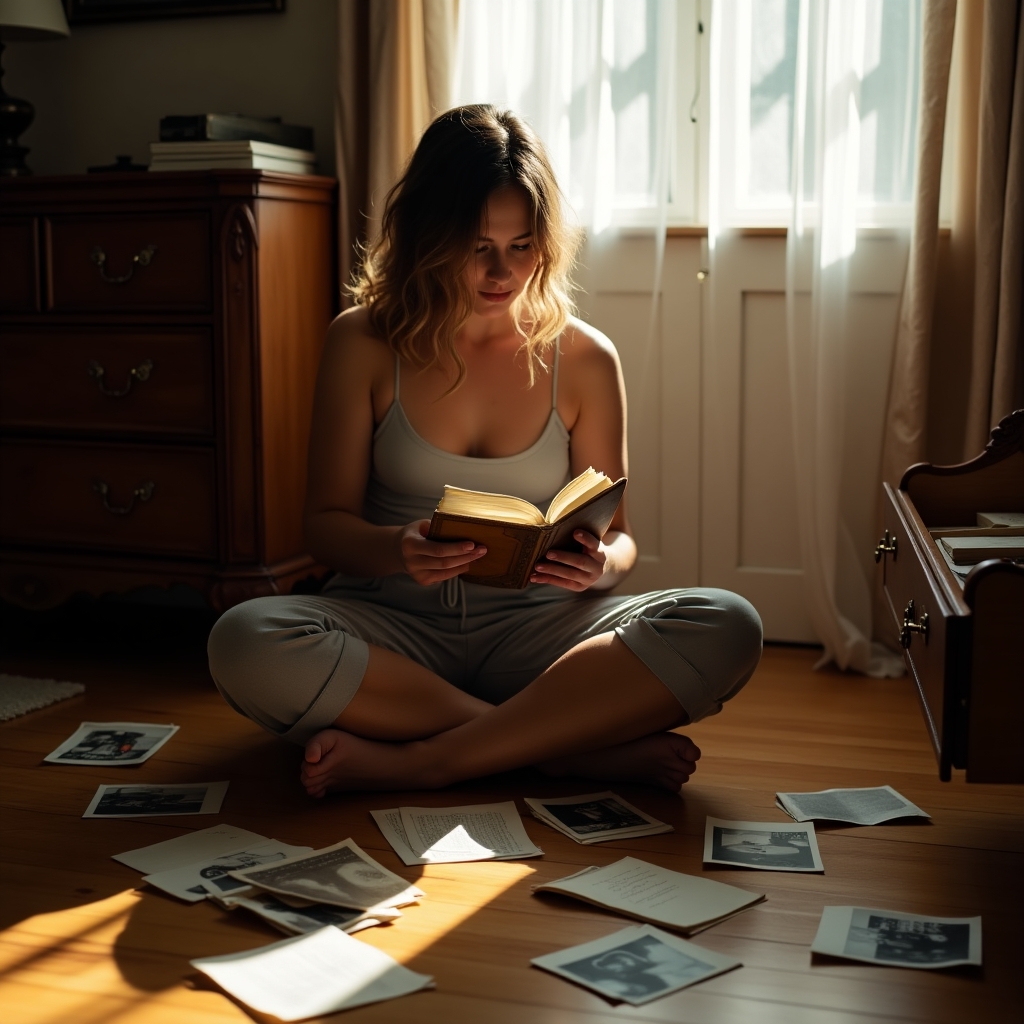
Inside the box were letters. Dozens of them, tied neatly with a faded blue ribbon. They were addressed to my father, written in a looping script I didn’t recognize. At first, I hesitated to read them. They felt sacred, like touching the past with careless fingers might shatter its fragile spell. But curiosity got the best of me.
As I read through the first few letters, I realized they were written by a woman named Eliza. Her tone was warm, affectionate. She wrote about her life, her struggles, her dreams, and most heartbreakingly, her love for a young boy—my father. Letter after letter, she poured her heart out, and slowly, an unsettling truth began to surface.
Eliza was my father’s biological mother.
My heart pounded in my chest as the realization settled in. My father, the man I had known as the cornerstone of our family, had been adopted. I quickly became aware of how little I truly knew about his early life. The letters painted a portrait of love and loss, of a woman forced by circumstances to give up her child. Each word felt like a whisper from the past, intricately tied to a secret kept for decades.
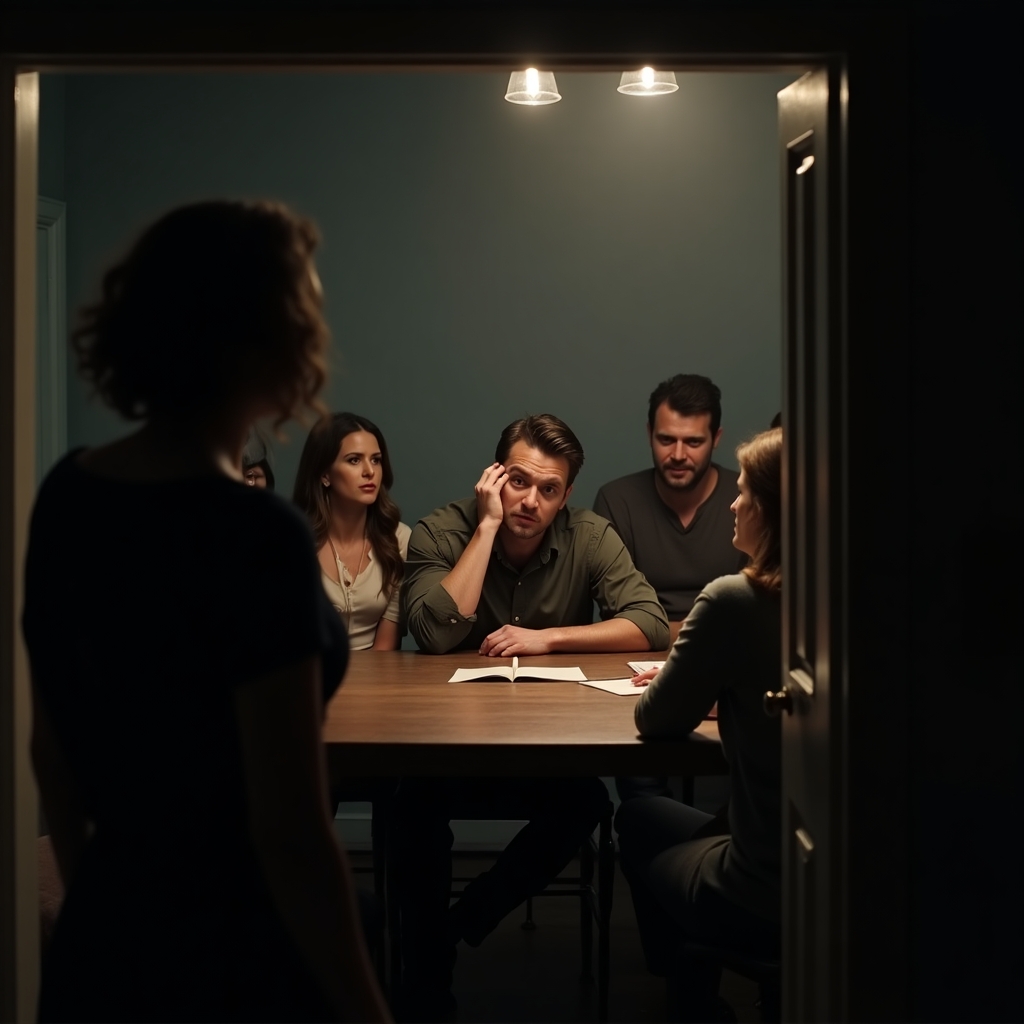
When I finally confronted my father, he was silent at first. I could see the conflict in his eyes, the weight of a truth he had carried alone for so long, bubbling to the surface. “I always knew,” he finally said, voice tinged with a mix of relief and sorrow. “I just didn’t know how to tell you.”
Over the next few weeks, we talked more than we had in years. Each conversation felt like peeling back layers, revealing parts of ourselves that had been buried or ignored. My father told me about Eliza, about the few months they had together before circumstances separated them. He spoke about his adoptive parents, who loved him fiercely but never spoke of Eliza.
Through this discovery, I found a deeper understanding of my father. He wasn’t just my dad; he was a man who had been searching for his place in the world, grappling silently with questions of identity and belonging. It was the same journey I myself had undertaken, trying to understand where I fit into the lineage of my family.
The letters became a bridge between us, a tool for healing and connection. My father and I began visiting Eliza’s grave, leaving flowers and talking to her as if she were there, listening. It was our way of honoring her, acknowledging the impact her love had on us from afar.
In uncovering this truth, I learned that family isn’t just about blood—it’s about the stories we tell, the secrets we keep, and the love that binds us through it all. I feel lighter now, more complete. My father, too, seems more at peace, as if a burden he carried in solitude for too long has finally been lifted.
So why share this here? Because I want to remind you all that sometimes the truths we hide, even with the best intentions, can keep us from truly connecting with those we love. And maybe, just maybe, sharing our stories can help us heal.
Thanks for listening.