

Anna stood in the kitchen, her hands submerged in lukewarm water, washing the same dish for the third time. The repetitive motion, the rhythm of the sponge against porcelain, was supposed to be mindless, but today, her mind was a turbulent sea of thoughts. The clinking of glassware behind her was a familiar sound, a gentle reminder of the countless dinners cooked and conversations overheard in this same room.
“Anna, did you remember to call your brother about the plan for Sunday?” her mother’s voice floated in from the adjoining room, a voice that was always slightly too loud, slightly too insistent.
“I will, Mom,” Anna replied, keeping her voice even. She scrubbed harder at a spot that, for all intents and purposes, wasn’t actually there.
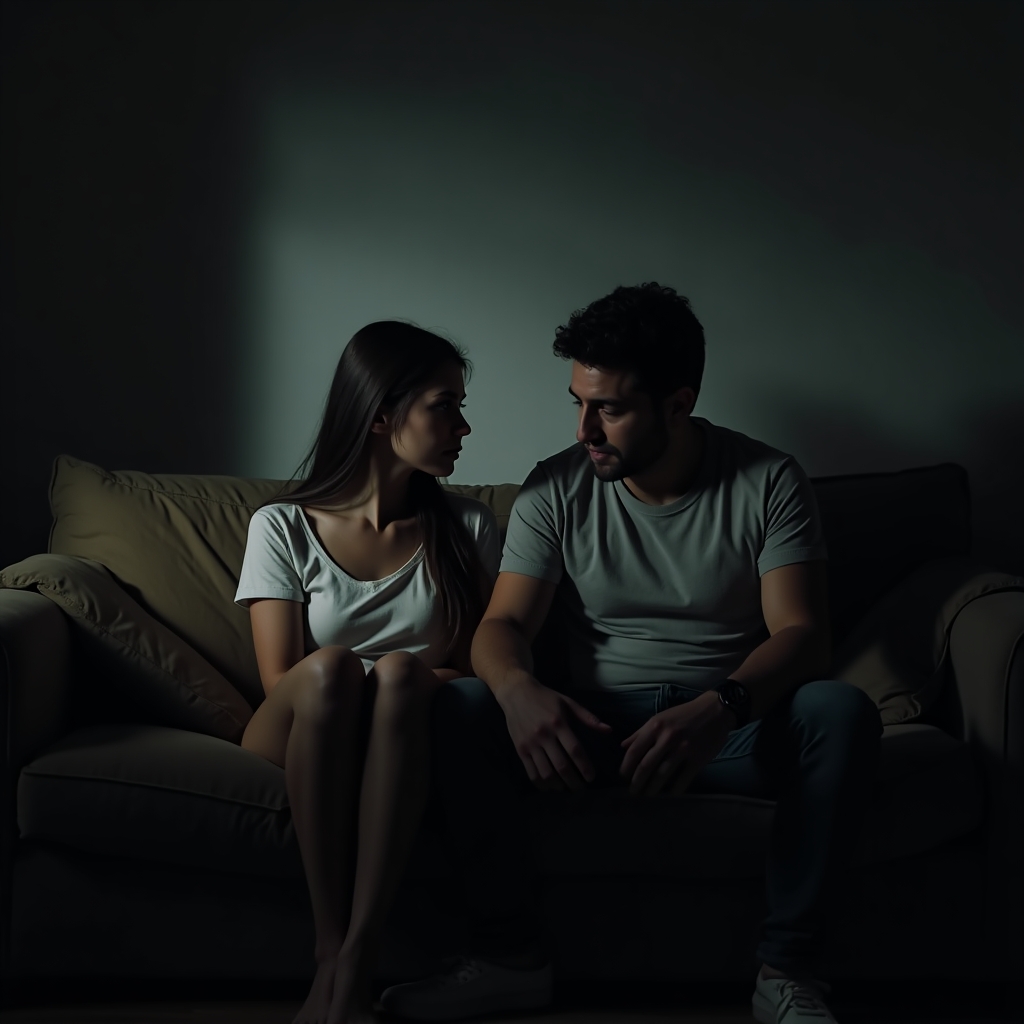
Her mother had meant well, she always did. But the well-meaning check-ins had grown over the years into something more. They had stopped being suggestions or friendly reminders; they were imperatives, spoken softly yet with a weight that Anna felt in her bones.
She dried the plate and moved to the living room, where her mother sat with a magazine poised at an angle that suggested interest, but the way her eyes flicked over the top betrayed her focus. “Have you thought about joining the book club with Ellen? You know, keeping busy is good for you,” her mother suggested without looking up.
Anna nodded, a small, automatic gesture that she had perfected over the years. “Yeah, maybe,” she said, not committing to anything beyond the moment.
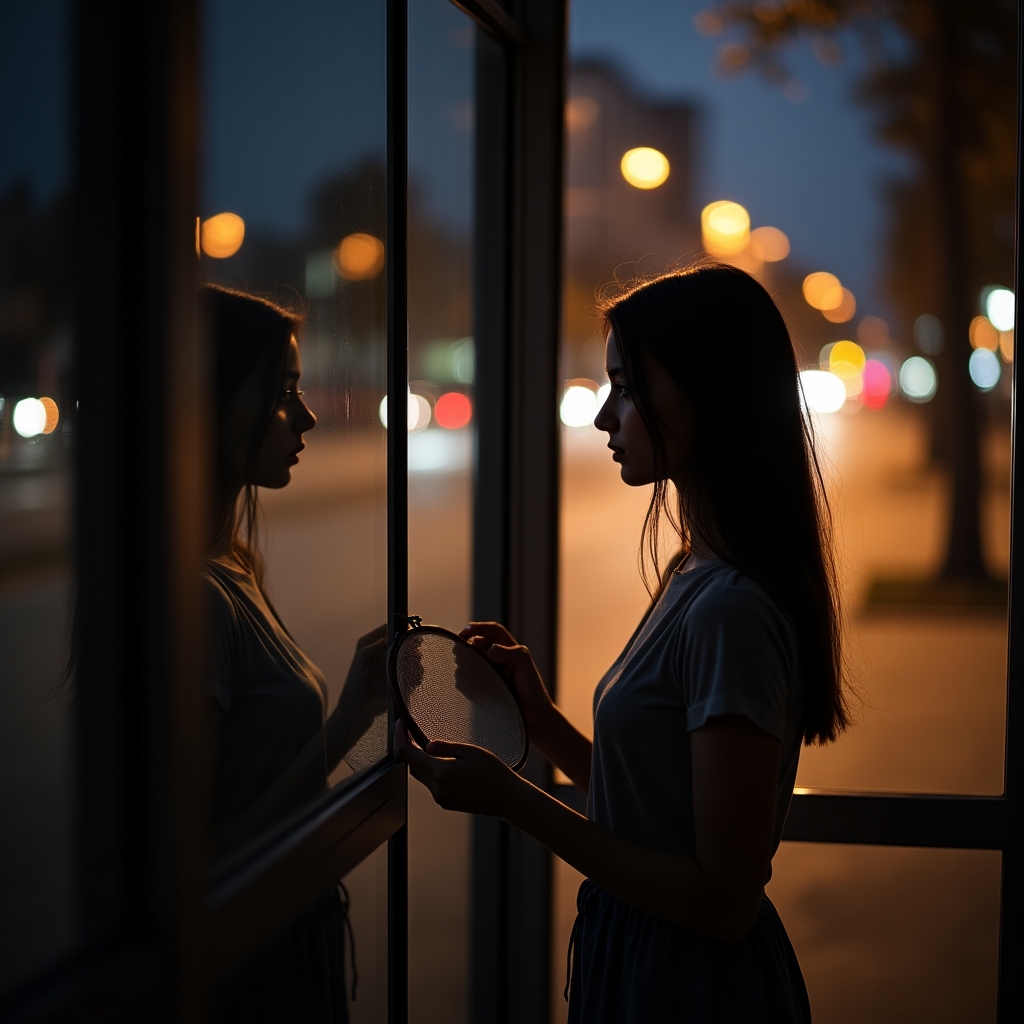
It wasn’t that she didn’t like Ellen, or books, or clubs for that matter. It was just that so much of what she did—or didn’t do—was dictated by invisible walls built from obligations and expectations she had never questioned until recently.
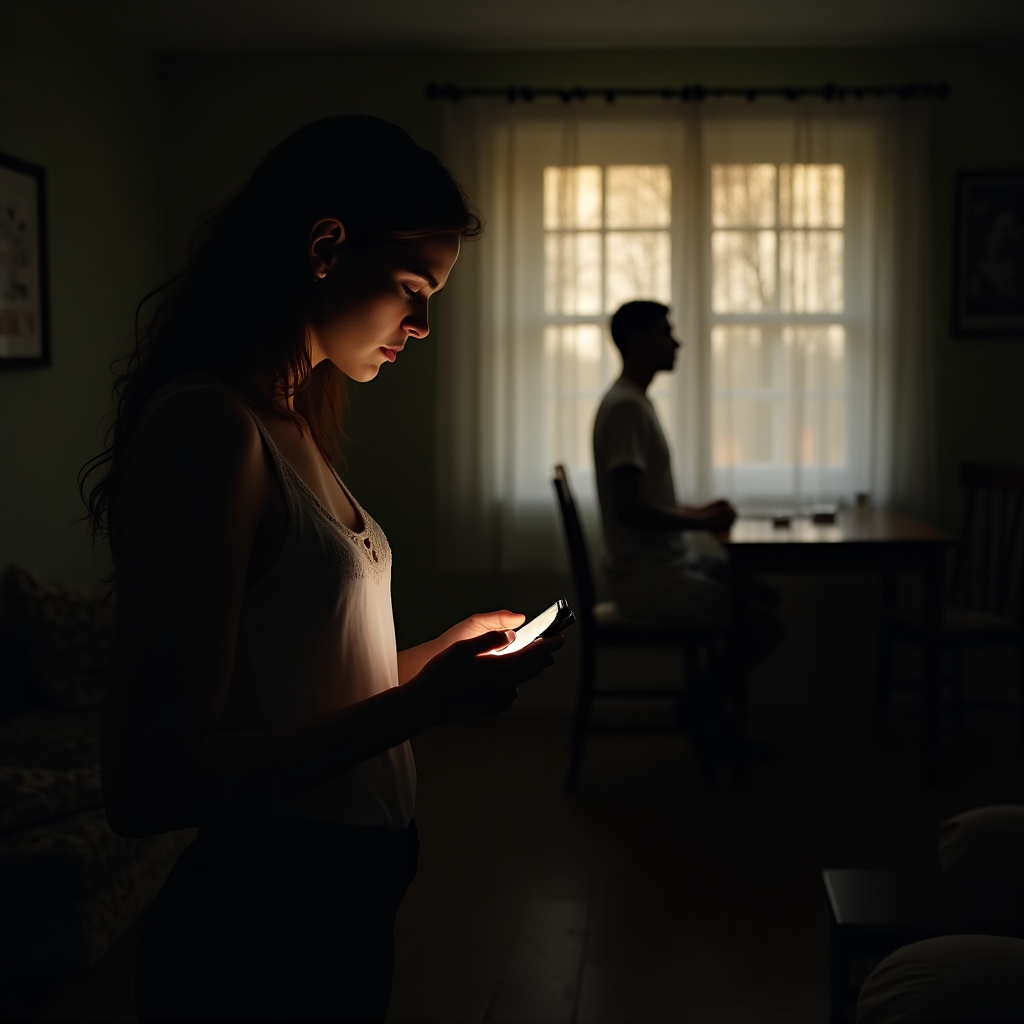
The afternoon sun filtered through the windows, casting a warm glow around the room, but Anna felt a chill. She excused herself to her room, claiming a headache as an excuse. Once inside, she closed the door and sat on the edge of her bed, the pressure of the day easing as she let out a slow breath.
Anna found herself thinking back to a conversation she’d had a week ago at work with Sarah, a new colleague. They’d been in the break room, making tea.
“So, what do you do for fun?” Sarah had asked, her curiosity genuine.
Anna had paused, caught off-guard. “Oh, you know, the usual stuff,” she’d replied.
“Like?”
“Um, I read, sometimes walk in the park. Stuff like that,” Anna said, realizing as she spoke that she was describing activities more than interests.
Sarah had smiled. “That sounds nice. I’ve been trying to pick up painting again. It’s been good, you know, just doing something for myself.”
That conversation had lingered with Anna, like a melody that couldn’t quite be forgotten. The idea of doing something solely for herself had remained a foreign concept, tucked away in the corners of her mind.
Now, sitting alone in her room, Anna felt the weight of the unused canvas in the corner, a gift from years ago, untouched. She stood up abruptly, as if propelled by an unknown force, and moved towards it. With each step, her heart beat faster, an unfamiliar mix of apprehension and excitement.
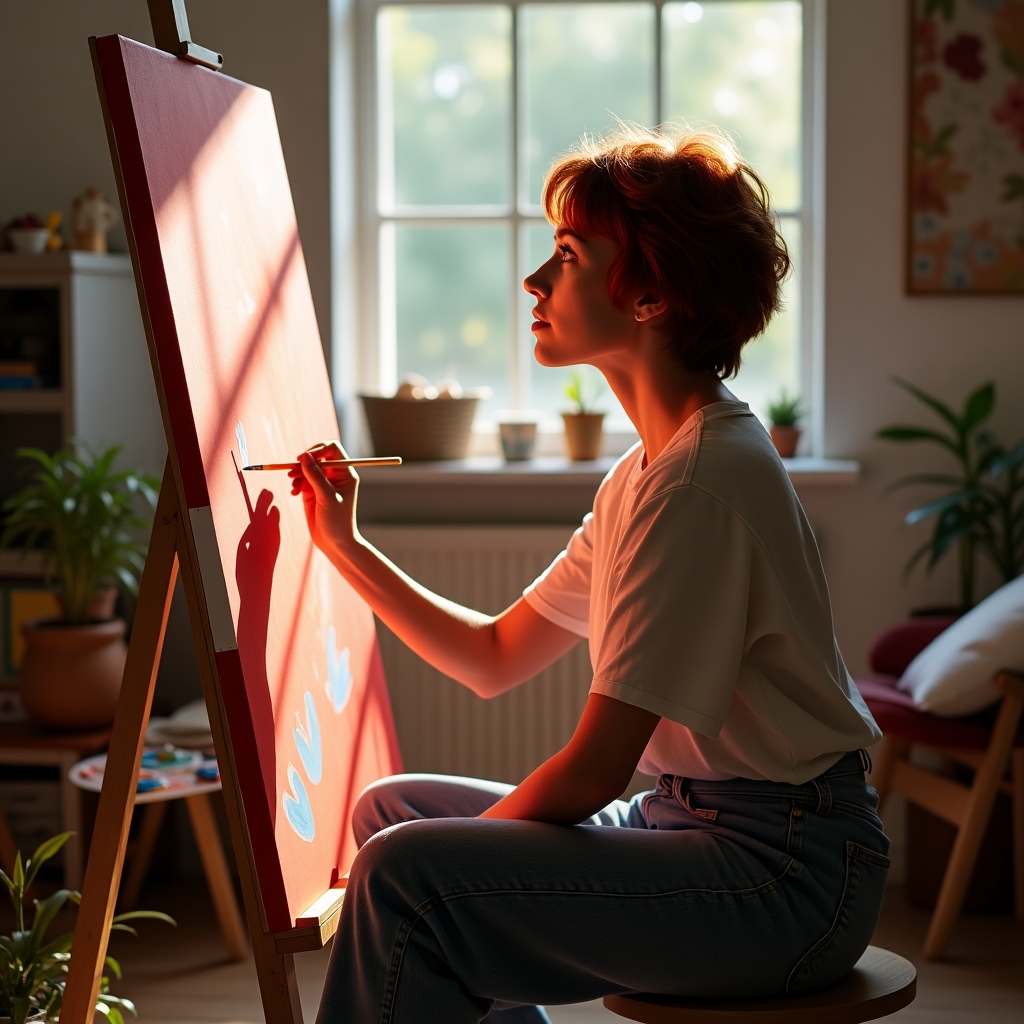
The canvas was blank, a mirror to the parts of her life she had left similarly untouched. She retrieved the paints from the drawer, their colors bright and promising. Anna perched on the small stool in front of the canvas and dipped a brush into the red paint, hesitating only for a moment before dragging it across the white surface.
The color was bold, striking against the blankness, and she felt a thrill she hadn’t anticipated. It was a small act, a mere brushstroke, but it was hers. Completely and undeniably hers.
Later that day, her mother peeked into the room. “What are you up to, dear?”
Anna turned, the brush still in her hand. “Painting,” she said simply.
Her mother nodded, a slight look of surprise on her face, but she didn’t comment. Instead, she left, leaving Anna alone with her newfound sense of purpose.
As the days turned into weeks, the painting grew. Each evening, after fulfilling her duties, Anna would retreat to her room and add to it, each stroke of color a conversation she was finally having with herself. The more she painted, the more she realized how art was reshaping her inner landscape, carving out spaces where her voice could be heard, as loud or as soft as she wanted it to be.
One evening, her father joined her, sitting on the edge of her bed. “You’ve made quite the progress,” he remarked.
Anna nodded, smiling. “It’s nice, finding something that’s just mine,” she admitted.
He looked at her, a softness in his eyes. “I think it’s good you’re doing this,” he said gently. “Just don’t lose yourself in it.”
Anna considered his words, recognizing the underlying concern, but she already knew: she wasn’t losing herself. For the first time, she was beginning to find herself.
And so, the quiet rebellion continued, one brushstroke at a time, a quiet bloom in the corners of her life where sunlight finally began to reach.