

Amara sat on the worn wicker chair in the small, sunlit living room, her fingers tracing patterns on the wooden armrest. The faint aroma of cardamom from the kitchen reminded her of childhood evenings, of her mother humming softly while making tea. The room was filled with relics of another world—photographs from her parents’ village, a faded tapestry, decorative plates with intricate designs. It was a space where past and present coexisted, and where the weight of both pressed down on her shoulders.
Ever since Amara could remember, there had been a path laid out for her, outlined in the stories of success and duty her parents often recounted. They emigrated from their homeland with dreams of a better life for their children, dreams that involved academic achievement, a respectable profession, and, of course, a dutiful family life. Amara was their beacon of hope—the first to attend university, to stride into the world with all the ambitions her parents could only dream of.
But as Amara embarked on her journey, she found herself drawn to the arts, a realm her parents viewed as a precarious detour rather than a viable path. She loved the way stories could mold emotions, how a brushstroke could convey untold depths. Yet, to her family, these passions were mere hobbies, indulgences meant to be sidelined for the more assured stability of a career in law or engineering.
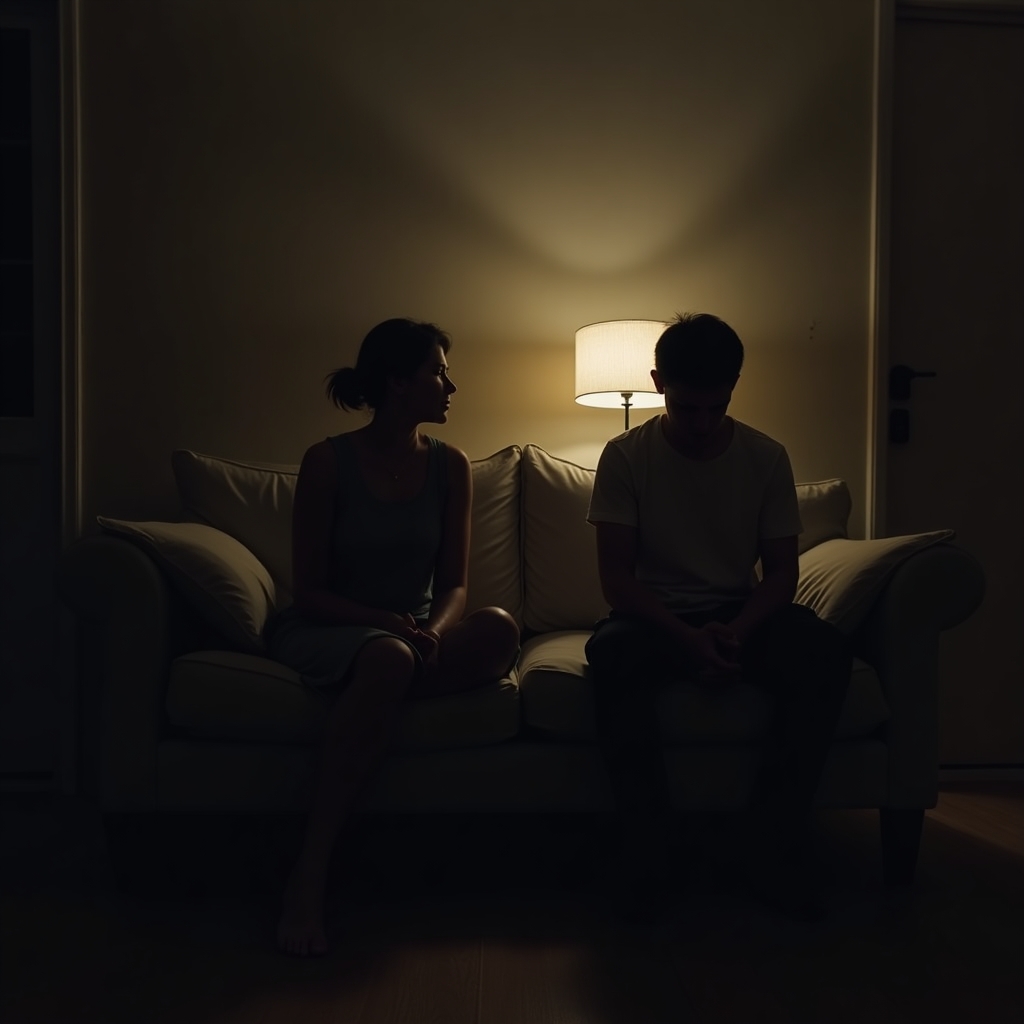
Amara felt the silent tug of war within her—a heart yearning for artistic expression and a mind shackled by the expectations of her family. This tension was not a stormy conflict but a persistent undercurrent, a quiet dissonance resonating through her days like an unresolved chord.
She often escaped to the art studio on campus, where the world seemed to pause, granting her a brief respite from the expectations looming over her. Here, amidst the smell of paint and the quiet hum of creativity, Amara felt most herself. The anxiety that gnawed at her in lectures dissipated with each stroke of the brush, each swirl of color.
Yet, as graduation approached, the pressure intensified. Her parents spoke often of their sacrifices, of their hopes pinned on her success. They meant well, Amara knew, but their words weighed heavy, a burden of love intertwined with duty. It was in this silent struggle, this internal debate, that Amara found herself trapped, unable to voice her desires without fear of disappointment and misunderstanding.
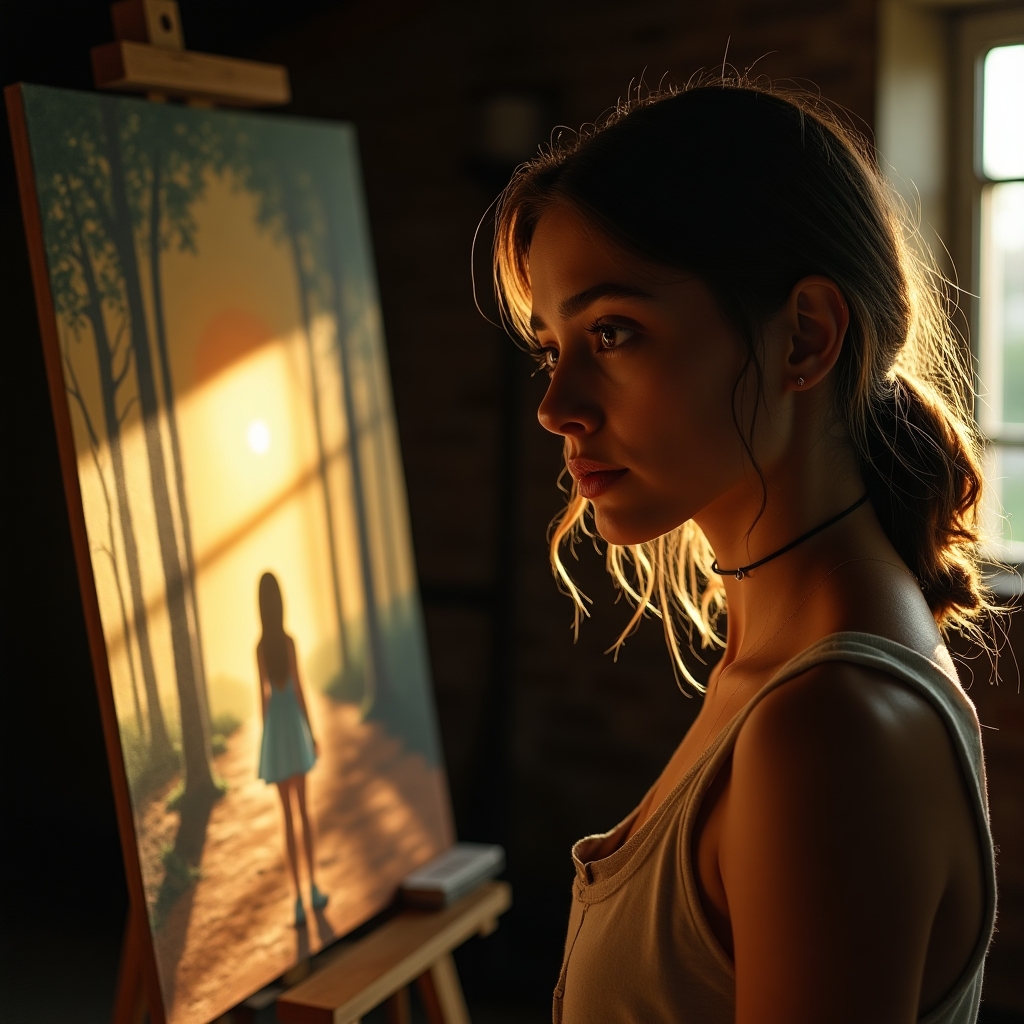
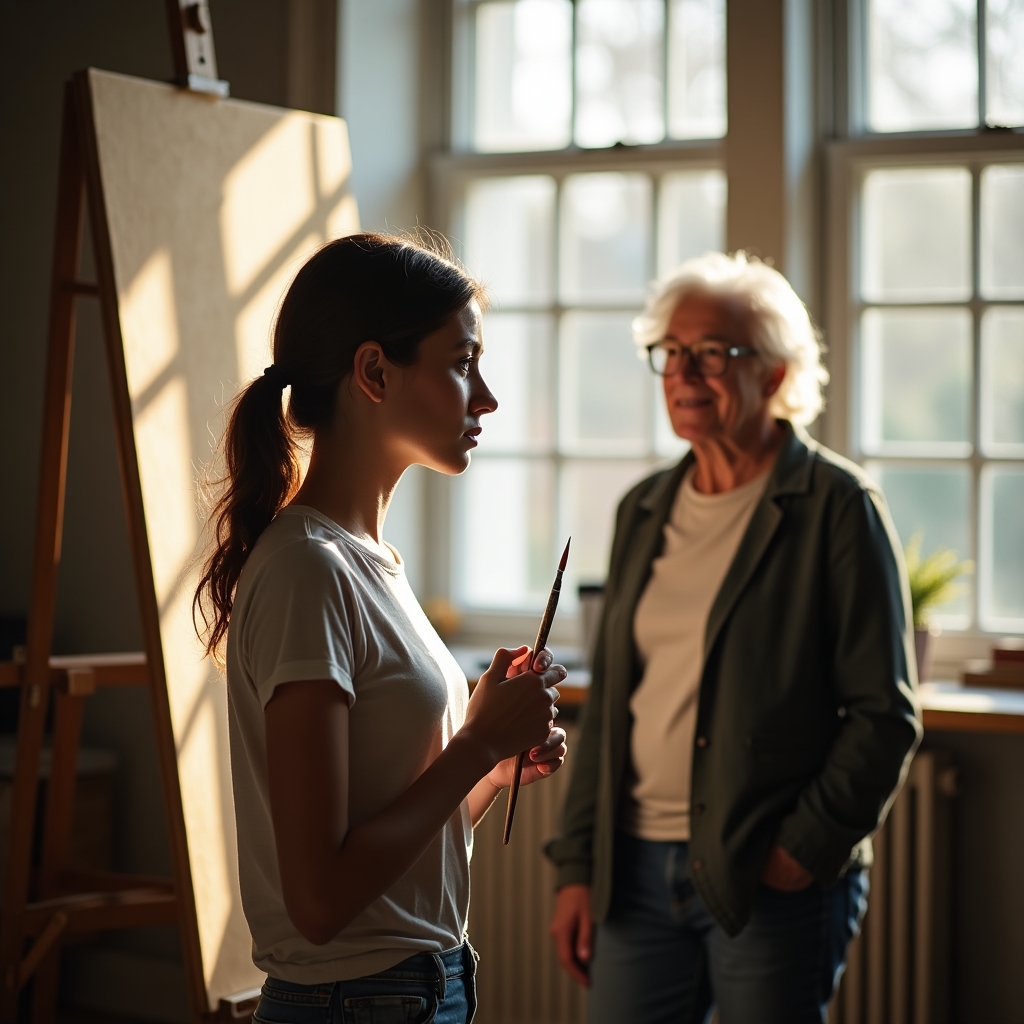
The turning point arrived not with a bang, but with a whisper—a subtle moment that shifted her perspective one quiet afternoon. She was in the art studio, staring at a blank canvas, the sunlight filtering in through the large windows. Her heart felt heavy with the decision she feared making.
As she stood there, contemplating the emptiness before her, an elderly professor entered, a gentle presence who had often guided her with wisdom and understanding. “Amara,” he said softly, “sometimes, the paths we think are laid out for us are not paths at all but walls. It’s up to us to decide when to turn them into doors.”
His words settled in her mind like a seed, and as she began to paint, she realized that the canvas reflected her internal landscape—complicated, full of potential, yet undefined. In that moment, Amara embraced the quiet courage within her. She saw that her truth did not negate her love for her family; it simply offered a different way to honor their sacrifices.
In the days that followed, she began to have quiet conversations with her parents, sharing her aspirations, and listening to their fears. It was not an easy process, but through these dialogues, a new understanding emerged. Her parents began to see her art not as a rejection of their dreams, but an extension of them—a new direction for their hopes.
Amara learned that courage did not always roar; sometimes it was the quiet voice at the end of the day saying, “I will try again tomorrow.” Through this journey, she discovered that love and loyalty could coexist with her own truth, that there was strength in vulnerability, and healing in understanding.
The path ahead was still uncertain, but Amara walked it with a newfound clarity, holding the brush in her hand, ready to paint her own life.