


The morning began like any other. Gray clouds hung low, mirroring Sarah’s mood as she mechanically tidied the kitchen. The clatter of dishes and the hum of the refrigerator were familiar sounds in an otherwise silent house. For years, she’d been the unseen caretaker, her existence woven into the fabric of her family’s routine—always present, yet largely invisible.
Her husband, Mark, bustled in, his tie askew, coffee in hand. ‘Have you seen my briefcase?’ he asked, not really looking at her. Sarah pointed silently to the table where it always was, carefully prepped next to his keys.
‘Thanks,’ he murmured, already distracted, his mind elsewhere. She watched him leave, the front door closing with a soft thud, the sound echoing through the stillness that followed.
As the house settled, Sarah’s gaze drifted to the window, the world beyond seeming both inviting and daunting. She remembered a time when she had dreams, vivid and full of color, not yet dulled by the weight of daily sacrifices. She turned her attention to the garden, overrun now, the flowers she once tended to now entangled in weeds.
The phone rang, shaking her from her reverie. It was her mother, as it was every day, the conversation predictable.
‘Sarah, dear, you sound tired,’ her mother began, her tone both concerned and critical.
‘I’m fine, Mom,’ Sarah replied, her voice carrying the practiced weariness of reassurance.
‘You should take better care of yourself. You know how important it is to look nice for Mark,’ her mother continued, oblivious to the way her words tightened around Sarah like a noose.
‘I know, Mom,’ Sarah replied, her fingers tracing absent patterns on the countertop.
The call ended, leaving silence in its wake, the same resignation seeping back into her day. She busied herself with chores, her movements automatic, as if pushing through an invisible weight that held her in place.
As afternoon slid into evening, Sarah found herself in the garden, compelled by a mix of nostalgia and yearning. She sank her hands into the soil, feeling a connection to something real and grounding. It was in these moments that she felt a flicker of herself, a whisper of who she used to be before she became molded to fit the needs of others.
Inside, the sound of the door opening and closing announced Mark’s return. ‘Sarah?’ he called.
‘In the garden,’ she replied, wiping dirt from her hands as she rose to meet him.
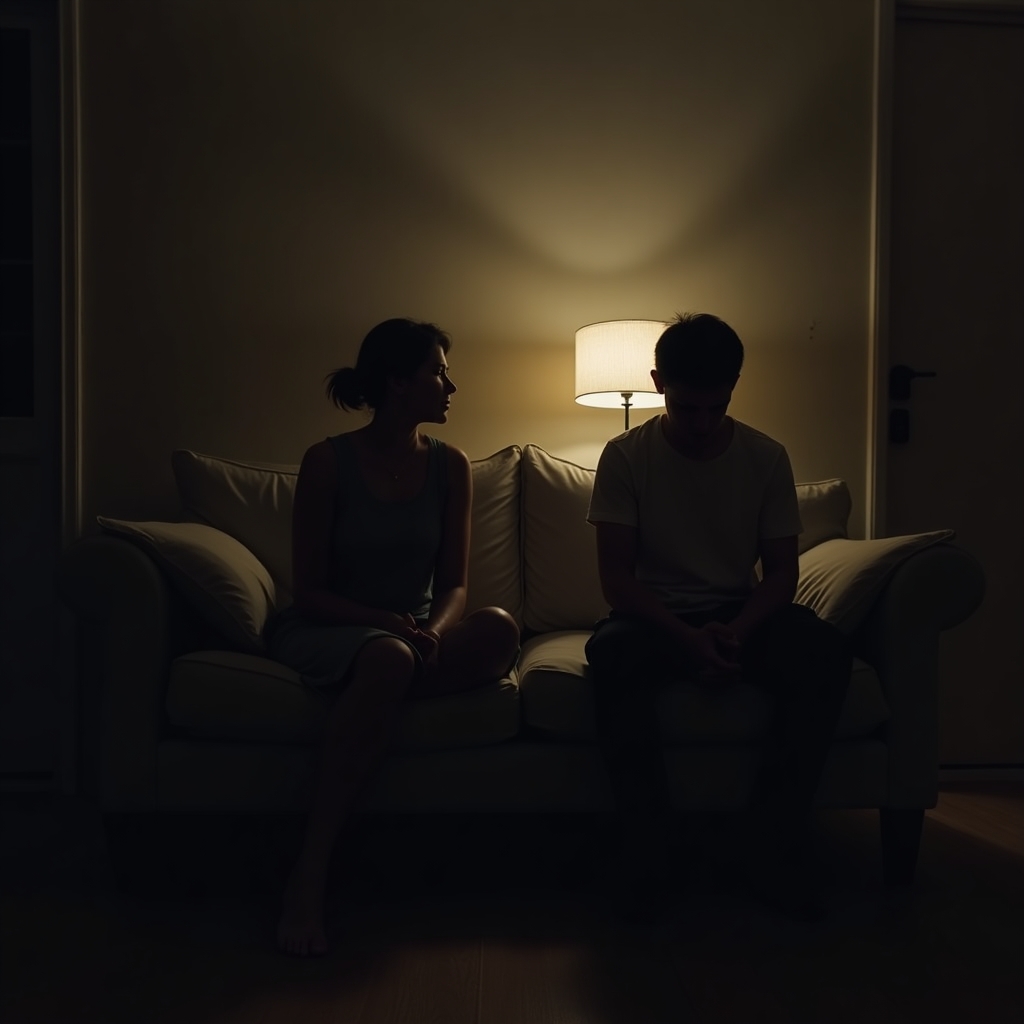
As they sat down to dinner, the weight of the day lingered between them. The conversation was the usual litany of Mark’s work woes and the minutiae of their lives, but tonight something felt different to Sarah. It was as though she was outside the conversation, watching it unfold without participating.
‘I was thinking,’ she began, interrupting Mark’s monologue. ‘I’d like to start painting again.’
Mark looked up, surprised. ‘Painting? You haven’t done that in years.’
‘I know,’ she said, her voice steady despite the tremor of doubt. ‘But I’ve missed it. I think it might be good for me.’
Mark considered this, his expression unreadable. ‘As long as it doesn’t interfere with the house,’ he said finally, the words slipping out like an afterthought.
The conversation moved on, but Sarah felt a tiny ember of defiance spark within her—a small victory, a crack in the walls that had long confined her.
That night, as darkness enveloped the house, Sarah lay awake, her mind spinning with possibilities. The idea of reclaiming a piece of herself was both thrilling and terrifying, but the thought of remaining in her current stasis was even more daunting.
Over the following weeks, Sarah began carving out small pockets of time for herself. She found an old easel in the attic, dusted off her paints, and took to her garden studio. Each stroke of the brush breathed life back into her, colors returning to a world that had long been grayscale.
Her family noticed the changes in small ways—the dishes occasionally left for the morning, the unkempt garden gradually transforming under her care again, and a lightness in Sarah’s demeanor that hadn’t been there for years.
One evening, as she stood at the easel, the sun setting in brilliant hues behind her, Mark came to the door. ‘Sarah, dinner’s ready,’ he said, his tone more curious than commanding.
‘I’ll be in soon,’ she replied, not turning away from her work.
For the first time, Mark lingered, watching her paint. ‘You’re getting really good,’ he admitted, a touch of admiration in his voice.
‘Thanks,’ she said, her smile genuine. ‘I feel good doing it.’
And just like that, the dam began to break. Sarah realized that her life didn’t have to be an either/or, a choice between her family’s needs and her own identity. It could be both, a tapestry woven with her own colors and threads.
The pivotal moment came one Saturday when Mark suggested they visit his parents. Normally, Sarah would comply without question, but this time she hesitated.
‘I’ve planned a painting class that day,’ she said. ‘Maybe you could take the kids, and I’ll join you later.’
Mark looked surprised, the plans clearly upended, but he nodded. ‘Sure, we can do that.’
As he turned away, Sarah felt a profound shift within her—a mix of liberation and fear. She had asserted herself, not with defiance, but with quiet certainty.
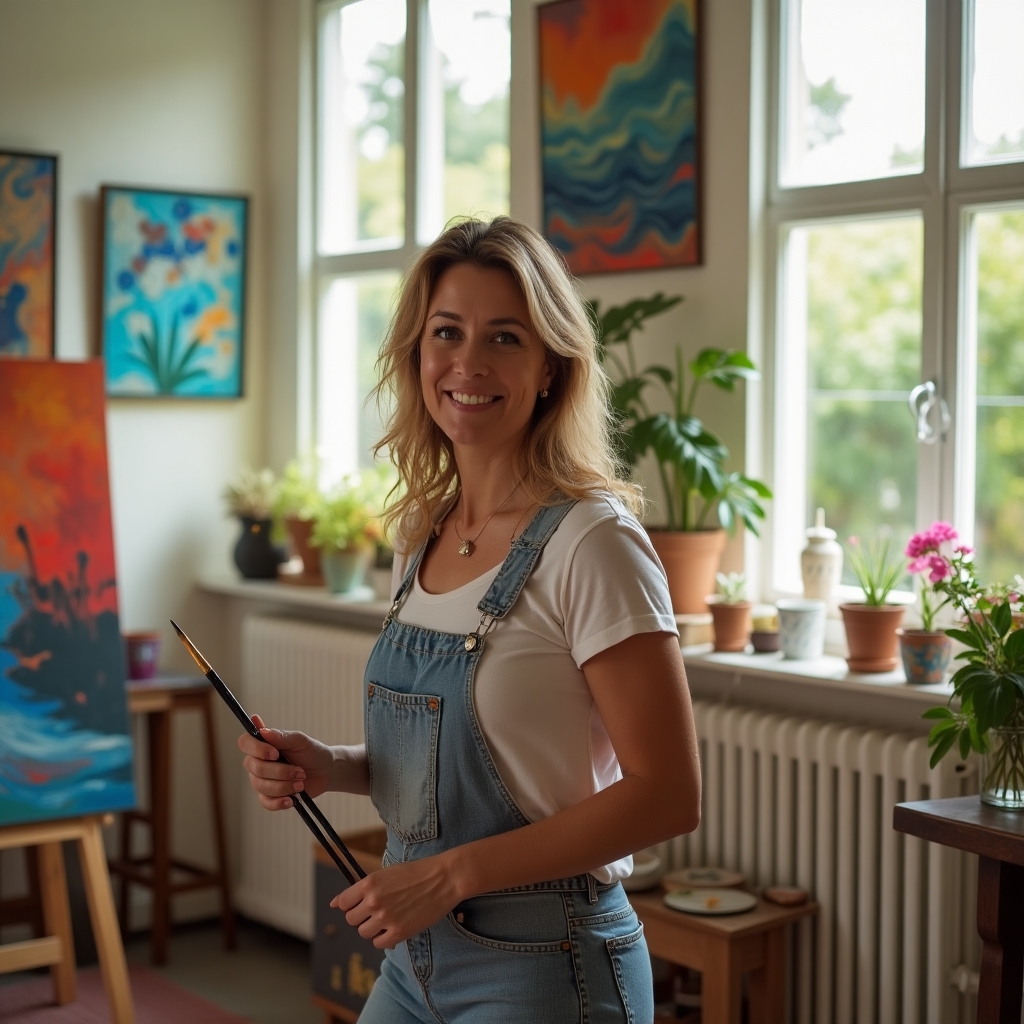
Later that day, as she stood in the studio, sunlight spilling through the windows, she let herself savor this new sense of autonomy. It was a small step, but it marked the beginning of something larger—a reclamation of her life, a quiet revolution of her own making.
Sarah’s world was still the same, yet irrevocably changed. She understood now that autonomy wasn’t a singular act, but a series of choices that defined her boundaries and celebrated her identity. And it was in these choices that she found her voice, her freedom, and ultimately, herself.