LOS ANGELES — Walk down any red carpet, from the Oscars to late-night talk shows, and you will notice a striking pattern: Tinseltown is shrinking. The silent force behind Hollywood’s sudden, uniform lean-down isn’t a secret macro-diet or double-session pilates routines. It is Ozempic—the Type 2 diabetes medication that transformed into Tinseltown’s ultimate cheat code, sparking a global frenzy, skyrocketing pharmaceutical stocks, and opening a rift between medical necessity and aesthetic perfection.
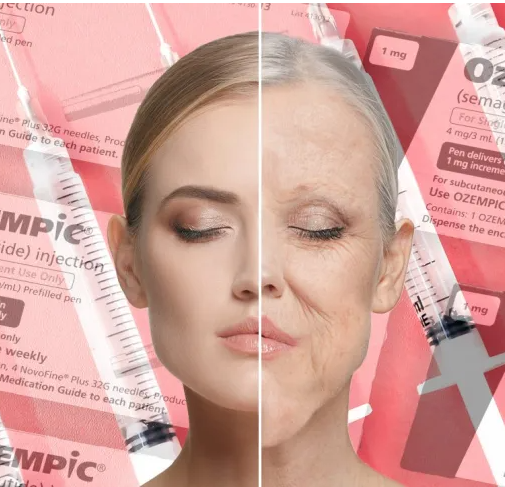
The A-List Unfiltered: Who’s Injecting and Who’s Calling It Out?
For months, the unspoken rule in entertainment was silence. Today, the dam has broken, with a divide emerging between celebrities praising the medication and those sounding the alarm.
- The Converts: Media icon Oprah Winfrey brought GLP-1 medications into mainstream conversation, describing them as “relief, redemption, and a gift” to shed decades of public weight-loss shame. Meanwhile, tech mogul Elon Musk casually credited his lean physique to fasting and semaglutide injections, and reality TV veteran Sharon Osbourne revealed a dramatic 42-pound drop, hailing the drug while warning she couldn’t afford to lose any more weight.
- The Cautionary Tales: Comedian Amy Schumer tried Ozempic but abruptly quit, disclosing that severe nausea left her too weak to play catch with her young son. British icon Stephen Fry reported shedding over five stone rapidly, only to abandon the treatment after experiencing intense nausea.
- The Denials & Backlash: Stars like Khloé Kardashian and Lizzo have hit back against social media speculation, urging fans not to discredit years of rigorous training and fitness routines. Meanwhile, figures like Jameela Jamil continue to condemn the trend, pointing to off-label vanity spikes that trigger supply shortages for diabetic patients who rely on the medication for survival.
Beyond the Red Carpet: Medical Warnings Mount
While Hollywood celebrates rapid body transformations, medical investigators warn that stopping the injections presents serious risks.
A landmark study published in BMJ Medicine examined over 330,000 patients and found that discontinuing GLP-1 therapy causes cardiovascular protections to fade rapidly. Patients who stopped treatment faced a 22% higher risk of major cardiovascular events—including heart attacks and strokes—compared to those who remained on continuous therapy. Researchers caution that stopping GLP-1s leads to a swift rebound in systemic inflammation, elevated blood pressure, and cholesterol levels alongside weight regain.
Simultaneously, drugmaker Novo Nordisk faces a wave of US federal lawsuits. Plaintiffs allege that GLP-1 medications caused nonarteritic anterior ischemic optic neuropathy (NAION)—a rare eye condition stemming from reduced optic nerve blood flow that can cause permanent vision loss. While Novo Nordisk maintains the claims lack merit citing clinical trial data, the FDA continues monitoring safety reports as research expands.
Ozempic has fundamentally altered global culture, but as clinical realities surface, the public is forced to ask: Is Hollywood’s quick fix worth the long-term price tag?