In recent years, red carpet events, award shows, and talk show appearances have been dominated by a single visually striking narrative: dramatic celebrity physical transformations. Figures who spent decades as recognizable pop culture icons have appeared in front of flashing cameras fundamentally transformed, prompting widespread astonishment, intense speculation, and endless headlines.
While tabloid media often framed these sudden changes as overnight miracles, the reality behind celebrity weight loss is far more complex. It involves a mix of cutting-edge pharmaceutical breakthroughs, major surgical interventions, rigorous personal training, and a significant shift in how public figures discuss bodily autonomy and metabolic health.
The GLP-1 Revolution: A Seismic Shift in Celebrity Culture
For decades, Hollywood attributed remarkable transformations almost exclusively to “drinking more water,” strict caloric restriction, or grueling workout routines. However, the emergence of GLP-1 (glucagon-like peptide-1) receptor agonists—originally developed to treat Type 2 diabetes—has permanently changed that narrative.
Medications like semaglutide (marketed under names like Ozempic and Wegovy) and tirzepatide (Mounjaro and Zepbound) work by mimicking natural hormones that regulate blood sugar, slow gastric emptying, and signal fullness to the brain. The result is a substantial, sustained drop in body weight that was previously difficult to achieve through diet and exercise alone.
The cultural impact of these pharmaceuticals became undeniable when high-profile figures began speaking candidly about their use:
- Oprah Winfrey: After decades of public scrutiny regarding her weight, Winfrey publicly revealed her use of weight-loss medication as a maintenance tool, framing obesity as a biological condition rather than a failure of willpower.
- Kathy Bates: The Oscar-winning actress lost 100 pounds over seven years, sharing that while lifestyle adjustments accounted for the majority of her journey, GLP-1 medication helped her navigate the final stretch to manage her Type 2 diabetes and health goals.
- Kelly Clarkson: The singer and talk show host candidly shared that her notable physical transformation was aided by a doctor-prescribed medication that helps process sugar, clarifying that her medical team had recommended it following blood work concerns.



This transparency marks a departure from earlier Hollywood eras, replacing secret routines with open discussions about medical science.
Surgery and Sustainable Overhauls: Traditional Paths
While prescription medications have captured recent headlines, traditional medical interventions and long-term behavioral changes remain fundamental to many high-profile transformations.
Bariatric Interventions
Surgical procedures—such as gastric bypass and sleeve gastrectomy—have long provided life-changing health outcomes for individuals struggling with severe obesity.
- Al Roker: The long-time Today show weatherman underwent gastric bypass surgery in 2002, shedding over 150 pounds. More importantly, Roker has maintained his health over two decades through a disciplined routine of daily movement, strength training, and portion control.
- Rebel Wilson: The Australian actress undertook a deliberate “Year of Health” in 2020, combining high-intensity training, clean eating, and medical guidance to achieve a major physical shift.
Behavioral and Physical Conditioning
For others, dramatic shifts stem from intense lifestyle overhauls often prompted by health diagnoses or mental well-being:

- Adele: The Grammy-winning singer shed roughly 100 pounds over two years. Adele emphasized that her motivation was rooted in managing anxiety and building physical strength through daily weight lifting, boxing, and circuit training rather than aesthetic weight loss.
- Ree Drummond: “The Pioneer Woman” lost more than 50 pounds through calorie tracking, reducing sugar intake, rowing, and consistent daily exercise without relying on quick fixes.
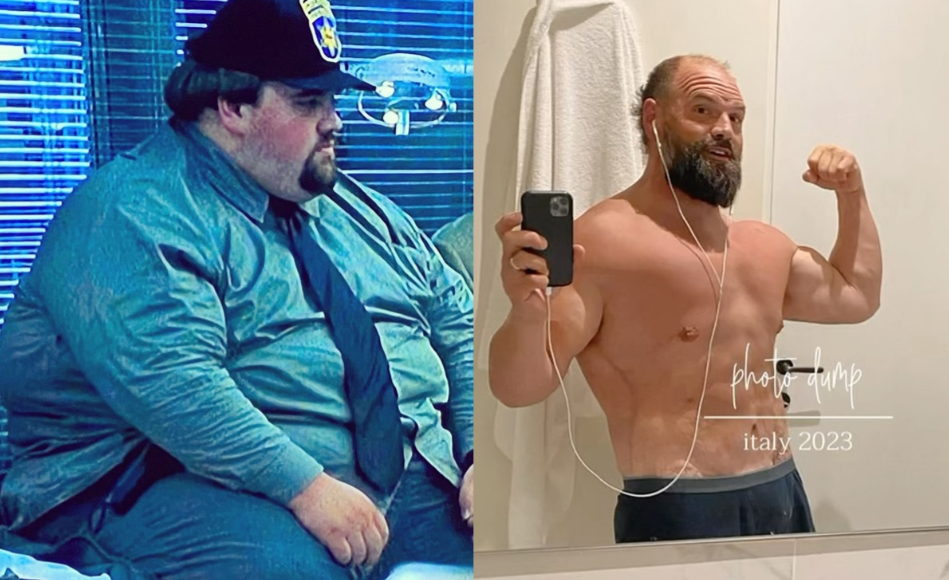
- Ethan Suplee: The actor underwent one of the film industry’s most stark transformations, shifting from over 500 pounds to a muscular physique through heavy resistance training and precise macro-nutrient tracking.

The Side Effects and Medical Realities
The rapid pace of celebrity physical transformations has highlighted important health and medical considerations:
1. Aesthetic Changes (“Ozempic Face”)
Rapid weight loss—regardless of method—frequently leads to a loss of facial fat pads, resulting in a hollowed or prematurely aged appearance. Dermatologists and plastic surgeons have reported a steep rise in patients seeking fillers, skin-tightening procedures, or facial fat transfers to correct volume loss following substantial weight reduction.
2. Muscle Mass Reduction
When body mass drops quickly, a significant portion of the loss can come from lean muscle tissue rather than visceral fat. Medical experts continuously stress that weight management programs—especially those involving GLP-1s—must be paired with resistance training and high protein intake to preserve muscular function and metabolic health.
3. Gastrointestinal and Long-Term Effects
GLP-1 medications frequently cause side effects such as nausea, vomiting, constipation, and in rare cases, pancreatitis or gastroparesis (stomach paralysis). Doctors caution that these drugs are designed for long-term chronic disease management; stopping the medication often leads to a rebound in appetite and weight regain.