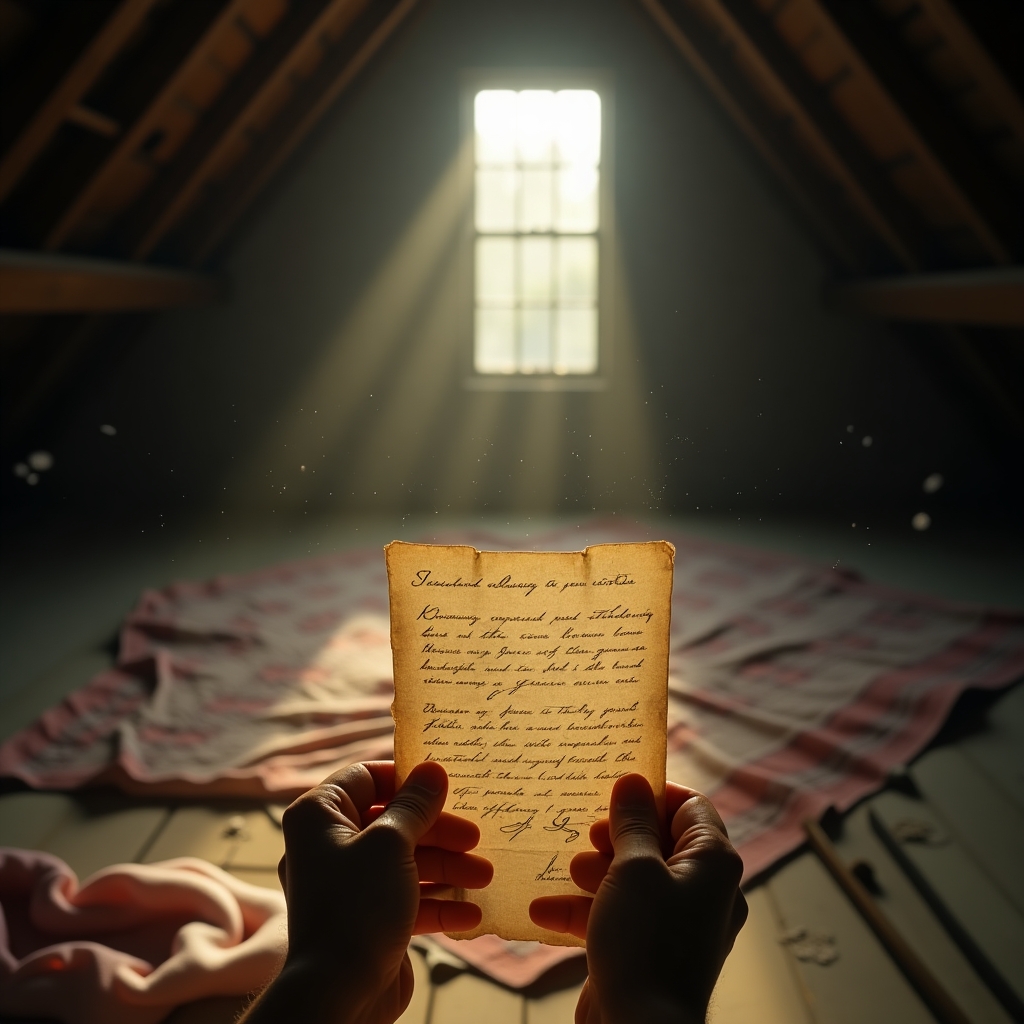


Ayaan sat on the edge of his bed, fingers tracing the etched patterns on the side of an old, wooden box. It was a family heirloom, carved by his grandfather from a resilient oak that had stood on their ancestral land for centuries. The box was beautiful, a symbol of heritage, but Ayaan questioned how much of that heritage he could truly carry.
Growing up in a home where tradition was revered, Ayaan had always felt a heavy sense of obligation. His family lived by unspoken rules rooted deeply in their culture, rules that dictated behavior, career paths, and even the subtleties of how one should feel. His father, Malik, was a man of few words but many expectations, his silence often speaking volumes.
Ayaan’s heart was divided. On one side were the dreams he had nurtured quietly, dreams of pursuing music, which to him was more than just a pastime—it was a language, a chord that connected his inner self to the universe. On the other was his family’s pride and the anticipated role of taking over his father’s business, a vision Malik held dearly.
The conflict simmered inside him, seldom expressing itself in arguments or confrontations. Instead, it lived as a quiet tension, small pangs of guilt or rebellious thoughts that dissipated in the night only to return stronger in the daylight. Each day, sitting in the family-run office, Ayaan felt the walls closing in, boxing him into a destiny carved by others.
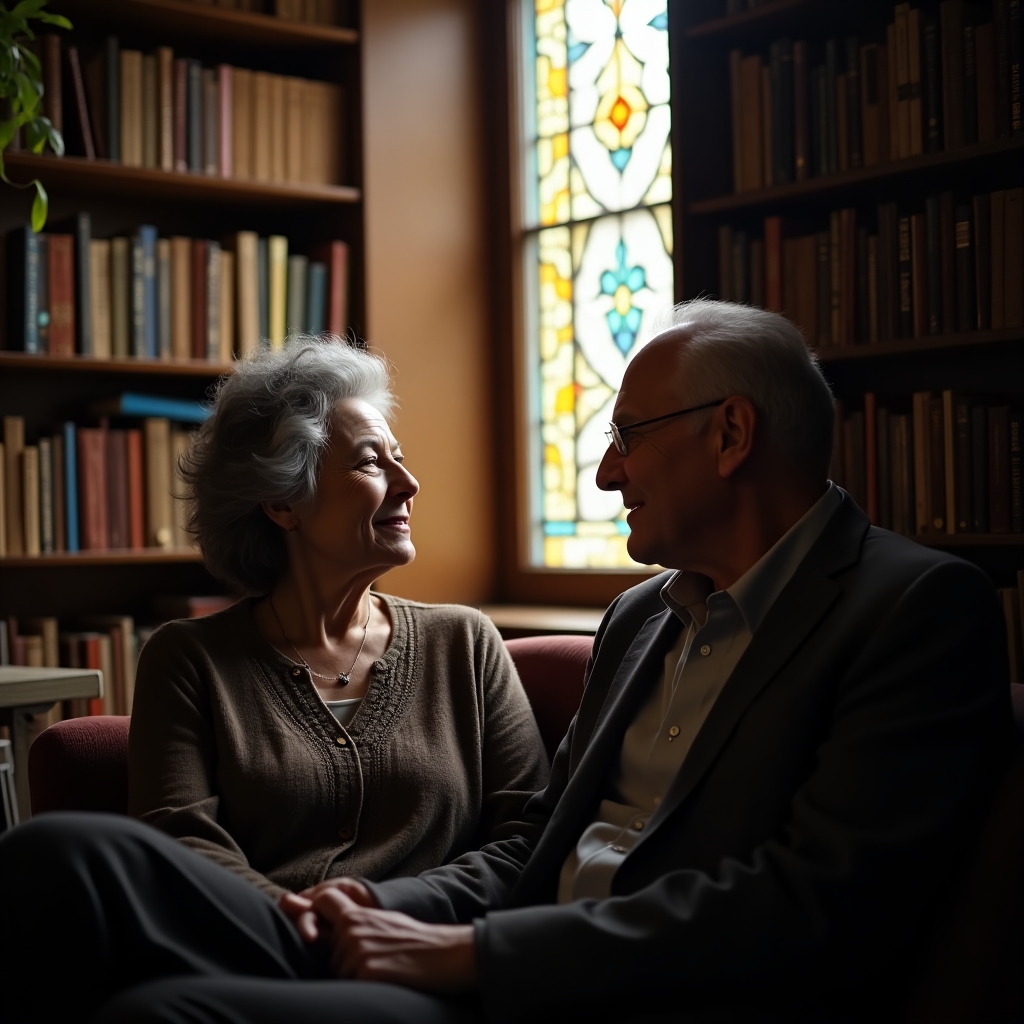
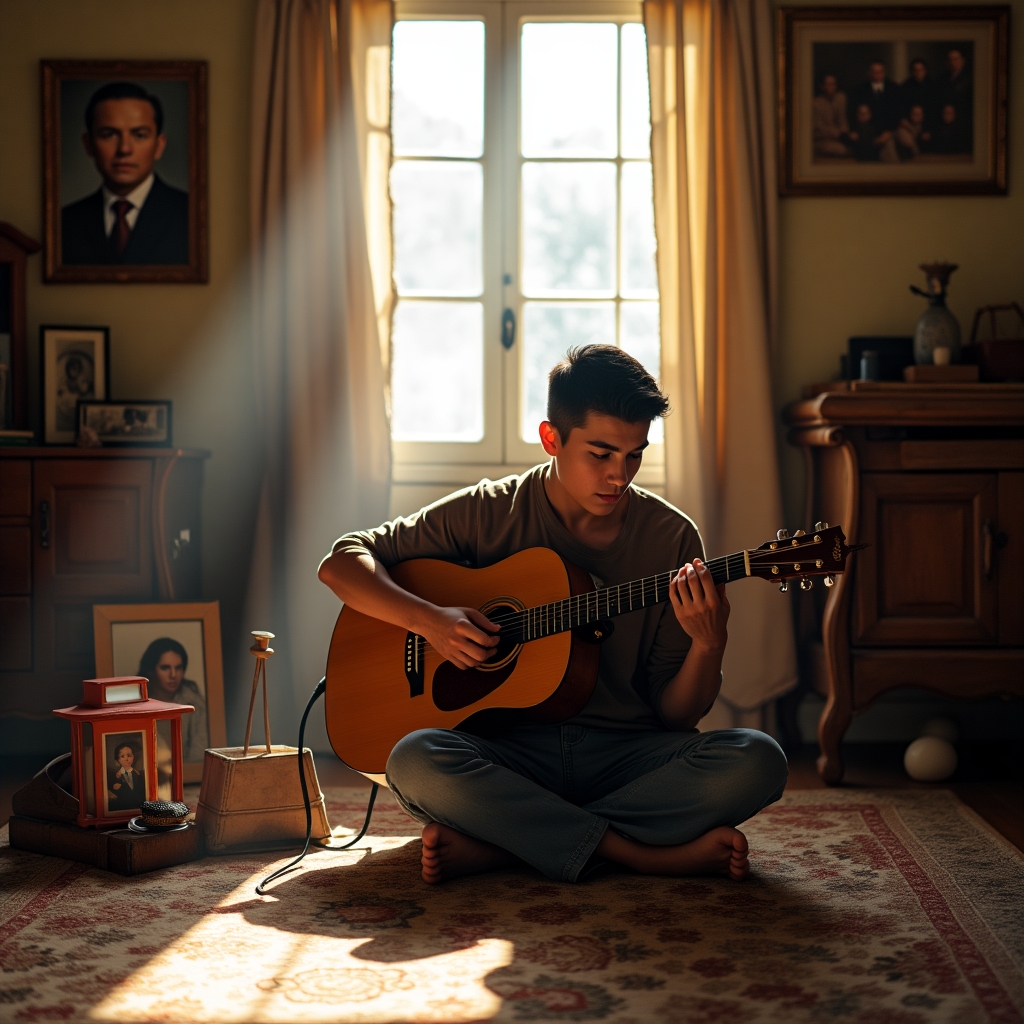
His mother, Amina, sensed his unease but spoke of it in gentle signs rather than direct conversation. She would linger by his room, her eyes filled with a compassion that seemed to say, “I understand,” even though her words never broke the surface of what was expected. In moments when Ayaan played his guitar, hidden in the sanctuary of his room, Amina would silently listen from the hallway, perhaps reminiscing about dreams she too had postponed.
The tension reached its peak one balmy afternoon when Ayaan was tasked with finalizing contracts for a lucrative deal that would cement his place in the company. He sat at his desk, the papers waiting for his signature, the pen heavy in his hand. His mind wandered back to the music festival he had attended the previous year, the thrill of performing, and the connection he felt with the audience. It was a stark contrast to the sterile office, where noise was kept to a minimum and the air smelled of impending decisions.
Hours passed, and Ayaan found himself walking aimlessly through the city, the cacophony of urban life a welcome distraction. He ended up at a small park, a place where children played and elders sat on benches, lost in contemplation. Taking a seat beneath a sprawling banyan tree, he closed his eyes and let the sounds around him wash over – laughter, distant car horns, the rustle of leaves.
In this unguarded moment, a thought crystallized with an emotional clarity he couldn’t ignore. It was as if the earth beneath him paused, waiting for him to acknowledge the truth he had buried for so long: that his life was his own to shape, a canvas not yet painted.
The realization was both terrifying and freeing. How would he tell his father? Would he find the words to convey what music meant to him, how it spoke for him in ways he hadn’t been able to? More importantly, did he have the strength to face inevitable disappointment and still hold true to himself?
Ayaan rose, determination softly etched onto his face. He walked home with a newfound resolve, a quiet strength that whispered promises of authenticity.
That evening, in the living room suffused with the golden hues of sunset, Ayaan approached his father. Malik looked up, sensing the gravity in his son’s demeanor, as Ayaan began to speak. Words flowed from a place of deep honesty, a gentle unraveling of his heart.
It was not an argument, but a conversation—a sharing of truths and dreams. As Ayaan spoke of his love for music, the room filled with a different kind of silence, one heavy with understanding and reluctant acceptance.
Amina, watching from the kitchen doorway, knew that this was a beginning—a step towards something that could heal the generational rift between expectation and individuality. Her eyes met Ayaan’s, and in that shared glance lay a promise that the past needn’t overshadow the future.
In the days that followed, Ayaan found a way to balance his commitments to family and his passion for music. It was not an easy path, but it was his own, and that made all the difference.