



Anaya sat in her sunlit room, the gentle hum of the ceiling fan above her creating a soothing rhythm as her fingers hesitated above the keyboard. Her laptop’s screen was open to the personal statement she needed to submit for a prestigious fellowship that she had dreamt about for years. But the words wouldn’t come. Her mind was swirling with voices — her mother’s hopeful whispers, her father’s silent expectations, and the resounding echo of her grandmother’s unwavering decree to uphold the family’s legacy.
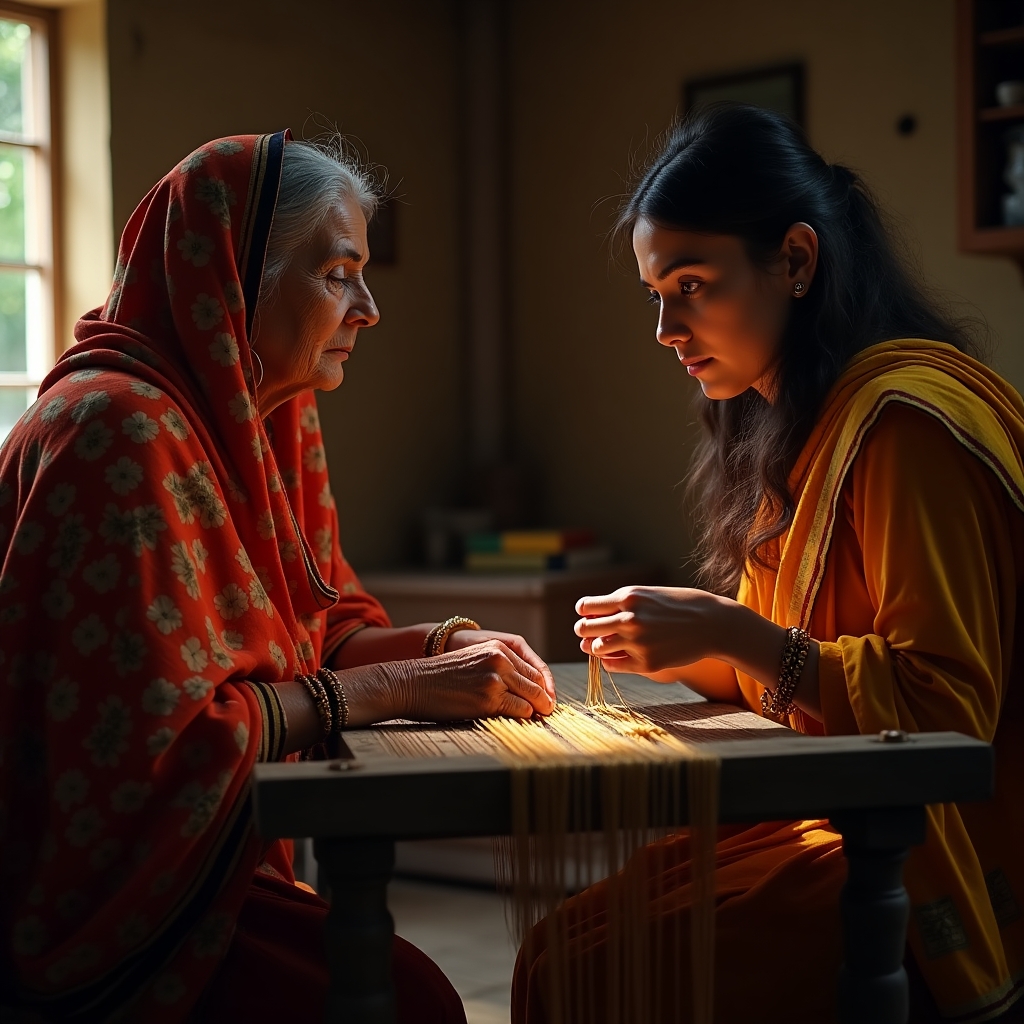
Anaya hailed from a family steeped in tradition. Her ancestors had woven their lives around the rich tapestry of cultural heritage and communal expectations. Her parents had spent years ensuring that she understood her lineage, emphasizing the importance of carrying forward the family values, yet implicitly entrusting her with the freedom to choose her own path.
Despite the open encouragement, there was a subtle, unspoken pressure that came with being the first in her family to step outside their immediate community for higher education. Anaya felt the weight of their dreams and, with it, a quiet trepidation about betraying what they had worked so hard to preserve.
As she stared at the blank document, her mind journeyed back to the afternoons spent under the sprawling branches of the old banyan tree in her grandparents’ courtyard. There, her grandmother had often recounted stories of their ancestors, tales filled with wisdom and a sense of duty. Anaya had always felt grounded in those moments, rooted to a history that was both a source of pride and an anchor that sometimes weighed heavily upon her.
In the eyes of her family, Anaya was destined for greatness, but the definition of ‘greatness’ was a point of contention within herself. She was passionate about writing — a path that promised little financial security but offered her a profound sense of purpose and fulfillment. Her family, however, envisioned her as a trailblazer in a more conventional sense, one who could shore up their reputation with a respectable career in law or business.
The tension persisted like a quiet storm brewing within her, unseen to the outside world but undeniably present, casting shadows on her aspirations. She remembered her mother’s hopeful eyes when they had last visited, the way her father had patted her shoulder, a silent gesture of encouragement. It was these small moments of love and expectation that kept her bound, unable to fully embrace her own desires.
Weeks passed in this state of internal conflict, each day a silent battle between her need for self-expression and the pull of cultural loyalty. Her interactions with her family became more guarded; she shared less of her thoughts on literature and more on plausible career paths that seemed to meet their approval. And yet, the restlessness within her grew.
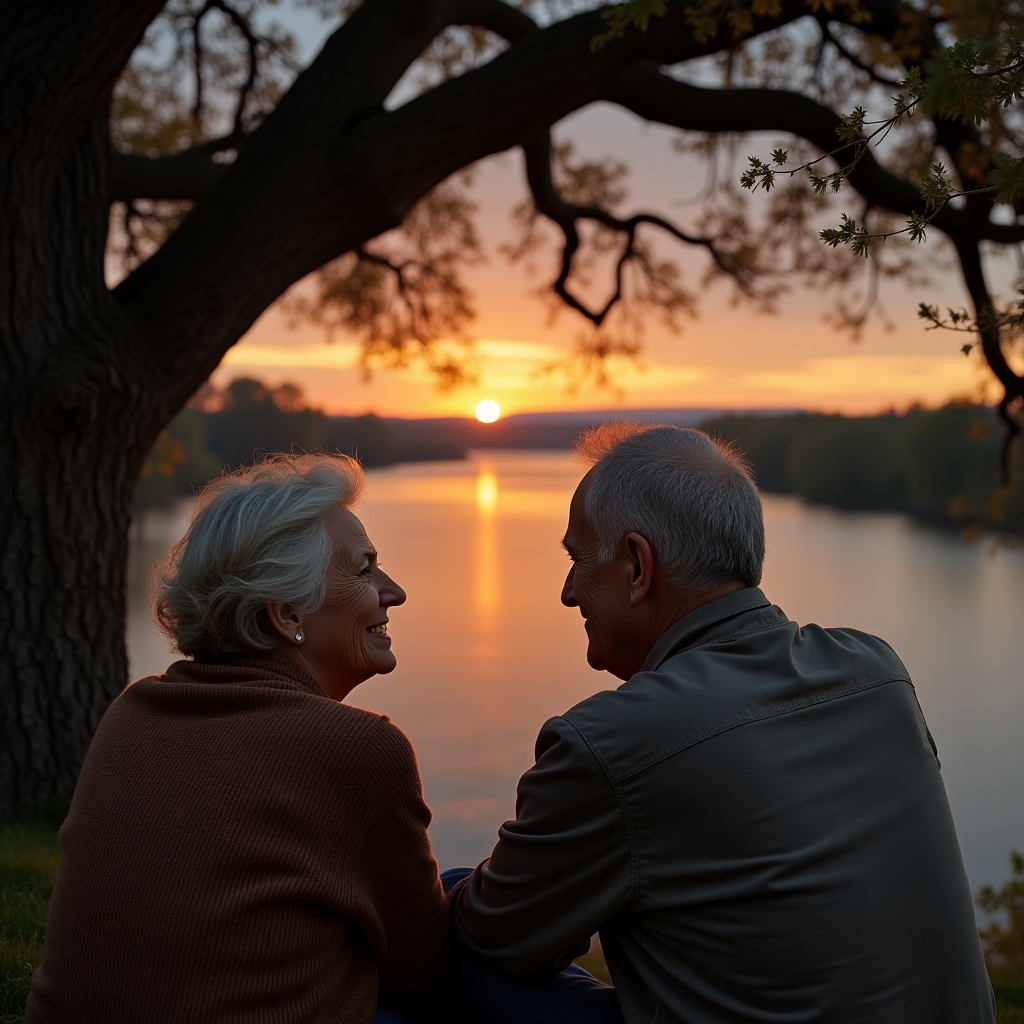
It was during a quiet evening, as the sun dipped below the horizon casting a golden hue over her room, that Anaya found herself beneath the old banyan tree once more, albeit in her mind. She envisioned her grandmother’s kind, knowing smile and heard her gentle voice weaving tales that spoke not only of duty but of courage.
In that stillness, a realization dawned upon her, as profound as the roots of the tree itself. Anaya understood that the strength of her heritage was not merely in the preservation of its past but in its ability to evolve — to embrace new narratives while honoring the essence of its origins.
She felt a wave of clarity wash over her, a calm resolve settling into her bones. With newfound determination, Anaya returned to her desk and began typing. She wrote about the fusion of tradition and modernity, about finding one’s voice amidst the cacophony of expectation — the narrative she had feared to share but now needed to tell.
The personal statement transformed from a formidable task into a testament of her truth, her way of honoring her family by being true to herself.
In the weeks that followed, Anaya received the news of her fellowship acceptance. When she shared it with her family, their initial surprise gave way to pride, and she realized that they, too, were embarking on a journey of understanding and acceptance.
As her parents embraced her, she felt a sense of generational healing — a subtle bridging of past and present, tradition and innovation, duty and passion. And beneath it all, a quiet assurance that she was exactly where she was meant to be.