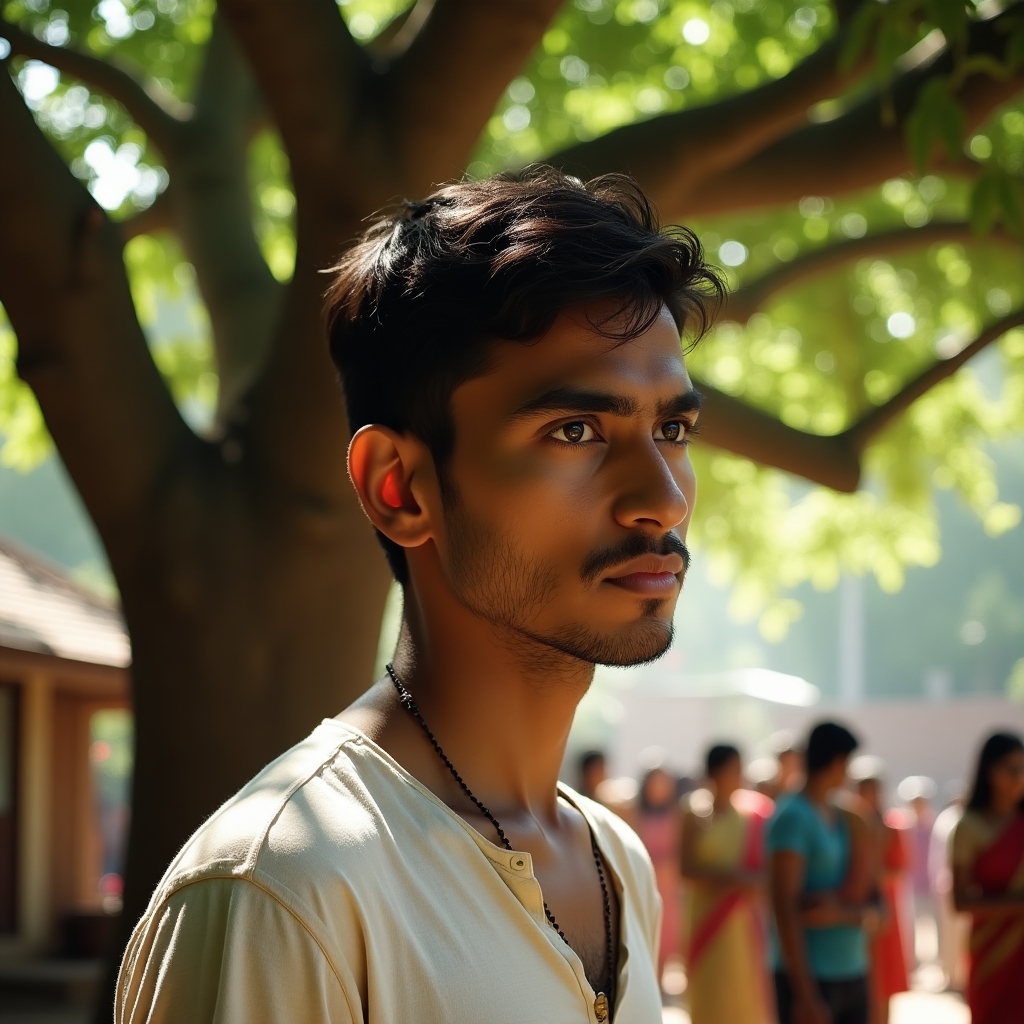
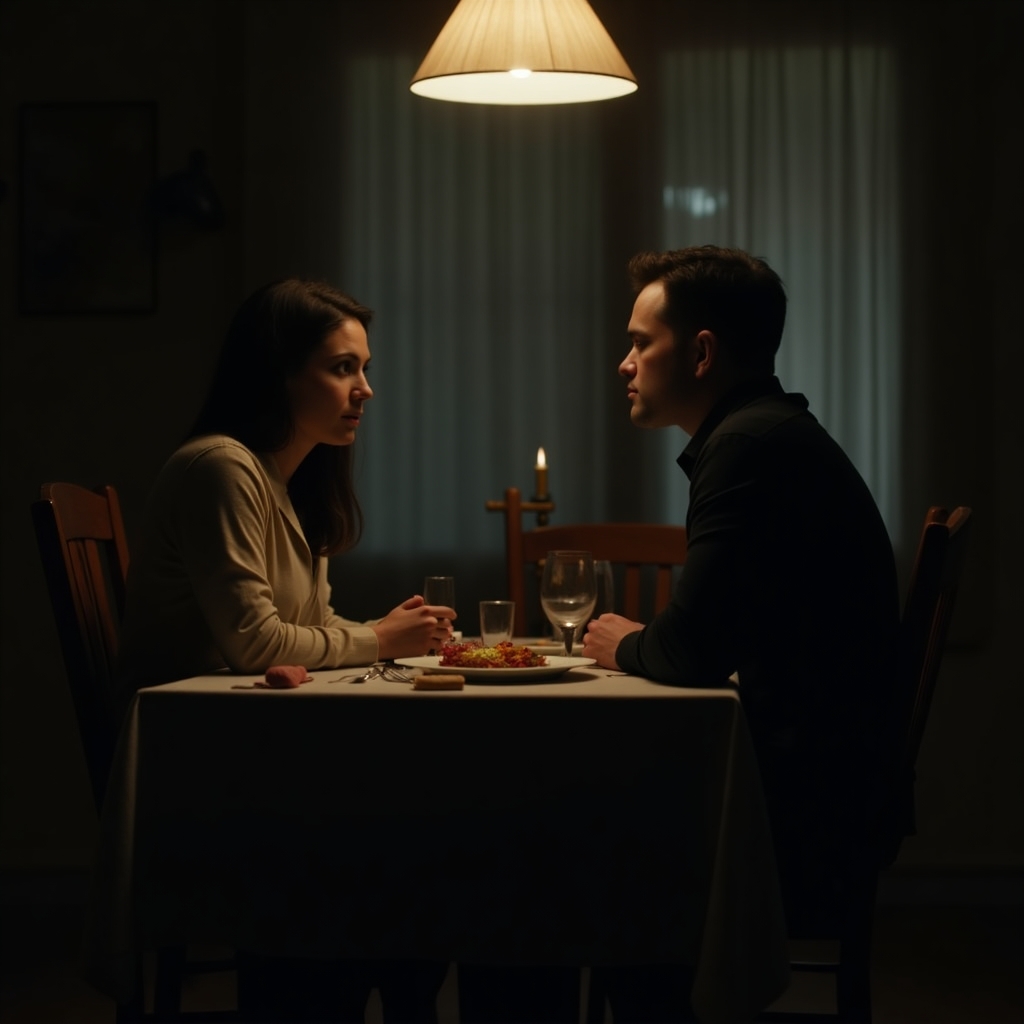




In the quiet coastal town of Briar’s Cove, where the salty breeze carried whispers of the ocean and the streets were lined with quaint, pastel-colored cottages, Elara Nguyen found herself at a crossroads. The town, with its idyllic charm, was the home she had known all her life; it was intertwined with memories of childhood laughter and familial warmth. Yet, it was also a place heavy with expectations—a web spun by generations, each thread a silent command wrapped around her conscience.
Elara was twenty-four, standing on the brink of her own life, yet still tethered to the expectations of her Vietnamese-American heritage. Her parents, who had moved to the United States before she was born, had worked tirelessly to provide her with opportunities they never had. The weight of their sacrifices sat heavily on Elara’s shoulders, manifesting in long, sleepless nights and a constant gnawing at her sense of self.
The Nguyen family was close-knit. The family dinners were punctuated by laughter, stories of the old country, and an unspoken understanding that family came before everything else. Elara loved these gatherings but felt suffocated by them too. Her father, a stoic man with calloused hands and a soft heart, often spoke of the importance of hard work and unity. Her mother, gentle and nurturing, had dreams of Elara becoming a doctor or an engineer—professions that commanded respect and stability.
But Elara’s soul danced to a different tune. She had always been drawn to the arts, finding solace in painting and writing, crafting worlds where emotions spilled onto the canvas and into prose like colors in a sunset. Yet, pursuing a career in art seemed like a betrayal—a rejection of everything her parents had built.
The dichotomy of her desires versus her family’s expectations weighed on her, creating a silent tension that followed Elara like a shadow. Every time she picked up a paintbrush, she felt a pang of guilt, as if she were stealing precious time from the future they had envisioned for her.
It was during one such moment of quiet struggle, as she sat in her small attic studio, surrounded by unfinished canvases, that Elara’s phone buzzed with a message from her cousin, Mai. Mai had recently moved to New York City to pursue a career in fashion, much to the chagrin of her conservative parents. Yet, in her messages, there was a lightness and joy that Elara envied.
“The city is amazing, Elara,” Mai wrote. “I feel alive here, like I’m finally breathing on my own. You should visit.”
The invitation lingered in Elara’s mind like a siren’s call. To feel alive—wasn’t that what she wanted too? Yet, the idea of leaving everything behind felt like a betrayal, a risk she wasn’t sure she was brave enough to take.
In the days that followed, Elara’s internal conflict bubbled beneath the surface, hidden by smiles and the veneer of normalcy. Her parents had begun hinting at meetings with family friends whose sons were “well-established”—a thinly veiled attempt to nudge her towards a future they deemed appropriate.
It was a regular Wednesday evening when the moment of clarity came, as simple and profound as the tide rolling in. She was helping her father in the garden, a ritual that had always been a bonding time for them. As the sun dipped below the horizon, painting the sky in hues of deep orange and violet, her father spoke, his voice soft yet burdened with the weight of his dreams for her.
“You know, Elara,” he said, pausing to admire the roses they had planted together, “life is like a garden. It takes time and care, and sometimes you have to sacrifice what you love to ensure the whole is beautiful.”
His words, intended to be wise and guiding, stirred something within Elara. She realized then that her father’s idea of beauty was shaped by his own sacrifices, his own garden where dreams were pruned for practicality.
In that moment, she saw the parallel paths before her. One was paved with certainty and familial approval, lined with roses tended by generations—a path of safety. The other was untamed, wild with possibilities, where her own dreams could take root and flourish.
The realization was both terrifying and liberating. To deny her true self was to deny the garden within her soul, a place vibrant with colors and stories yet untold. She turned to her father, her voice trembling with newfound resolve.
“I love you, and I’m grateful for everything you’ve done for me,” she began, her words slow and deliberate. “But my garden is different. I want to cultivate it my own way.”
Her father looked at her, his eyes reflecting surprise and a flicker of understanding. “Your garden, huh?” he mused. “Well, then, you better make it bloom beautifully.”
In that simple exchange, the tension that had coiled around Elara like a vine loosened. It was the beginning of a new chapter, one where she could honor both her family and her own truth.
Elara did visit Mai in New York that summer, her heart open to the world and all its colors. It was the first step towards a life where familial love and personal dreams could coexist, where the silence of unspoken expectations was replaced by the gentle hum of acceptance.
In Briar’s Cove, the story of the Nguyens continued, woven with threads of tradition and the vibrant hues of Elara’s emerging art. And somewhere between the whispers of the sea and the rustle of the garden, a new harmony took root, born from the courage to listen and the strength to speak.