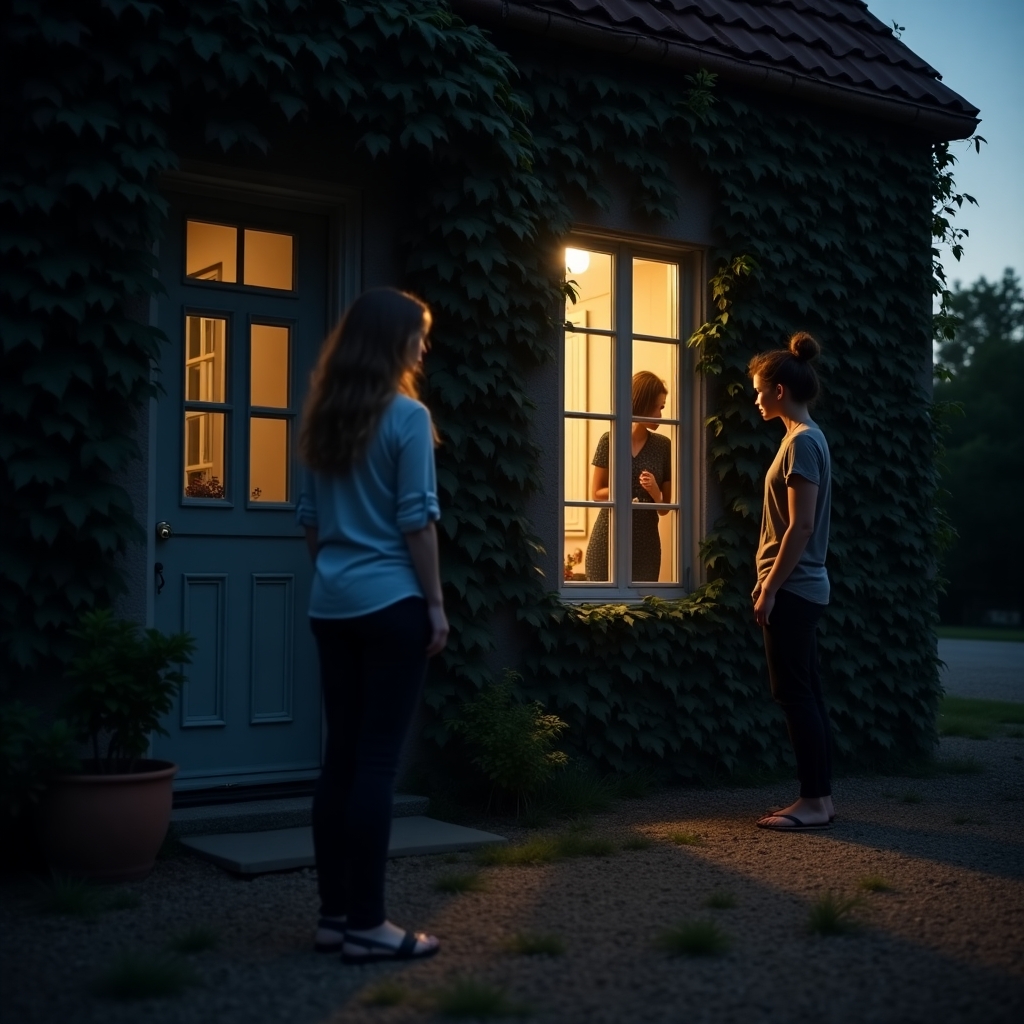
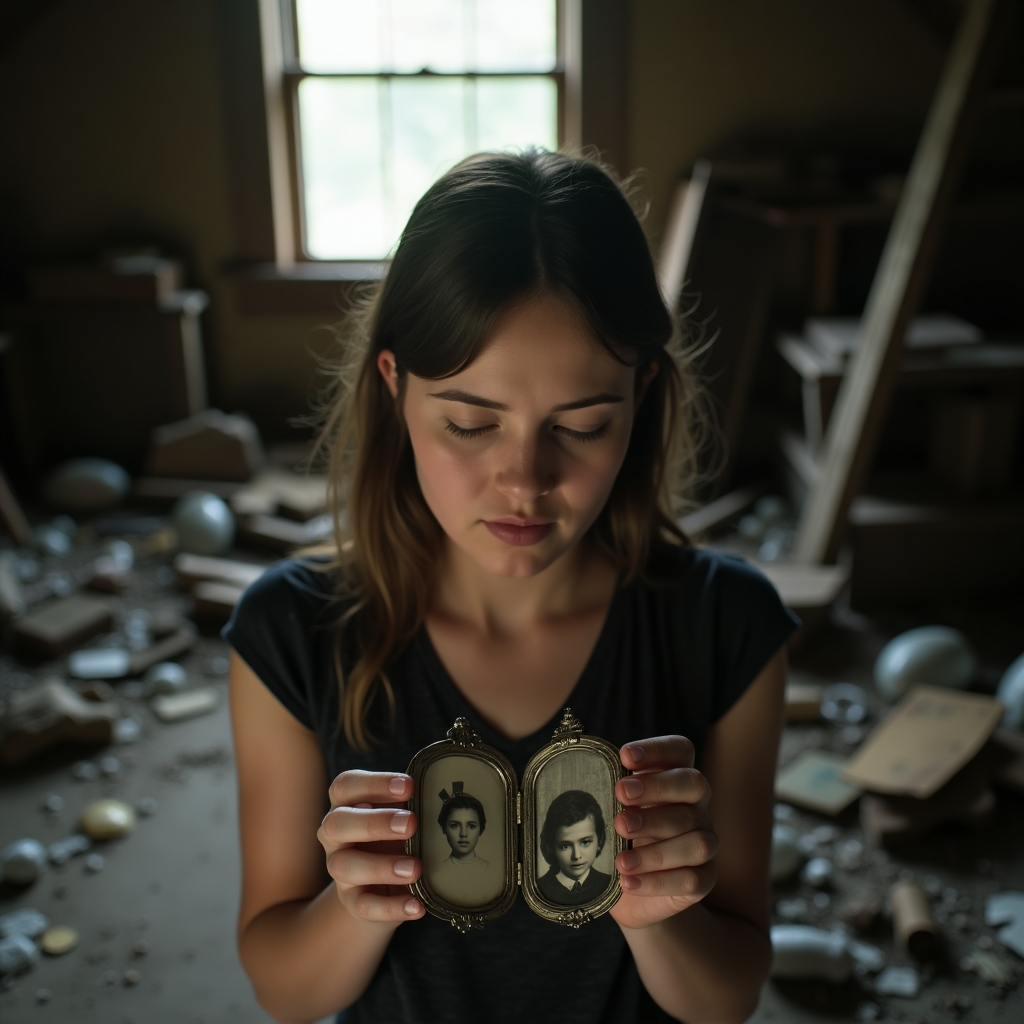



Under the dull grey sky of an early autumn morning, Aisha sat on the small wooden bench in her neighborhood park, clutching a steaming cup of coffee she had barely touched. Around her, the leaves swayed gently in the breeze, murmuring secrets to one another, the way her family would, speaking in hushed tones about things left unsaid. Aisha shivered, feeling the chill not just in the air, but in the whispers of her mind, echoing the tension that had become a constant companion.
Born to a family that valued tradition as the very backbone of their existence, Aisha’s role had always been clear—or so she had been told. The path laid out for her was narrow but familiar: finish her studies, join the family business, and marry a respectable man from their community. And yet, sitting there, watching the world paint its autumn colors, Aisha felt caught at a crossroads that demanded more from her than silent compliance.
She thought of her parents’ voices, earthy and resonant, guiding but also binding. Her mother, who had spent years working tirelessly in the family’s textile business, often spoke of duty and pride, of continuing the lineage with dignity. Her father was a quieter force, his expectations wrapped in silent stares and small nods that spoke volumes.
Aisha loved her family deeply and appreciated their dedication to tradition, but within her chest, she nursed dreams that stretched beyond the boundaries prescribed to her. She wanted to explore the world through art, to express stories on canvases that were yet to be painted. Her dual life—one of familial devotion and another of secret desires—left her feeling fragmented, as if she were living in an echo chamber of expectations and yearnings.
As the days turned into weeks, the quiet struggle within her deepened. She attended family dinners, smiling and nodding in agreement, even as her heart ached to speak of colors and canvases instead of quarterly business reports. In her solitude, she painted and sketched, pouring her emotions onto paper in a way she couldn’t express aloud.
It wasn’t until a seemingly innocuous conversation with her younger cousin, Zara, that Aisha found the clarity she so desperately needed. Zara, barely fifteen but already wise beyond her years, had visited for the weekend. They sat together in Aisha’s room, surrounded by the warmth of shared memories and laughter. Zara, with the innocence of youth, asked, “Aisha, what makes you truly happy?”
The question, simple yet piercing, lingered in the air between them. Aisha paused, taken aback by the directness of it. “I suppose…” she started, then paused again, searching. “I suppose painting makes me feel alive.”
Zara’s eyes lit up with admiration. “Then you should paint! The world needs your colors, Aisha.”
Her cousin’s earnest, unfiltered enthusiasm was like a breeze cutting through the fog of uncertainty that had enveloped Aisha for so long. It was in this moment, with Zara’s innocent conviction lighting up the room, that Aisha realized her truth. The emotional clarity hit her like a gentle wave, washing over the doubt and fear.
She understood then that her path did not have to be in direct opposition to her family’s expectations. With love and communication, she hoped to carve a new pathway that honored both her familial roots and her personal dreams.
That evening, as the sun dipped below the horizon, Aisha sat with her parents. The quiet of the living room settled around them, punctuated by the rhythmic ticking of the old grandfather clock. Aisha steadied her breath, the surge of emotional clarity still fresh and empowering.
“I want to talk about my future,” she began, voice steady but gentle, her heart thudding with a mixture of anxiety and hope.
Her parents glanced at each other, then back at her, a silent understanding passing between them. Her mother nodded. “We are listening, Aisha.”
With courage woven from love and newfound understanding, Aisha spoke of her desire to pursue art, to find a way to weave her dreams with the tapestry of her family’s legacy. It was a moment of vulnerability, but also of strength—a recognition that honesty could be the bridge between generations.
As the conversation unfolded, she felt the weight of years lift gradually, replaced by a quiet hum of possibility. Her parents, initially silent, began to ask questions, their curiosity opened by the sincerity in Aisha’s words. The evening stretched into night, and in the soft glow of the lamps, a new understanding began to bloom.
Aisha knew the journey ahead would not be without its challenges, but she felt prepared, anchored by the support of her family and her own resolved heart.
In the days that followed, the quiet park bench became a place of solace once more. This time, however, Aisha sat there not with the weight of indecision, but with a sketchbook open and colors at play, her heart set free by the promise of new beginnings.