

Her mother-in-law threw out Grandpa’s “ugly” painting while she was at work… But the appraiser’s phone call made Barbara choke on her coffee
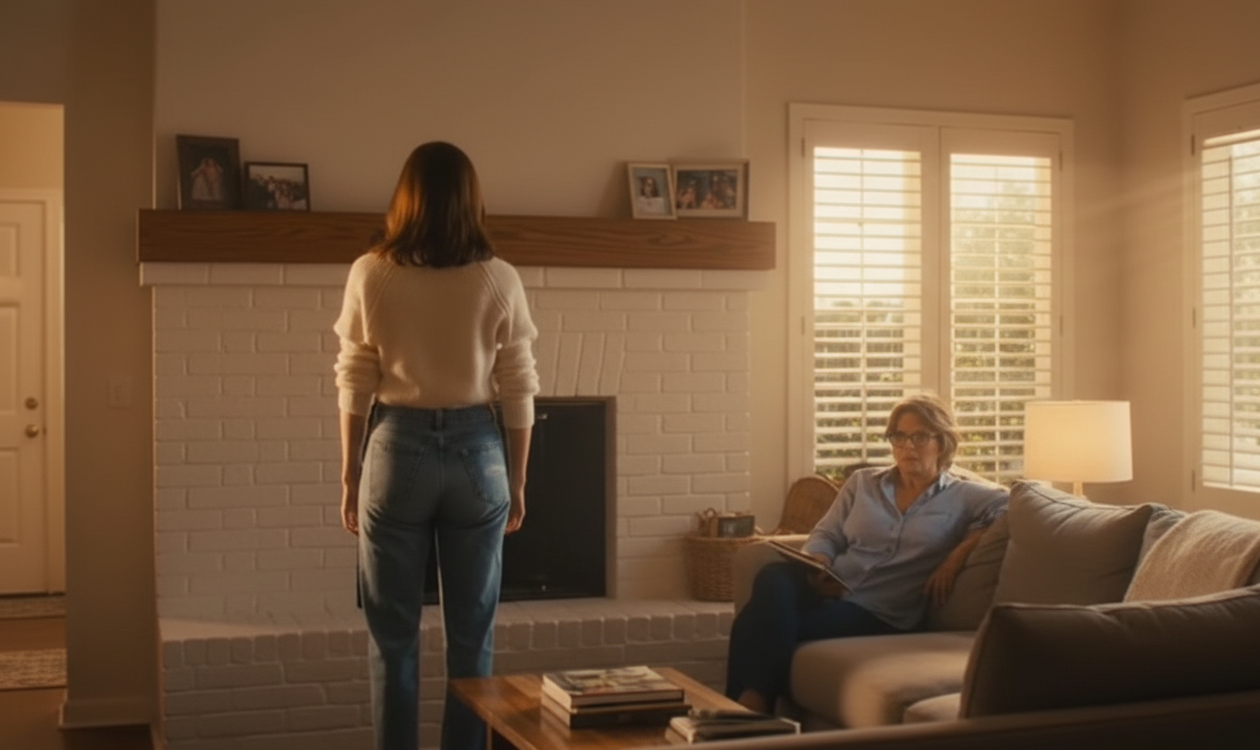
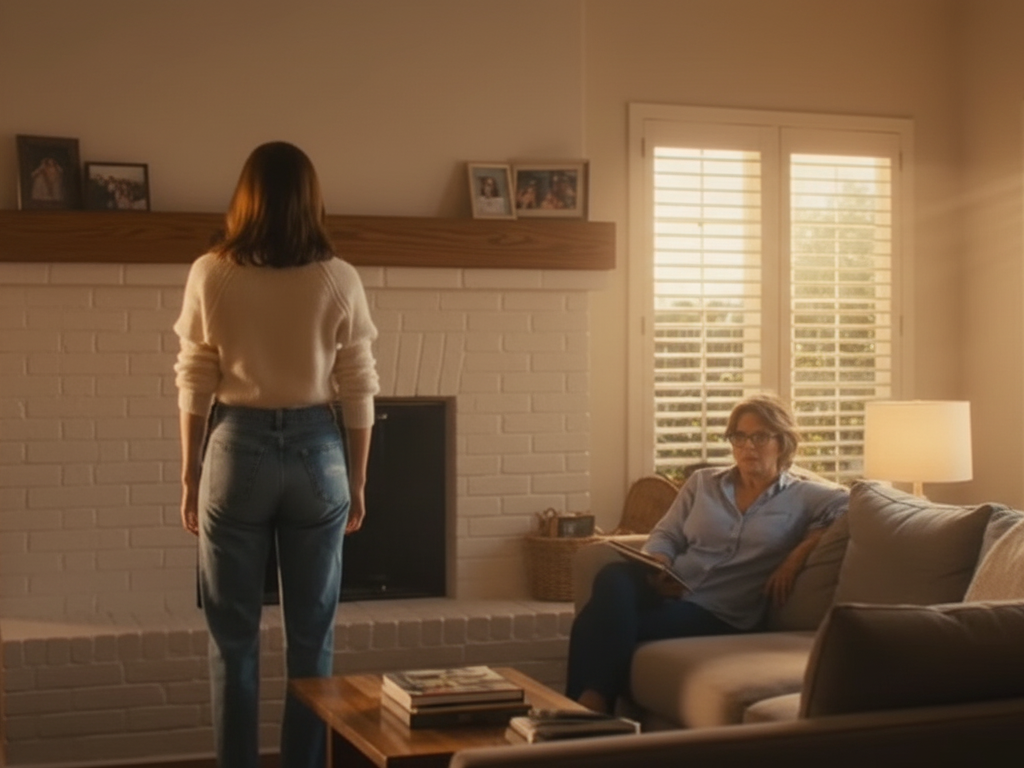
Emma stared at the empty wall above the fireplace.
“Where’s Grandpa’s painting?”
Barbara didn’t look up from her iPad. “That old thing? Hauled it to the curb this morning. Trash pickup was at nine.”
“You did what?”
“Emma, honey, it was an eyesore. Cracked frame, faded colors. Totally clashed with the new sectional.” Barbara scrolled through Pinterest. “We can hit Target this weekend. Get something that actually matches.”
Emma’s throat tightened. “That was mine. Grandpa gave it to me before he passed.”
“It was junk taking up space in my son’s house.”
Emma grabbed her purse.
“Where are you going?”
“To get it back.”
Barbara laughed. “Sweetie, the truck came two hours ago. It’s at the landfill by now. Just let it go.”
Emma called County Waste Management from her driveway. Thirty minutes on hold. Finally, a dispatcher told her which facility handled their subdivision.
She drove to the East County landfill in afternoon traffic. Paid the gate attendant twenty bucks. A worker in a neon vest pointed toward a hill of black garbage bags.
“Tuesday residential is that section. You got gloves?”
Emma didn’t. She used her jacket sleeves. Ripped open bags. Rotting food. Dirty diapers. Someone’s moldy bathroom tile. Her sneakers stuck to something she didn’t want to identify.
Three hours later, she found it wedged between a broken microwave and lawn clippings. The frame had a fresh crack down the side. A scratch cut across the bottom of the canvas. But it was there.
She sat in her Honda, crying, holding it against her chest.
At home, Barbara was unloading the dishwasher. “Oh my God, you actually went to the dump? Emma, that’s mortifying.”
“Move.”
“Excuse me?”
Emma walked past her. Rehung the painting above the fireplace. Barbara followed, arms crossed.
“You’re being dramatic. It’s literally garbage.”
“Maybe I should get it checked out.”
Barbara scoffed. “Waste of money. But fine, knock yourself out. Prove me right.”
Emma googled art appraisers in Dallas. Found a woman with solid reviews. She arrived the next afternoon in a blazer, carrying a professional camera case.
She studied the painting for fifteen minutes without saying anything. Then she pulled out a jeweler’s loupe.
“Where did this come from?”
“My grandfather. He bought it at an estate sale in Austin back in ’78.”
The appraiser’s face stayed neutral. “I need to make a call.”
She stepped onto the porch. Through the window, Emma watched her pace, phone pressed to her ear, gesturing.
Barbara wandered in from the den. “What’s going on?”
“She’s calling someone.”
“Probably to confirm it’s worthless.” Barbara poured coffee. “Told you.”
The appraiser returned with a man in his sixties wearing a museum badge on a lanyard.
“This is Dr. Mitchell Greene from the Meadows Museum. He specializes in American realist painters.”
Dr. Greene went straight to the painting. Used a UV flashlight. Examined the signature in the corner. Took detailed photos. Checked something on his tablet.
Emma’s hands went cold. “Is there a problem?”
He turned around slowly. “This is an authenticated early work by Winslow Homer. Circa 1866, pre-Cullercoats period. It appeared in a 1924 gallery catalog, then vanished after a warehouse fire in Chicago. We assumed it was destroyed.”
Barbara’s coffee cup froze halfway to her mouth.
“That can’t be right,” Barbara said. “It’s just some beat-up old painting.”
Dr. Greene pulled up his tablet. Showed them Christie’s auction results. “A comparable Homer from this era sold for nineteen million in 2021. Given this piece’s provenance and the fact it was presumed lost, conservative estimate is sixteen to twenty-two million. Could go higher.”
Nobody breathed.
Emma sat down hard on the couch.
Barbara’s face drained of color. “I didn’t… it looked like…”
“You threw it in the trash,” Emma said.
“I didn’t know—”
“You didn’t care enough to ask.”
Dr. Greene cleared his throat. “Ms. Emma, the museum would very much like to discuss acquisition. If you’re interested in selling, of course.”
Barbara opened her mouth. Emma cut her off.
“Yes. I’m interested.”
Negotiations took four weeks. The museum board approved $17.8 million. Emma’s lawyer reviewed the contract. She signed on a Wednesday.
The wire transfer cleared Friday morning.
She called a real estate agent that afternoon. By Tuesday, she’d made an offer on a townhouse in Uptown. Two bedrooms. Rooftop terrace. A neighborhood where Barbara had never set foot.
She started packing Wednesday night.
Barbara found her in the guest room, loading books into boxes.
“Emma, we need to talk.”
“There’s nothing to talk about.”
“You can’t just move out. What will the neighbors think?”
“I don’t give a damn what the neighbors think.”
Barbara’s voice wavered. “I made a mistake. I said I’m sorry.”
Emma looked at her directly. “You threw away the last thing I had from Grandpa. Called it junk. Told me to let it go.”
“I didn’t know what it was—”
“You didn’t respect that it mattered to me.” Emma sealed the box with packing tape. “That’s the problem.”
“Where are you going?”
“I bought a townhouse. Closed yesterday.”
Barbara’s eyes went wide. “You bought—with the painting money?”
“With my money. From my painting. Yes.”
“That money belongs to this family—”
Emma laughed. It came out bitter. “You literally threw it in the garbage, Barbara. You decided it was trash. So no. It doesn’t belong to you.”
She picked up the box. Walked past Barbara to the hallway.
“Your son can call me when he gets back from Seattle. We’ll figure out the divorce paperwork.”
Barbara stood there, mouth open, speechless.
Emma loaded the last box Sunday morning. The townhouse was empty but the light was perfect. She hung Grandpa’s photo—the painting itself was at the museum—on the bedroom wall.
Her phone buzzed. Text from Barbara: Please. Can we talk about this?
Emma blocked the number.
She opened the balcony door. Traffic noise from McKinney Avenue drifted up. A food truck’s music. Someone’s dog barking. The sound of a city that didn’t know her history, didn’t care what she hung on her walls, didn’t judge her choices.
The “junk” had paid for her freedom.
She made coffee and smiled at the skyline.